










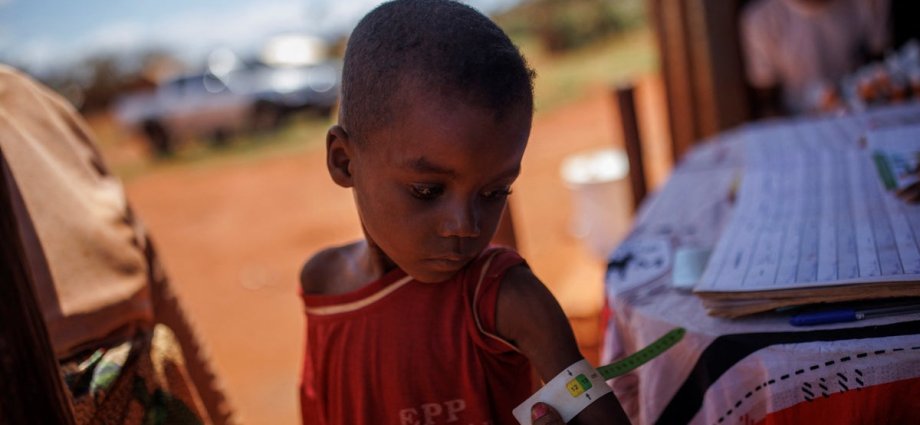
Children who grow up in extreme heat are less likely to reach major developmental milestones for reading and numeracy, a new study has found.
The research, from New York University, shows that global warming can harm human development from the earliest stages and that it does not only impact physical health.
The study found that children who were exposed to average temperatures of more than 30 degrees were between 5 and nearly 7 per cent less likely to meet developmental milestones compared to children exposed to temperatures lower than 30 degrees.
These results were most pronounced among children from economically disadvantaged households, those without access to clean water, and those from urban areas.
Jorge Cuartas, assistant professor of applied psychology at NYU Steinhardt and lead author of the study, said the research provides key new insights into the negative impact of excessive heat on children’s development worldwide.
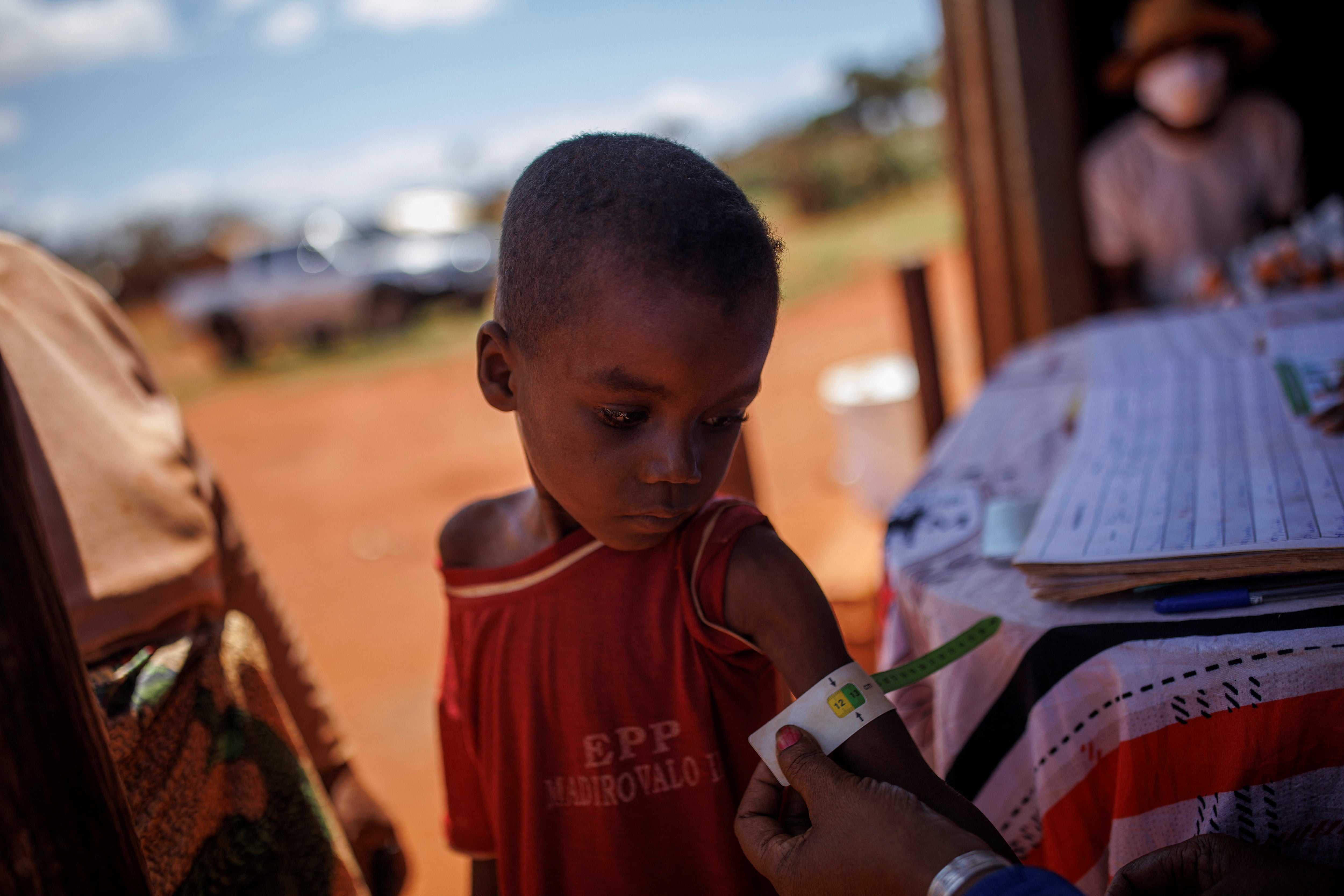
Researchers examined data from more than 19,600 3- and 4-year-olds in Georgia in Europe, Palestine in the Middle East, and Gambia, Madagascar, Malawi and Sierra Leone in Africa.
They assessed each child’s development based on the Early Childhood Development Index, which measures development in reading, writing, maths, socio-emotional skills, physical development, and approaches to learning.
These were analysed alongside population information and other markers of wellbeing such as education, health, nutrition, and sanitation which could affect findings.
“While heat exposure has been linked to negative physical and mental health outcomes across the life course, this study provides a new insight that excessive heat negatively impacts young children’s development across diverse countries,” said Prof Cuartas.
“Because early development lays the foundation for lifelong learning, physical and mental health, and overall wellbeing, these findings should alert researchers, policymakers, and practitioners to the urgent need to protect children’s development in a warming world,” he added.
“We urgently need more research to identify the mechanisms that explain these effects and the factors that either protect children or heighten their vulnerability. Such work will help pinpoint concrete targets for policies and interventions that strengthen preparedness, adaptation, and resilience as climate change intensifies.”
According to Save the Children, 766 million children – or one third of the child population – were exposed to extreme heatwaves in the year to June 2024. One in five children – or 466 million – currently live in areas which experience at least double the number of extremely hot days every year compared to the 1960s.