










Archaeologists have uncovered the secrets of a “vast” 3,500-year-old settlement in Kazakhstan thought to have been an early form of a city.
Described as “one of the most remarkable discoveries” in the region for decades, the 140-hectare Semiyarka site was first unearthed by researchers at Toraighyrov University in the early 2000s.
Nicknamed the “City of Seven Ravines” for its position above a network of seven valleys, the historic site on the Irtysh River in the Kazakh Steppe remained largely untouched until this recent study, published in the journal Antiquity.
Experts now say they believe the site was a “thriving” fledgling city that peaked around 1600BC.
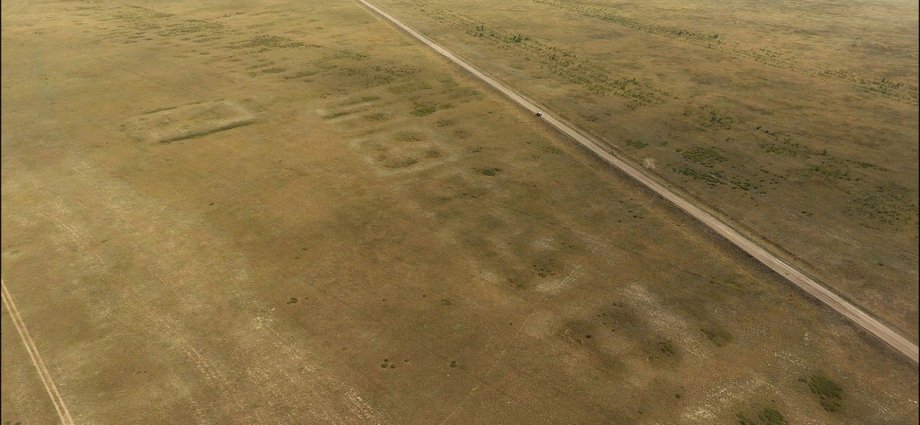
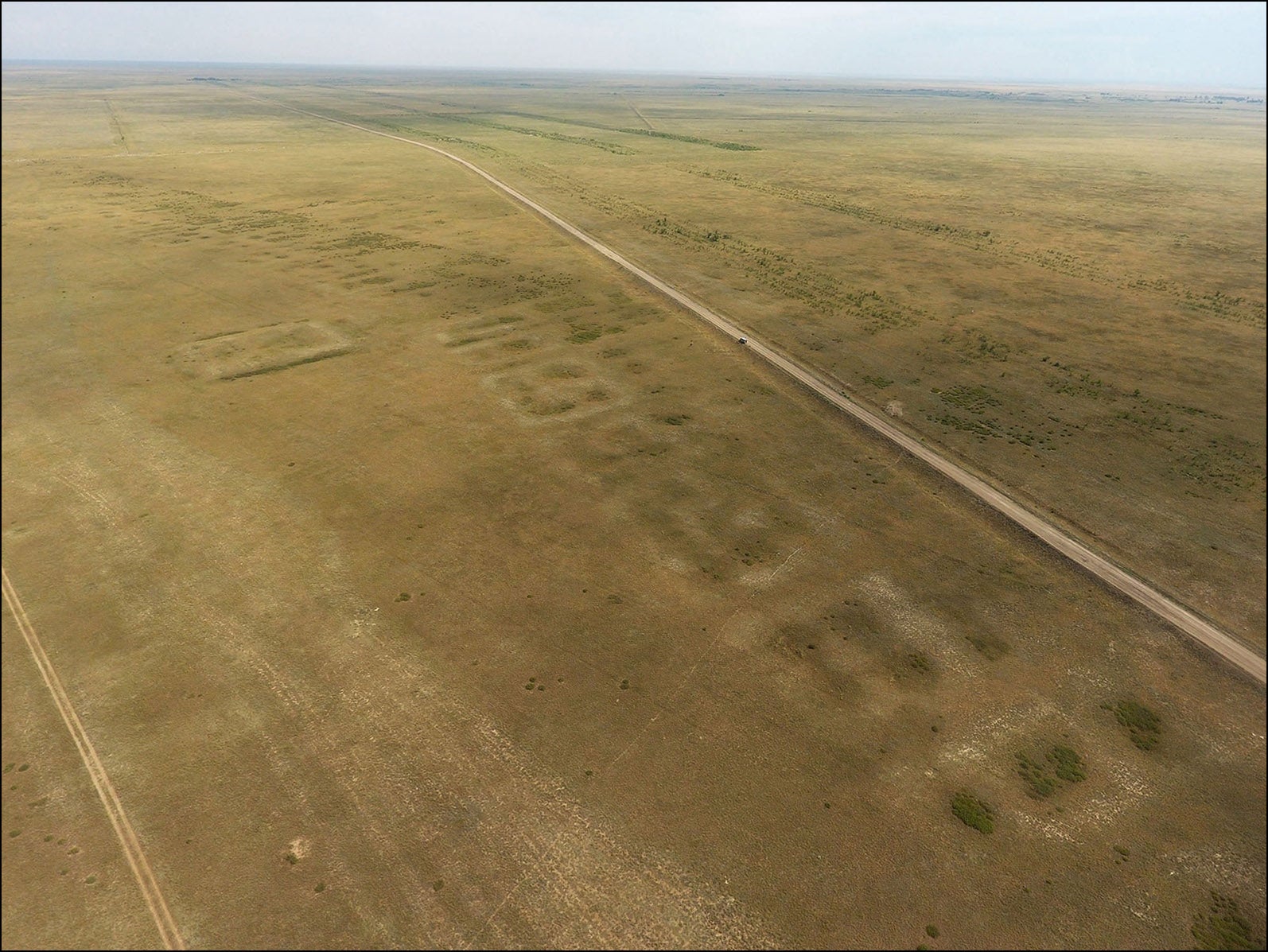
Surveys at the site uncovered two rectangular “mounds” believed to be the foundations for Bronze Age homes. The exposed foundations revealed the layout of the houses – each of which had multiple rooms, dispelling previous narratives that steppe people only lived in scattered camps and small villages.
--Red-boxes-indicate-geop.jpeg)
Archaeologists also found a central monumental building, which they said could have been used for governance or rituals.
Historians previously believed Bronze Age people in the region lived a semi-nomadic lifestyle, living in mobile camps or small villages. But experts said the findings “transforms” our understanding of steppe societies.
They added its “strategic” location on the Irtysh River valley and near to major copper and tin deposits in the Altai Mountains suggests Semiyarka was not only a production hub but also a centre of trade and regional power.
Dr Miljana Radivojević of the UCL Institute of Archaeology said: “It demonstrates that mobile communities were capable of building and sustaining permanent, well-organised settlements centred on large-scale metallurgical production — including the elusive manufacture of tin bronze, a cornerstone of Eurasia’s Bronze Age economy that has long remained absent from the archaeological record.”
Their findings also revealed how Semiyarka was likely a major centre for tin bronze production in the region – an unusual discovery in the Eurasian Steppe. Work in the city’s southeastern unearthed evidence of an “industrial zone” dedicated to the making of tin bronze, the main bronze alloy that defined the Bronze Age.
Excavations revealed crucibles, slag, and tin bronze artefacts in what archaeologists said is proof that steppe metal workers operated complex production systems rather than small-scale workshops.
Their published study uses cutting-edge methods to reconstruct the social and technological landscape of Bronze Age Kazakhstan, giving us a picture of how steppe people lived in this early form of city.
Co-author Professor Dan Lawrence of Durham University said: “The scale and structure of Semiyarka are unlike anything else we’ve seen in the steppe zone.
“The rectilinear compounds and the potentially monumental building show that Bronze Age communities here were developing sophisticated, planned settlements similar to those of their contemporaries in more traditionally ‘urban’ parts of the ancient world.”