










Want to bookmark your favourite articles and stories to read or reference later? Start your Independent Membership today.
Join today
Already a member?
Log in
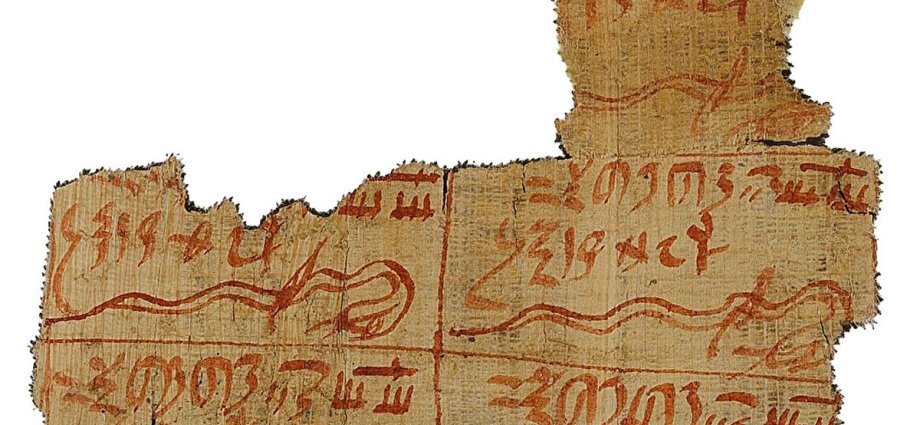
A trove of charred papyrus fragments containing curses found at a temple in the ancient Egyptian city of Thebes has revealed insights into a common ritual practised in the region millennia ago.
Until now, only a single copy of the so-called “Apophis ritual” has been preserved from the late fourth century BC, and there has been little evidence for how often it was performed, by whom, or where.
It was originally designed to curse the great snake, Apophis, who was the main enemy of the sun god Ra, to help the Sun on his journey through the underworld during the night.
Later evidence suggests that the ritual also had many other uses, including cursing the enemies of the pharaoh or any other person targeted by the performer.
Now, archaeologists have discovered 40 charred papyrus fragments in a trash deposit at a temple in the ancient city of Thebes, which were found to be mass-produced texts burned during the Apophis ritual.
“These tiny fragments give us a new indication of how widespread curse rituals were in ancient Egypt,” said Egyptologist Fredrik Hagen from the University of Copenhagen.
“The reason physical remains of this ritual have never been found before is probably also that few people have paid much attention to such rather unglamorous trash dumps,” explained Dr Hagen, an author of the study published in the Journal for Egyptian Language and Antiquity.
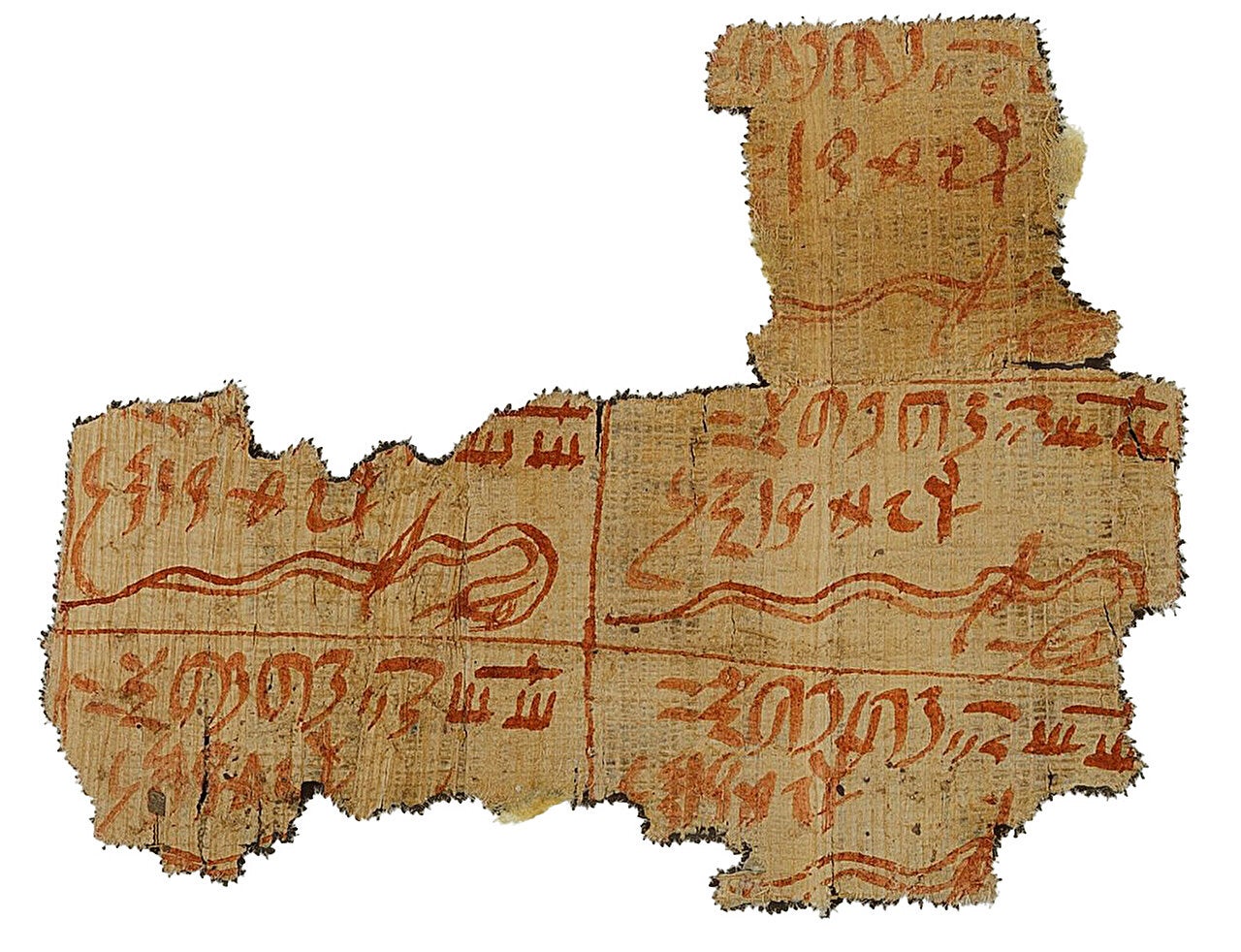
The papyrus fragments were found to be 3,400 years old, pushing back the dating of the ritual by 1,000 years.
“They show that the ritual was much older than the one surviving copy from the fourth century B.C. might suggest. Already 1,000 years earlier, during what we call the New Kingdom, it was an integrated part of Egyptian culture,” Dr Hagen said.
The findings also suggest that literate people, including those who were not priests, had access to magical rituals.
“Our finds confirm that it was a regular part of temple life, but a quick look at references to the ritual in other contexts also shows that it was widely used outside temples, and that it was a common feature of Egyptian culture more broadly,” Dr Hagen said.
“It is clear that people approached scribes for help in performing magic, both for protection and for attacking others. That includes the curse rituals that we can now see were far more widespread than previously thought,” he said.
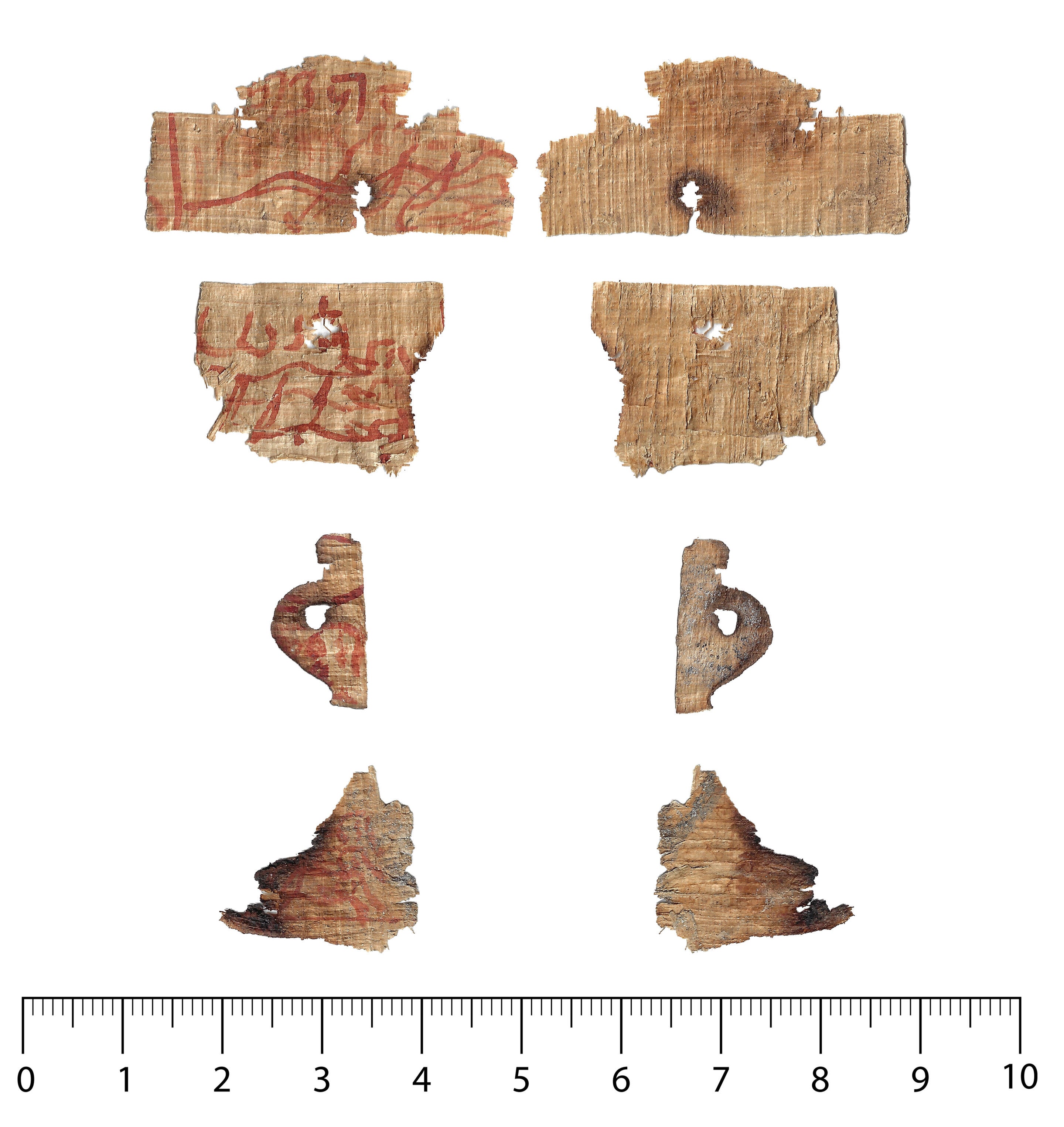
During the curse ritual, drawings are often destroyed as the papyrus gets trampled on, spit on, pierced with a knife and ultimately burned.
The 40 fragments discovered at the Thebes temple show signs of having been pierced and charred, which matches the ritual instructions well, archaeologists say.
“For the ritual to be successful, the materials had to be destroyed by fire, so we are extremely fortunate to have found any of them in a condition that still allows them to be recognised and studied,” Dr Hagen said.
The fragments are only a “small piece of the puzzle” of how ordinary people lived in antiquity in Egypt, researchers say.
“Other papyrus fragments from the same area have turned out to be the remains of the administrative archive of the temple, which enables us to investigate the daily economy and logistics of the offering cult in a temple like this. So there is a lot of new information emerging,” Dr Hagen said.