









Want to bookmark your favourite articles and stories to read or reference later? Start your Independent Membership today.
Join today
Already a member?
Log in
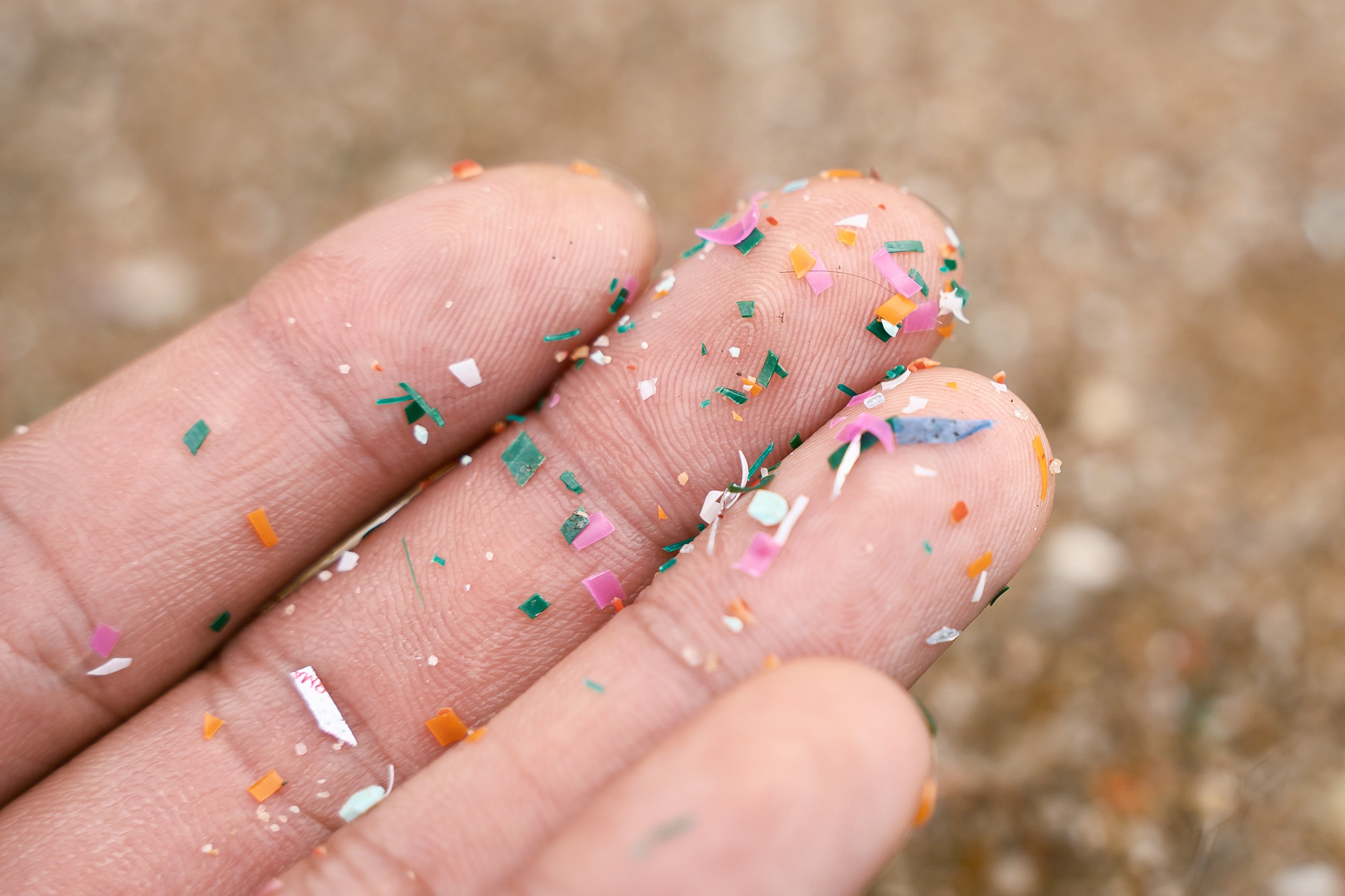
A high-fibre diet could offer unexpected protection against micro and nanoplastics by sweeping them out of the gut, according to new research.
A team of scientists at the South China University of Technology have found in mice that daily roughage traps plastic fragments inside the digestive tracts, preventing the particles from building up and causing internal damage.
The findings, published in the journal Nature Communications, point to a new physiological defence mechanism against everyday pollutants shed by food packaging, disposable bottles, and synthetic consumer goods.
Eddy Y Zeng, an environmental scientist at the university and lead author of the study, said the results highlight how simple dietary habits could help shield internal organs from synthetic waste.
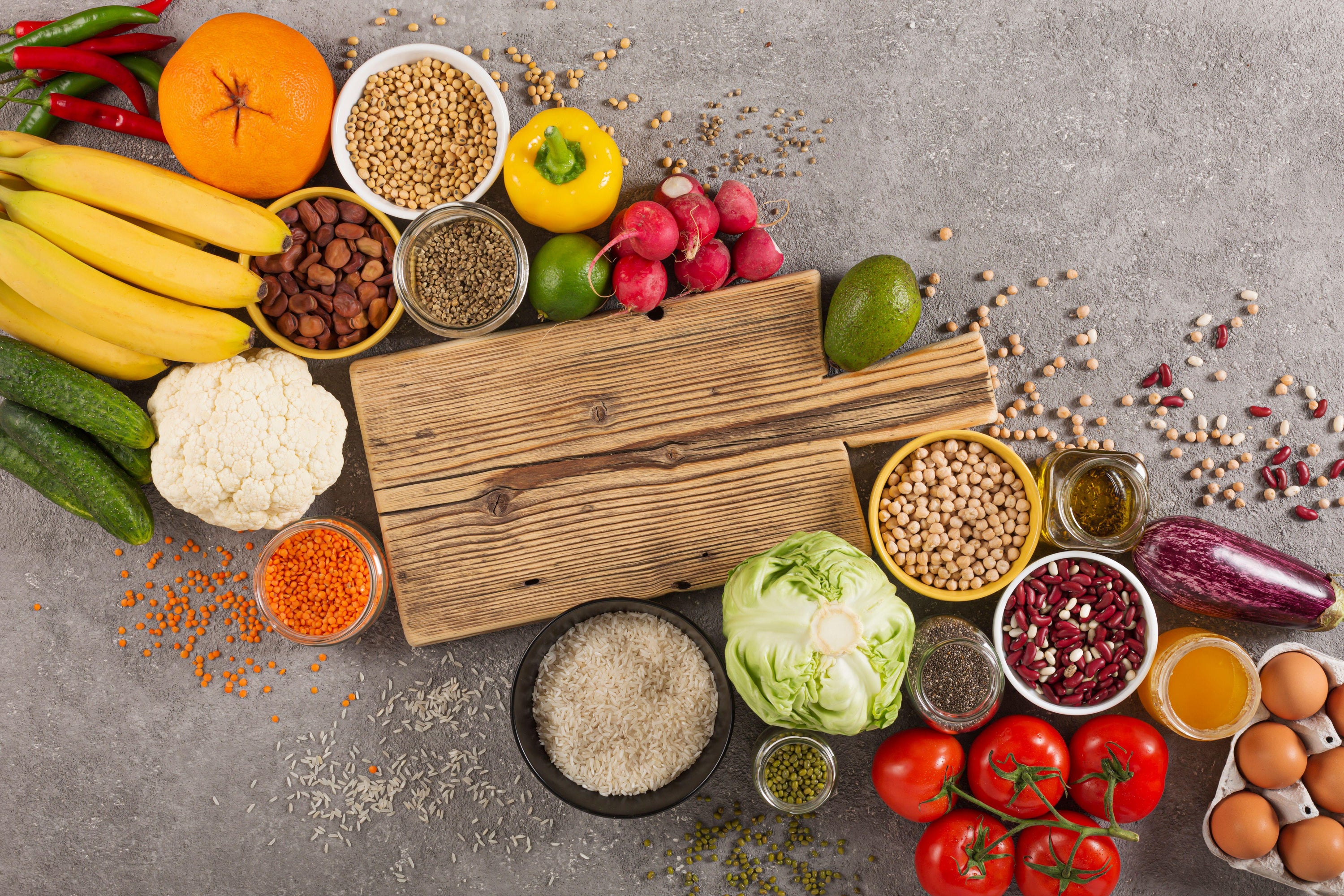
Fibre-rich staples include everyday foods such as beans, lentils, chickpeas, oats, and whole-wheat bread, as well as vegetables like broccoli, peas, and leafy greens.
While NHS guidance recommends adults should consume around 30g of fibre a day, only four in 100 people in the UK meet this target, according to the British Nutrition Foundation.
While fibre is already known for keeping blood sugar steady, lowering cholesterol, and aiding digestion, Dr Zeng said the findings suggest an added bonus.
From disposable coffee cups to food wrappings, microplastics and nanoscale debris now contaminate much of what we eat and drink. Known as “forever chemicals,” their molecular makeup prevents them from breaking down easily in the environment or the human body.
Once swallowed, the particles do not simply pass through – previous research has detected plastic fragments lodged inside human arteries, where they have been linked to severe health conditions, including cardiac arrest.
To see whether food could offer protection, the researchers tested whether the natural mesh-like structure of dietary fibre could trap plastic as it moves through the gut, acting much like a net.
In laboratory trials, mice were split into low, medium, and high-fibre groups before being given small amounts of plastic particles.
Within 24 hours, mice on medium and high-fibre diets cleared significantly more plastic from their bodies than those eating little fibre.
After a week of daily plastic exposure, researchers found signs of gut tissue damage – but only in the low-fibre group.
In separate lab tests, scientists observed fibre strands physically latching onto the plastic particles, helping flush them out naturally through waste.
But the team has cautioned that the findings cannot yet be applied directly to humans.
The mice in the high-fibre group consumed far more roughage than what is recommended for a person’s daily diet, meaning further clinical studies are needed to see if the same clearing effect happens in people.
Even so, researchers maintain eating more fibre remains a “win-win”, noting that adding extra greens, beans, and whole grains to your plate carries proven benefits for overall health regardless of whether it purges plastic.