








Want to bookmark your favourite articles and stories to read or reference later? Start your Independent Membership today.
Join today
Already a member?
Log in
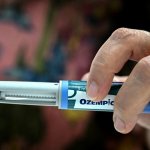
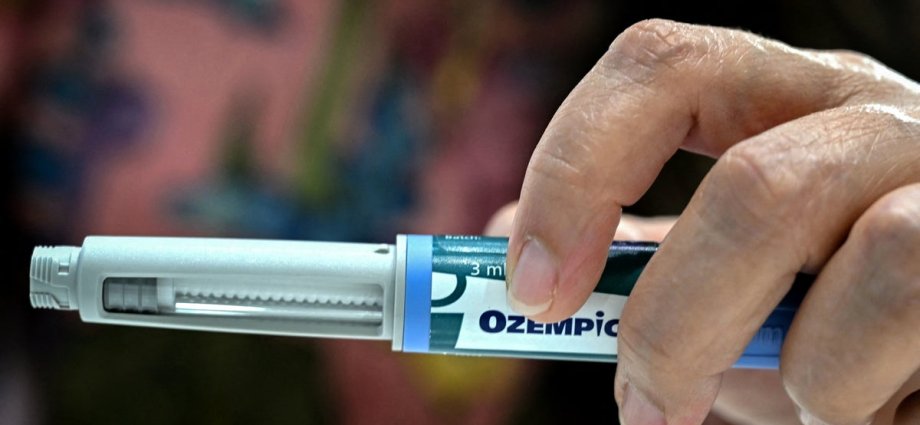
The makers of blockbuster weight-loss drugs such as Ozempic and Zepbound will be required to include warnings about a rare eye condition that can cause permanent vision loss.
Taking any GLP-1 medication carries an increased risk of a rare condition known as “non-arteritic anterior ischemic optic neuropathy,” or “NAION,” the U.S. Food and Drug Administration said Monday.
NAION can result in painless but decreased vision in one eye, caused by reduced blood flow to part of the optic nerve. It’s sometimes referred to as an “eye stroke.”
There is no treatment for the condition, though the first cases were reported at the beginning of the 19th century.
“NAION cases have been reported for all currently marketed GLP-1 RA products,” the FDA said. “FDA concluded that there is a potential increased risk of rare NAION events in patients taking GLP-1 RAs.”

The decision follows a comprehensive review of NAION in patients who were taking the drugs, incorporating reports received through the FDA’s Adverse Event Monitoring System and studies involving more than 134,000 patients.
The FDA analysis found about six cases of NAION per 100,000 people taking GLP-1 drugs every year. This compared with about four cases among those taking a placebo or other diabetes medication.
“Patients with a history of NAION are at increased risk of recurrence,” the FDA noted.
The analysis follows a May review from the American Academy of Ophthalmology that found using semaglutide-based GLP-1s – Ozempic and Wegovy, for example – may be tied to “about a two-fold increase in relative risk of NAION.”
Novo Nordisk, which makes both the drugs, said that patient safety is a top priority and that the company recognizes NAION can have a profound impact on patients and their families.
“Novo continues to believe the data do not establish a cause-and-effect relationship and we remain confident in the benefit-risk profile of our GLP-1 medicines,” Liz Skrbkova who leads U.S. Media and Stakeholder Relations for Novo, told The Independent.
While drugmakers have the ability to challenge FDA safety labeling changes, the government agency determines whether they will be required to add labels.
A spokesperson for Eli Lilly, another weight-loss drug giant, told The Independent that patient safety is the company’s top priority and that the company is evaluating the FDA’s update and would soon respond.
”As always, we will remain in close contact with the agency and continue to review all available data, including any data regarding ophthalmic events,” the spokesperson wrote in an email. “If anyone is experiencing side effects when taking a Lilly medicine, they should talk to their doctor or other healthcare professional.”
Roughly 28 million Americans are taking GLP-1 drugs, according to a July Gallup poll. The drugs have grown in popularity since semaglutide was first approved by the FDA and put on the market in 2017.
Roughly half of patients on GLP-1s stop taking the drugs within the first year, partly due to gastrointestinal side effects, a 2025 study of 125,000 patients published by scientists in Pennsylvania and the Pacific Northwest found.
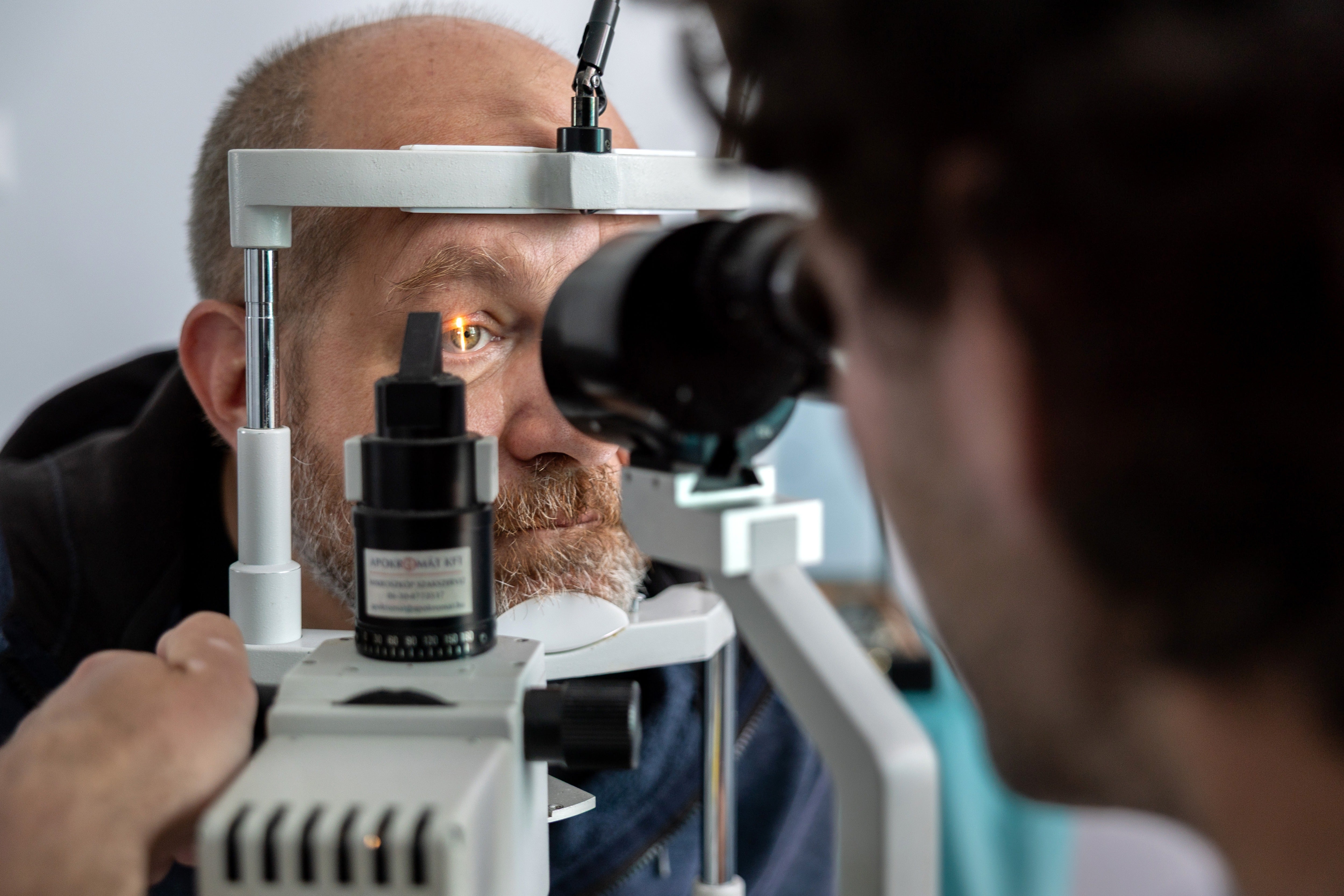
Patients taking GLP-1s should be aware of common symptoms of NAION, the FDA noted, such as blurred or missing portions of visions, distortion of colors, hazy spots and vision loss in one eye upon waking up.
While the underlying cause of NAION is not completely understood, the agency also highlighted other potential risk factors, such as smoking, diabetes, high blood pressure, sleep apnea, anemia and kidney disease.
“Patients should contact their health care professional right away if they have any of these symptoms,” the FDA says.