










Want to bookmark your favourite articles and stories to read or reference later? Start your Independent Membership today.
Join today
Already a member?
Log in
Children killed in the Inca Empire over 500 years ago were given cocaine, corn beer, and poisonous plant substances before they were ritually sacrificed, a new analysis of Incan mummies reveals.
One of the most sacred Incan rituals was the capacocha, during which children and young women were sacrificed as an act of veneration for important deities, with the belief that they would become intermediaries between living people and the divine.
The use of psychoactive plants by the Incas during such rituals is well known, but relatively little is known about the types of substances the victims consumed.
Earlier analyses have focused primarily on coca leaves, but the new study confirms that a wide variety of drugs were used.
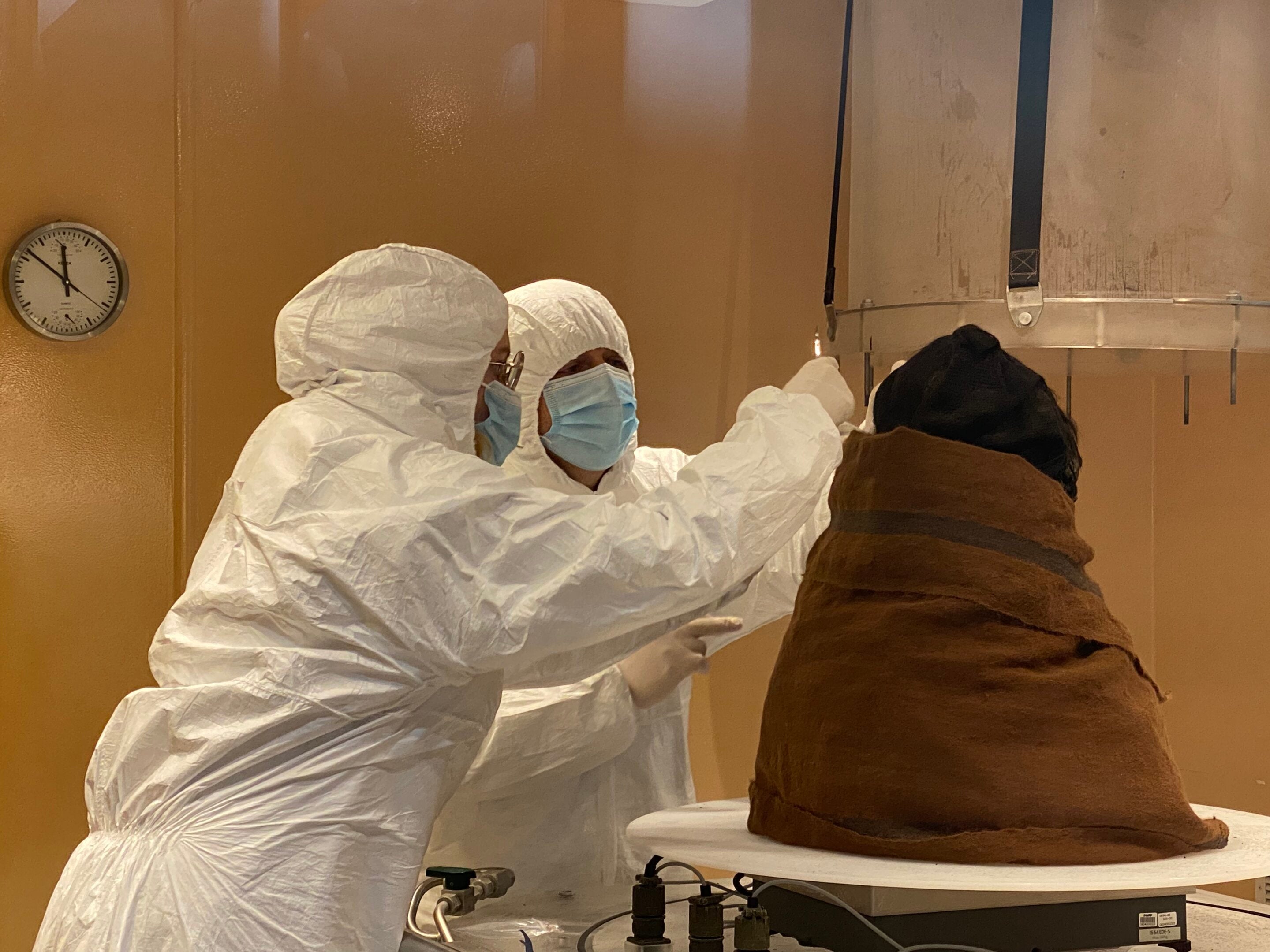
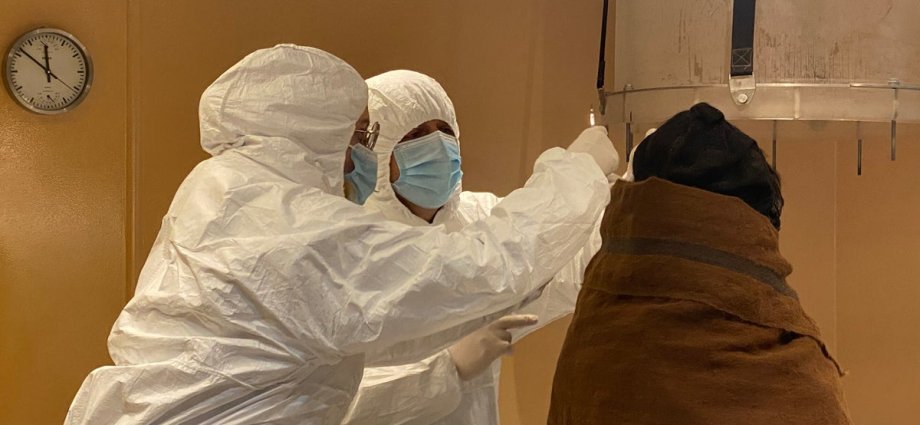
“Our aim was to identify a broader range of psychoactive substances administered to the children and to determine whether patterns in their use could provide new insights into how capacocha ceremonies were conducted at different locations,” said archaeologist Dagmara Socha, an author of the study published in the journal Antiquity.
The findings indicate that there were distinct differences between the substances given to each sacrificed Inca individual.
In the study, scientists analysed hair and nail samples from eight mummies from several mountains in Peru and Argentina, representing a wide range of sacrificial practices across the Inca Empire.
Cocaine was detected in all the mummies analysed in the study, confirming that the individuals all chewed coca leaves.
This is in line with the religious beliefs of the time about cocaine’s role as offerings to the gods, as well as a means to help reduce altitude sickness and fatigue during the children’s long, arduous journeys up the mountains where they were sacrificed.
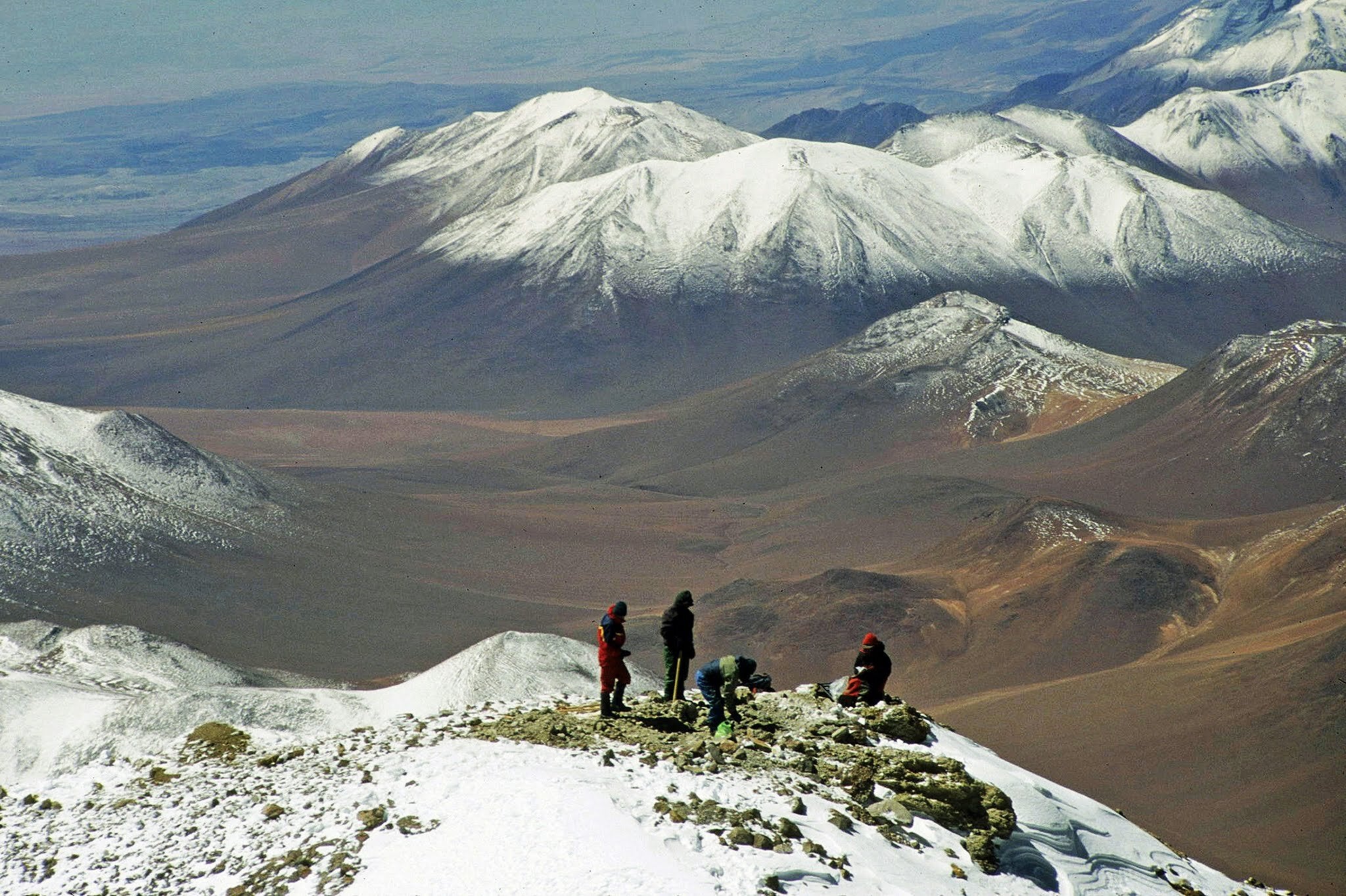
Evidence from four mummies indicated corn beer, or chicha, known from historical records, may have been given to the children to dull their senses and calm them during the final stage of the ritual.
“One of the most intriguing findings concerns the famous Lady of Ampato, also known as Juanita (Inca Ice Maiden), in whom we detected traces of harmine,” said Dr Socha.
“Harmine is an alkaloid associated with Banisteriopsis species, one of the principal plants traditionally used in the ayahuasca beverage,” she explained.
The latest analysis indicates that a beverage containing the plant alkaloid may have had a specific role in ancient Incan ceremonies connected with Mount Ampato, a 6,300m (20,700ft) volcano in the Andes of southern Peru.
Incan ritual practices seem to have been adapted to local traditions and to regional deities or sacred places involved.
“What we are seeing is that the capacocha was not a single standardised ritual, but rather the Incas appear to have adapted it to different cults and local religious traditions,” Dr Socha concluded.