









Want to bookmark your favourite articles and stories to read or reference later? Start your Independent Membership today.
Join today
Already a member?
Log in
While Europe was deep in the Middle Ages, a group of skilled seafarers halfway around the world were gearing up for a voyage of their lifetime.
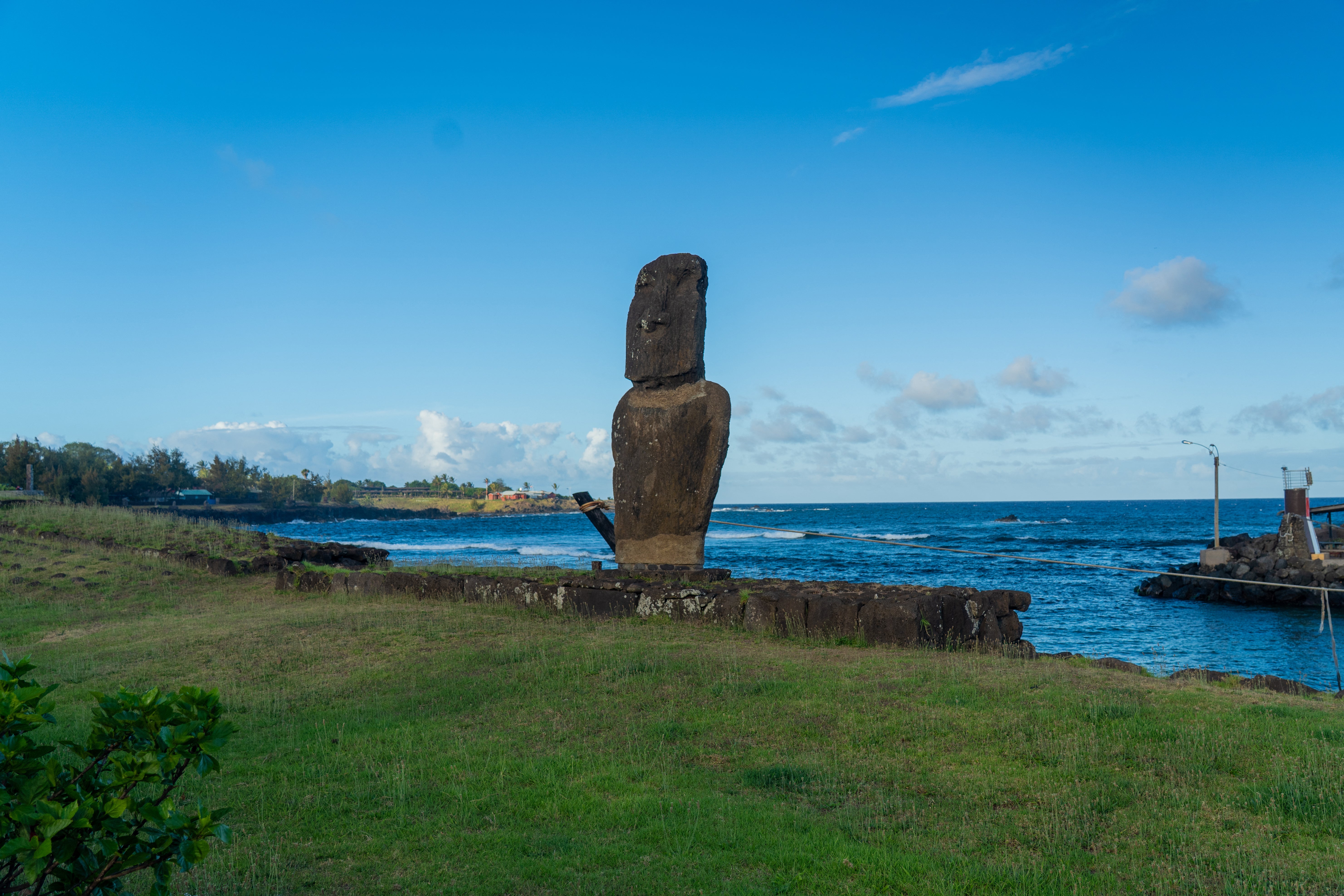
They were preparing to leave Easter Island, famed for its full-body monolithic statues known as Moai, and find a new home.
Despite there being no written record of this journey, researchers believed the islanders stocked their catamarans up with food such as sweet potato and banana to keep themselves going while out at sea – and to later plant wherever they settled.
Scientists discover ‘surprising’ origin of Native Hawaiians
Leaving Easter Island, known natively as Rapa Nui, with catamarans stocked-up with foods such as sweet potato and bananas – they set out to sea. This food would help keep them going on their hunt for a new home, and would also be used to plant on
A new study from Stanford Medicine and collaborators have analysed the genomes of modern-day Polynesians to discover that their new home was actually Hawaii – located some 4,350 miles away from Easter Island.
“What we uncover in this paper is where the native people of Hawaii had come from,” said Alexander Ioannidis, co-senior author of the study.
“Hawaii is the only Polynesian island in the Northern Hemisphere, so it’s a long way from everything.”
‘Profound implications’ for Native Hawaiians
But the new findings do more than just help reconstruct the settlement of Polynesia and add to evidence of an ancient ultravoyaging culture. They also identify so-called genetic bottlenecks that have “profound implications” for precision medicine and disease risks among modern Polynesians.
These genetic bottlenecks are known as “founder effects” and are a result of a small portion of the population separating and founding a new population.
When the gene pool narrows, the frequency of otherwise rare genetic variants (which is sometimes linked to disease) can amplify. The new study reveals that an even stronger founder effect has been overlooked among Native Hawaiians.
“In the Eastern Polynesians, such as Native Hawaiians, the founder effects are more than an order of magnitude, so more than 10 times larger than what we have in the populations of European descent we’ve studied so well,” Ioannidis said.
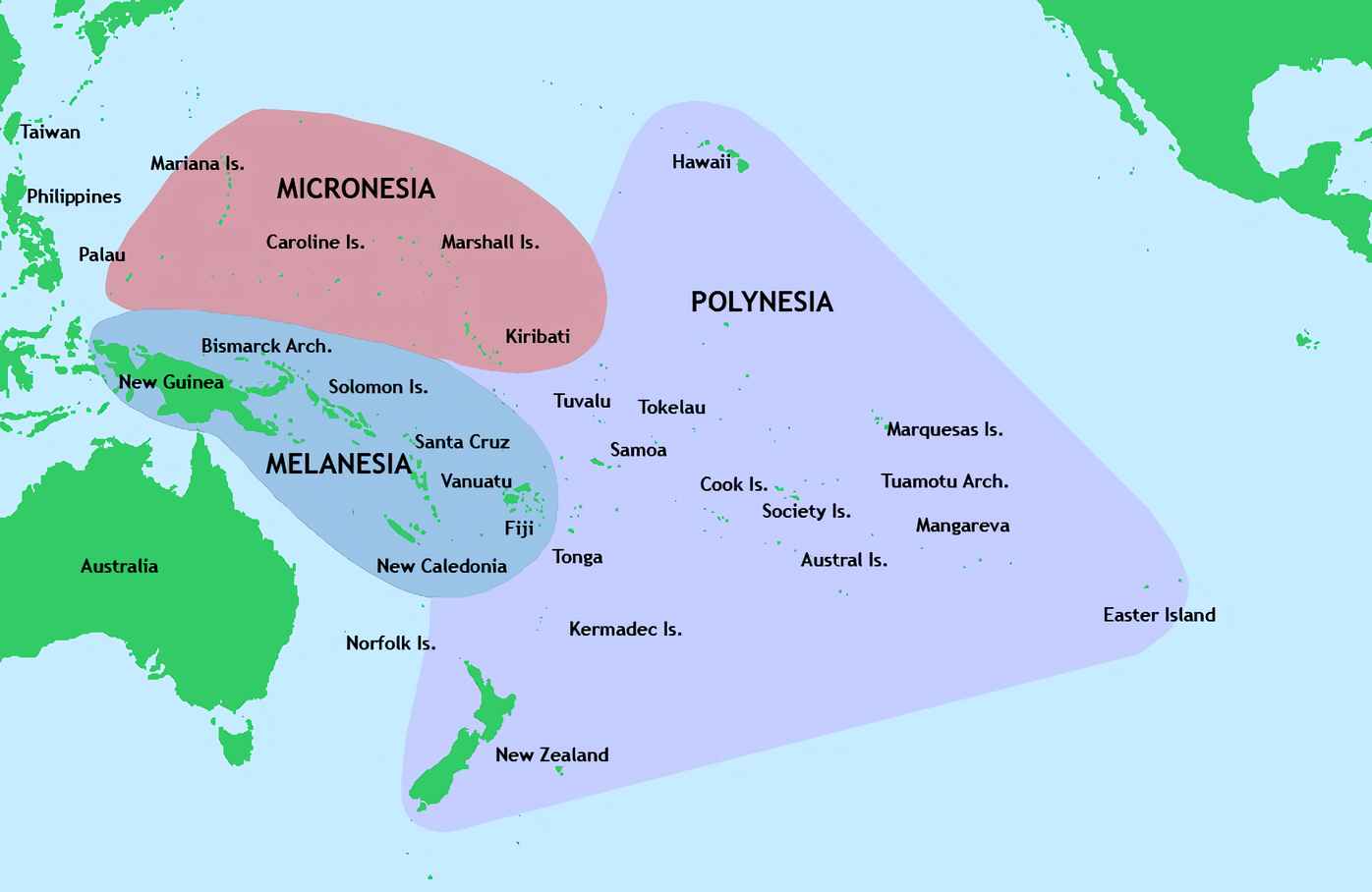
That’s because Native Hawaiians sit at the end of a long sequence of genetic bottlenecks as their ancestors sent off small groups, perhaps only a few hundred individuals at a time, to settle new islands over the course of a few centuries.
An earlier study by the same researchers had traced the settlement of Polynesia from Samoa to Fiji and Tonga, then gradually eastward to the Cook Islands, the Society Islands (including Tahiti), Mangareva and ultimately Easter Island around the year 1210.
But it now seems that the longest journey was still to come.
“We thought Easter Island was the end when we were first doing that study, but now it looks like it was part of this path to Hawaii, which is really incredible,” Ioannidis said. “By the time you’ve gotten all the way to Hawaii, you’re at the end of a series of founder effects, so it’s really intense.”