










Want to bookmark your favourite articles and stories to read or reference later? Start your Independent Membership today.
Join today
Already a member?
Log in
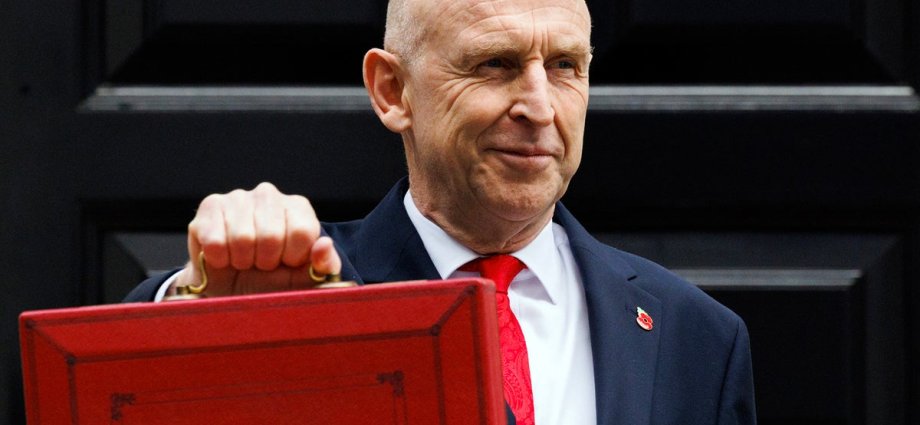
Around 20 million households across the UK will get a £100 discount from their energy bills this winter, chancellor John Healey has confirmed at the Autumn Budget.
The payment will grant certain households an automatic rebate directly to their bank accounts in a measure that will cost the government £2.6bn.
But only households in council tax bands A to D will qualify for the payments.
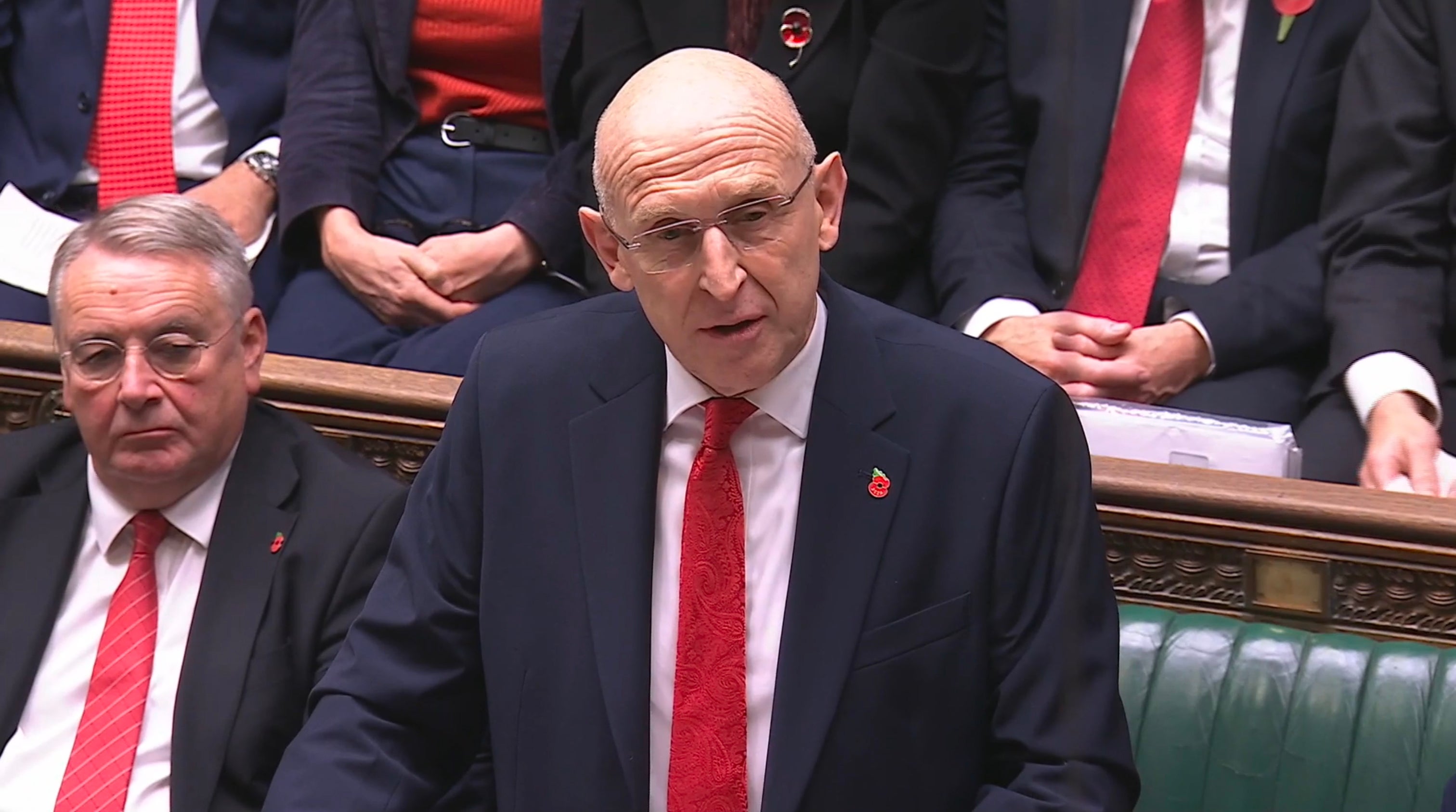
Announcing the payment in his first Budget speech, Mr Healey said: “Let me say this to families at home. I know that with the conflict in the Middle East, rising energy bills are a real worry. I know that people look to government at times like this, not to solve all their problems, but to give them a bit of breathing space.
“So today I’m taking one further step. This winter, for 20 million households in council tax bands A to D, I am announcing a £100 energy payment for households, paid directly into people’s bank accounts to deal with rising energy bills.
“That’s a £2.6 billion scheme to take the pressure off in the coldest months and see people though to the spring.”
The chancellor added that he would also make funding available to the devolved governments of Scotland, Wales and Northern Ireland, encouraging them to adopt the same measure.
Mr Healey said he was delivering his Budget “at a time when global uncertainties and pressures are swirling worldwide and hitting people here in Britain”.
The impact of the war in Iran has contributed to the difficulties facing the economy, pushing up inflation as a result of higher oil and gas prices.
To fund the new energy bill policy, the government has announced that banks will pay an extra 3 per cent – up from 5 per cent to 8 per cent – on the Bank Surcharge from January, and lasting for 15 months.
Mr Healey said the UK’s world-leading banks “make a huge contribution to this country, In the tax they pay. In the jobs, industry and investment they support”.
But he added that with the current global economic storms, he was looking to them to help fund breathing space for British families.
How to check your council tax band
Households can check if they are eligible for the £100 energy bill payment by using the government’s own postcode checker. The service went offline temporarily following the Budget announcement and was restored shortly after but some users still reported issues with it later on Wednesday afternoon.
With eight possible council tax bands from A to H, the payment applies to households in the first four.
The band in which a property falls is tied to its value. However, there has been much criticism of the current system, with the last full valuation being carried out in 1991.
Experts have also pointed out that the current banding system has failed to keep up with property price inflation, which has been unequal across the UK over the past three decades.
As a result, high value properties could well be in band D, especially in London, opening the door to a potential criticism over how well the measure is targeted.
Alongside the new energy payment, the chancellor confirmed that standing charges on gas bills will be scrapped from next year.
He said he was using his Budget to cut energy bills “for good,” and signalled he will look into removing the fixed daily fees on electricity as well.
The gas standing charges are added to bills, regardless of how much gas a customer uses, and cost around £108 per year for a typical household.
Mr Healey will ask regulator Ofgem to remove gas standing charges for around 23 million homes “in 2027 or as soon as possible after”.
Instead, fixed costs will be paid on the unit rate, which the Treasury said could save 60 per cent of households an average of £45 on their annual bills.