











Want to bookmark your favourite articles and stories to read or reference later? Start your Independent Membership today.
Join today
Already a member?
Log in
Great Britain has more than enough gas and electricity to power the winter months, despite an increasing dependence on overseas supplies which have been squeezed by the Iran war, analysis has shown.
Europe is also heading into winter with lower gas storage than normal as a result of higher prices.
But the National Energy System Operator (Neso) said its outlook shows Britain’s electricity system is stable for the winter.
The electricity system is forecast to have a surplus of 5.9 gigawatts (GW) between the end of October and the end of March next year.
This represents a 9.5% buffer against peak demand during a cold spell, which is slightly lower than the 10% buffer of last winter.
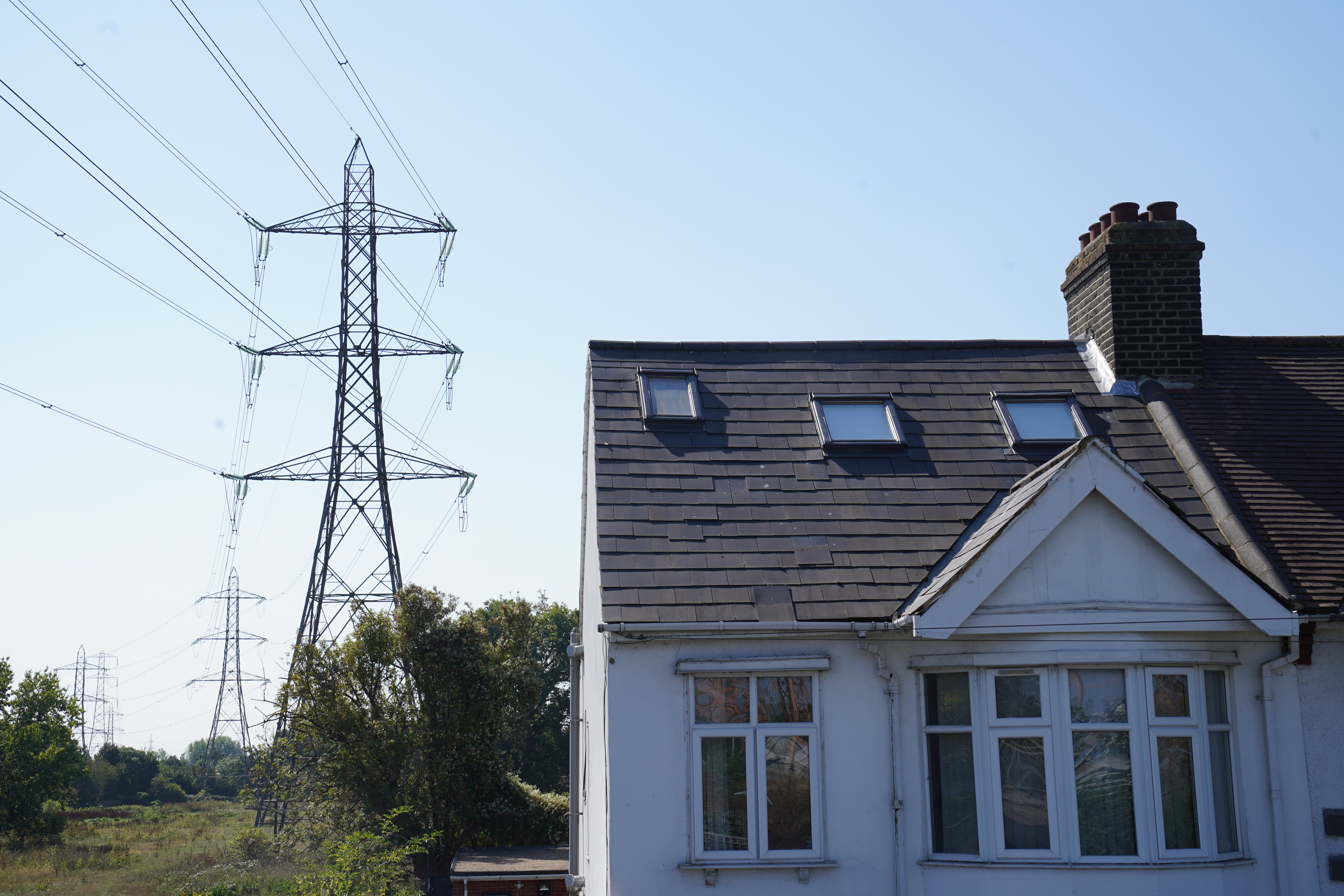
Neso, which is a publicly-owned body independent of government, is tasked with ensuring that the supply of energy always meets demand for it.
If supply cannot meet demand, then the country risks blackouts.
However, Neso said its modelling – which stress-tests thousands of scenarios based on electricity demand, weather conditions and generation – shows there may still be “tight days” during the winter, most likely in December or January.
This can occur on days where it is cold and there is low wind and sun, which squeezes sources like wind generation and solar power, and means more people are heating their homes.
On these days, Neso said it may need to use tools such as system notices, which signal to the energy market to bring in additional power generation to increase capacity in the grid.
Deborah Petterson, director of whole energy system resilience at Neso, said: “Despite continued geopolitical uncertainty and volatility in global energy markets, Britain enters this winter with a resilient and well-prepared electricity system.”
National Gas separately published its winter outlook on Friday showing that Britain is expected to have sufficient gas supply capability to meet demand this winter, even under its worst-case scenarios.
But the body, which is responsible for transporting gas across the country, said domestic gas production from the UK continental shelf is forecast to decline by around 5%, in line with a long-term downward trend.
This is offset by an expected increase in imports of liquified natural gas (LNG) by around 6%, which it said highlights Britain’s growing dependence on global gas supplies.
The US-Israel’s war with Iran has led to disruption to shipping through the Strait of Hormuz, which carried about a fifth of the world’s oil and LNG prior to the conflict.
This has led to increased competition for alternative supplies which has pushed up prices around the world.
It also meant European gas storage filled more slowly over the summer as the volatility pushed summer prices above winter prices, meaning storage levels have been below the target level.
Nevertheless, Britain gets the majority of LNG shipments from the Americas while it also gets energy supplies from the North Sea and renewable sources.
Energy regulator Ofgem said on Thursday that it had approved an agreement to maintain gas links between Great Britain and Belgium amid a “significant reduction” in the amount of gas that can be imported through the undersea pipelines.
Furthermore, the Government’s approval of drilling in the Jackdaw gas field in the North Sea is expected to result in increased gas production over the winter.
The main impact of the war for households is therefore felt in prices, with Ofgem’s price cap on energy bills rising from October and prices expected to go up further from January.
Glenn Bryn-Jacobsen, director of energy systems and resilience at National Gas, said: “The analysis continues to demonstrate the critical role that gas, and the gas network, plays in safeguarding our country’s energy security.
“As Britain’s electricity system becomes increasingly reliant on weather-dependent renewable generation, the flexibility and reliability provided by gas remains critical to maintaining energy security and keeping the lights on when renewable output is low.”