







Want to bookmark your favourite articles and stories to read or reference later? Start your Independent Membership today.
Join today
Already a member?
Log in
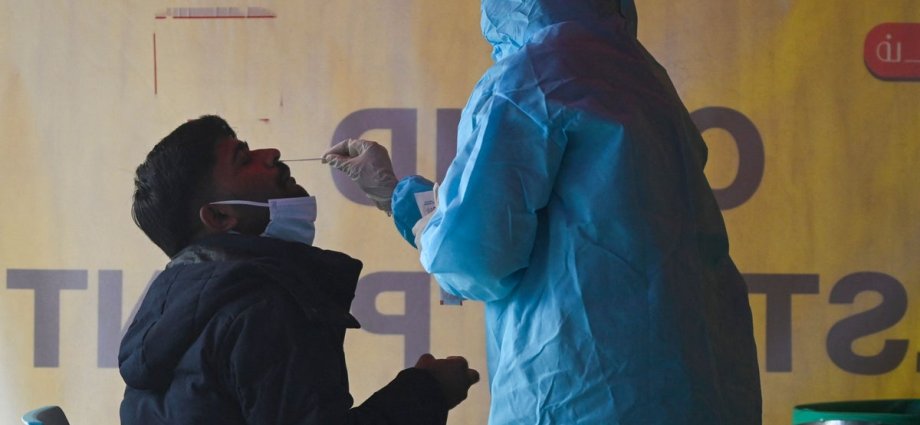
Global trust in science is lower than it was before the Covid-19 pandemic, a new report has found.
More than 140,000 people in 140 countries were polled for the third wave of The Wellcome Global Monitor, the world’s largest study into how people regard and feel about science.
The proportion of people expressing at least some trust in science was 77 per cent in 2018, rose to 80 per cent in 2020, but then fell to 72 per cent in 2025.
People who felt worse off financially, or had less confidence in their countries’ healthcare systems, were also less likely to say they trusted science.
Only 21 per cent of respondents in sub-Saharan Africa reported having “a lot” of trust in science, compared with 54 per cent in Western Europe. Low trust levels are likely to have an impact on how health programmes can operate, experts said.
“Public trust shapes whether scientific advances can make a meaningful difference in people’s lives,” said John-Arne Røttingen, CEO of Wellcome. “As the world faces increasing challenges, from infectious diseases to climate change and mental health, science has the potential for shaping a healthier future, but only if people trust that it is a force for good.”
Despite the global bump in trust during the Covid-19 pandemic, in sub-Saharan Africa as well as Central Asia and Western Asia, there was a steady fall in trust across the three survey waves.
And while in Central Asia the trend reflected a gradual softening of views, with more people moving from “a lot” of trust in science to “some” trust, in the other two regions views appeared to harden, with growing proportions saying they trust science either “not much” or “not at all”.
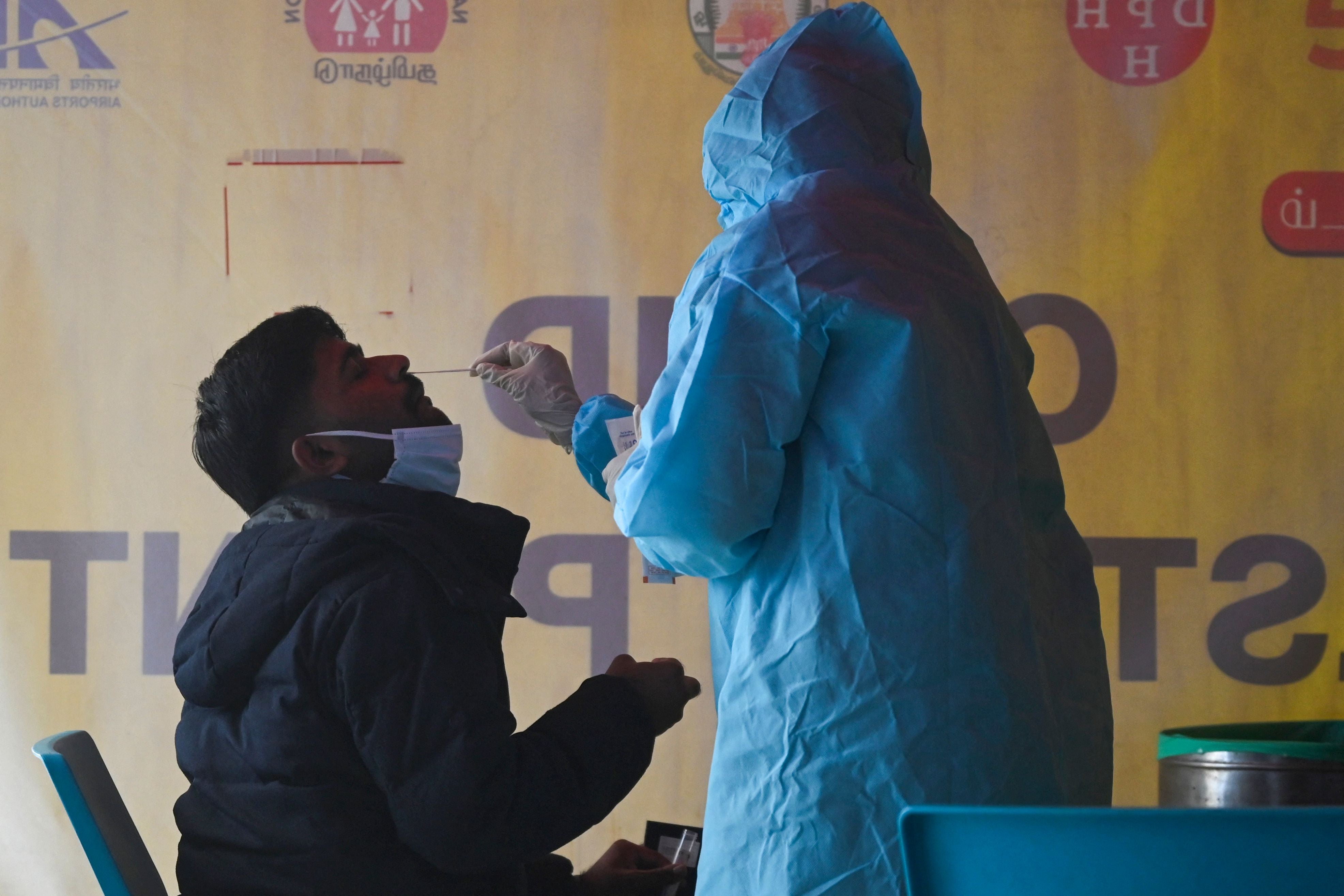
While there was some diversity between countries, overall only 28 per cent of respondents in sub-Saharan Africa felt science benefited “most” people in their country.
“Across Africa, people have lived through a series of major shocks and challenges in recent years: rising living costs and economic insecurity, the lasting impacts of Covid-19, rising pressure on health systems, recurring disease outbreaks including mpox, Marburg virus and Ebola, conflict and displacement, and the growing effects of climate change on health,” said Dr Aneesa Ahmed, head of programmes at health NGO Amref Health Africa.
“If families are struggling financially, if clinics lack medicines or staff, or if communities feel excluded from decision-making, trust can be affected.”
Trust is, however, “fundamental” to health programmes, she said. “Communities may only encounter science through practical experiences such as an immunisation drive, a maternal health outreach clinic, or a local community health worker visit to their home. If people have low trust in the institutions delivering those services, or do not feel that programmes reflect their own priorities and realities, implementation becomes much harder.”
The report comes as health systems in many African countries are reeling from the impact of aid cuts by countries like the US and UK, who have historically been major donors.
Low trust also helped misinformation to spread, Ahmed added, “especially through social media”.
Health authorities working to tackle the Ebola outbreak in the Democratic Republic of the Congo (DRC) have frequently warned that mistrust and misinformation in local communities is hampering the response. In the DRC, 22 per cent of people reported having “no trust” in science at all.
Dr Evelyn Gitau, chief scientific officer, Science for Africa Foundation and part of the report’s steering group, said that poor availability of laboratory tests early in the DRC outbreak had driven that mistrust. “All the interventions that we said would work, were not readily available,” she said, and so while “people knew what they were supposed to do […] they rejected it because they felt things were taking too long”.
She said there were wider issues where people in Africa were not feeling the benefits of research, even in communities that had been part of programmes for decades.
“Trust in science is shaped by people’s lived experiences, including whether they can access and benefit from the systems and knowledge that science produces. In Africa, that means asking where research comes from, who leads and funds it, and whether local communities and institutions have ownership of, and benefit from, its results,” she added.
“A lot of research, especially health research, has come to Africa, but it has come to Africa more from a north-south kind of gaze, so it’s research for the participants and not necessarily with them.”
The fact most scientific research projects were health focused meant that “if our health systems are poor, people are going to really equate that to the fact that science is actually not working for them – and that is the reality, a lot of our health systems are really struggling,” she added.
This article was produced as part of The Independent’s Rethinking Global Aid project.