










Want to bookmark your favourite articles and stories to read or reference later? Start your Independent Membership today.
Join today
Already a member?
Log in
Chinese doctors shrunk a potentially fatal tumour inside a baby’s chest while it was still in the womb without making an incision, developing a breakthrough procedure that could save thousands of lives.
The baby had developed a genetic lung malformation known as CPAM, which doctors said occurs in roughly 1 in 25,000–35,000 pregnancies.
It’s mostly non-threatening but in a small minority of cases, the tumour can grow very large very rapidly, causing severe compression of the heart and lungs, and potentially leading to foetal death.
There’s not a standard treatment for every CPAM currently. In some cases, steroid drugs are given to pregnant mothers to shrink the baby’s tumour.
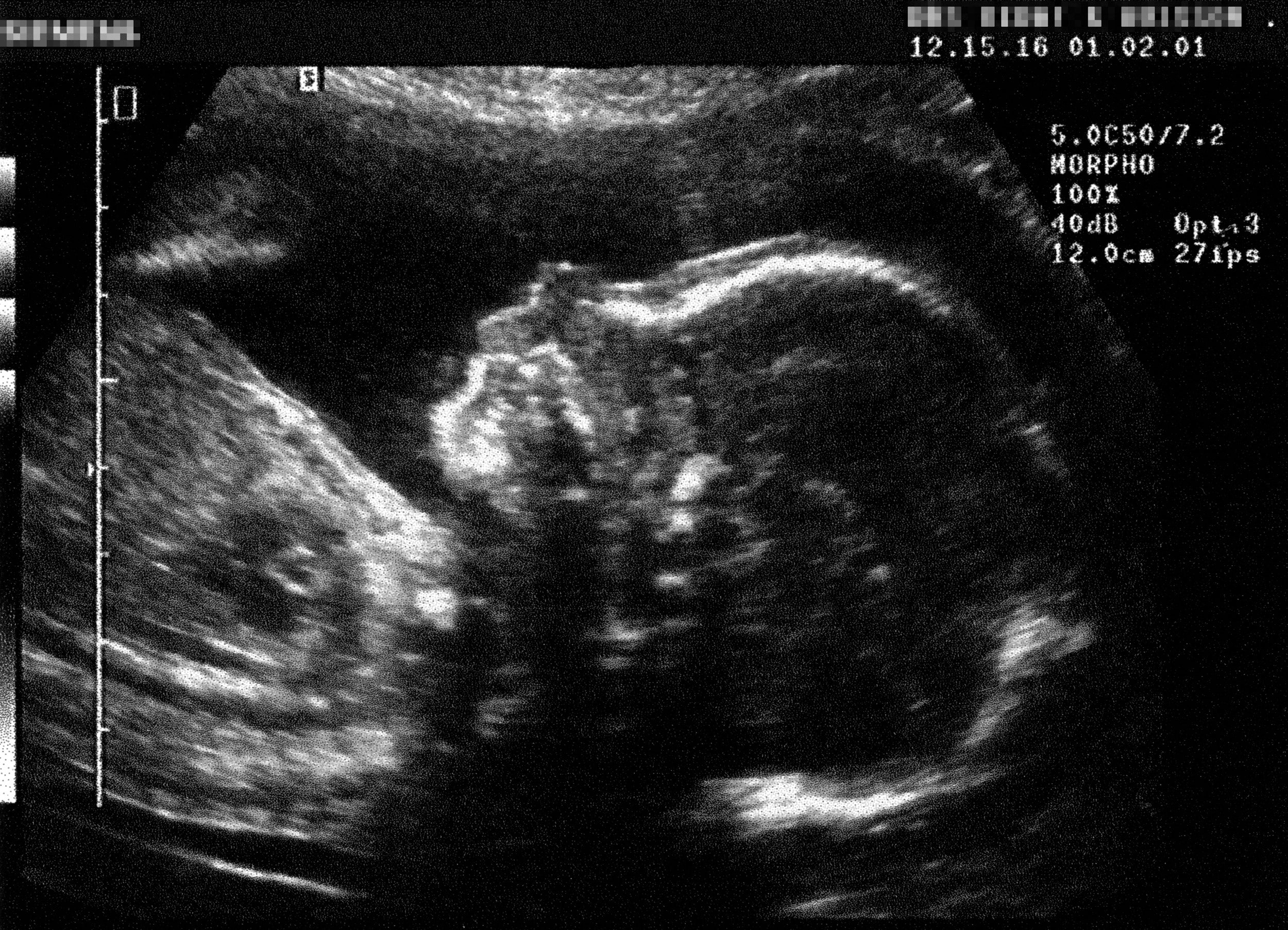
In rare cases when CPAM involves a large fluid-filled cyst, doctors may insert a needle through the mother’s abdomen and uterus and place a drainage tube between the cyst and the fluid membrane surrounding the womb. In a considerable fraction of cases where drainage tubes are placed, preterm pregnancies are reported.
A procedure called foetal lobectomy may also be performed. This involves surgically opening the uterus to remove the tumour from the foetus and return it to the womb. It’s a major surgery, however, and only about 50 per cent of babies born to mothers that undergo the procedure survive, according to a study by the University of California San Francisco.
In the latest case, detailed in the journal Ultrasound in Obstetrics & Gynecology, Chinese doctors used a minimally invasive technique to shrink the large tumour of a baby still in the womb of a 40-year-old mother.
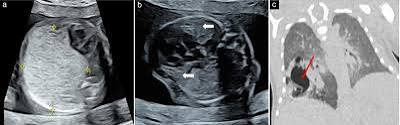
At 22 weeks of gestation, the tumour had grown to about 5cm, large enough to compress its heart and lungs.
Doctors also noted a dangerous build-up of fluid in the baby’s abdomen.
They inserted a small needle through the mother’s abdomen into the foetal lung tumour, and supplied microwave energy through the needle into the womb to heat and destroy the abnormal tissue.
The procedure works by vibrating water molecules to create intense heat, which destroys the tumour from the inside out.
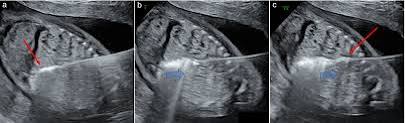
The tumour shrank significantly within three days of the procedure and the fluid build-up in the baby’s abdomen was completely gone.
The infant was delivered at 37 weeks via caesarean section, weighing about 2.9kg.
Doctors called the minimally invasive procedure a “new milestone”, noting that it marked the first reported use of the microwave ablation method for foetal CPAM.
They stressed that while promising, the safety and effectiveness of the procedure could not be conclusively stated based on a single case alone.
If found to be safe, reproducible and effective, they added, it could become another option for severe CPAM cases.