










Want to bookmark your favourite articles and stories to read or reference later? Start your Independent Membership today.
Join today
Already a member?
Log in
The death of a laboratory worker from a suspected case of the plague has led to hundreds of people in Siberia being placed in quarantine.
Darya Shipilova, an employee at the Anti-Plague Research Institute in Shelekhov, contracted the bacteria when a test tube holding the pathogen accidentally broke as she collected samples, according to reporting by the Kyiv Independent.
She was hospitalised on 29 September suffering from acute pneumonia of “unknown origin” and placed on a ventilator, dying shortly afterwards.
The virus has been responsible for hundreds of millions of deaths in three devastating pandemics, including the Black Death (1346–53). Despite being readily treatable with antibiotics, infections and deaths continue to occur throughout the world.
Here we explore what the deadly disease is, its history and how it has been controlled in centuries past.
What is plague?
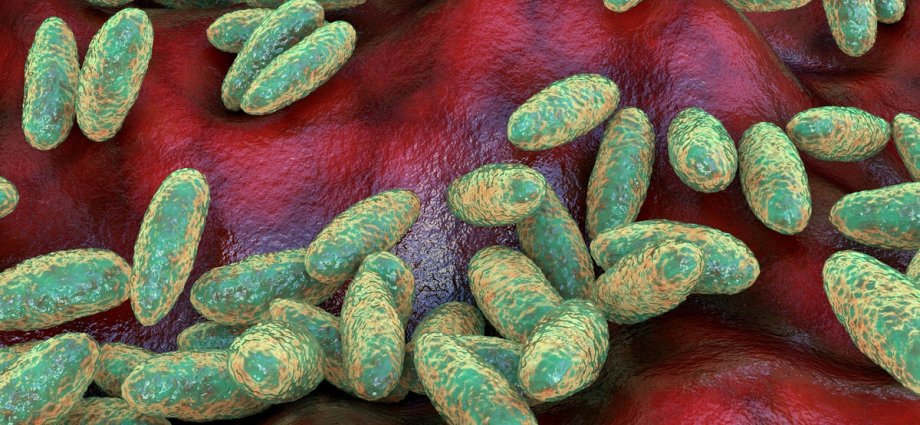
Plague is a serious disease caused by the bacteria Yersina pestis, which is transmitted from infected animals to humans by fleas. There are a number of different clinical forms – bubonic plague and pneumonic plague being the most important.
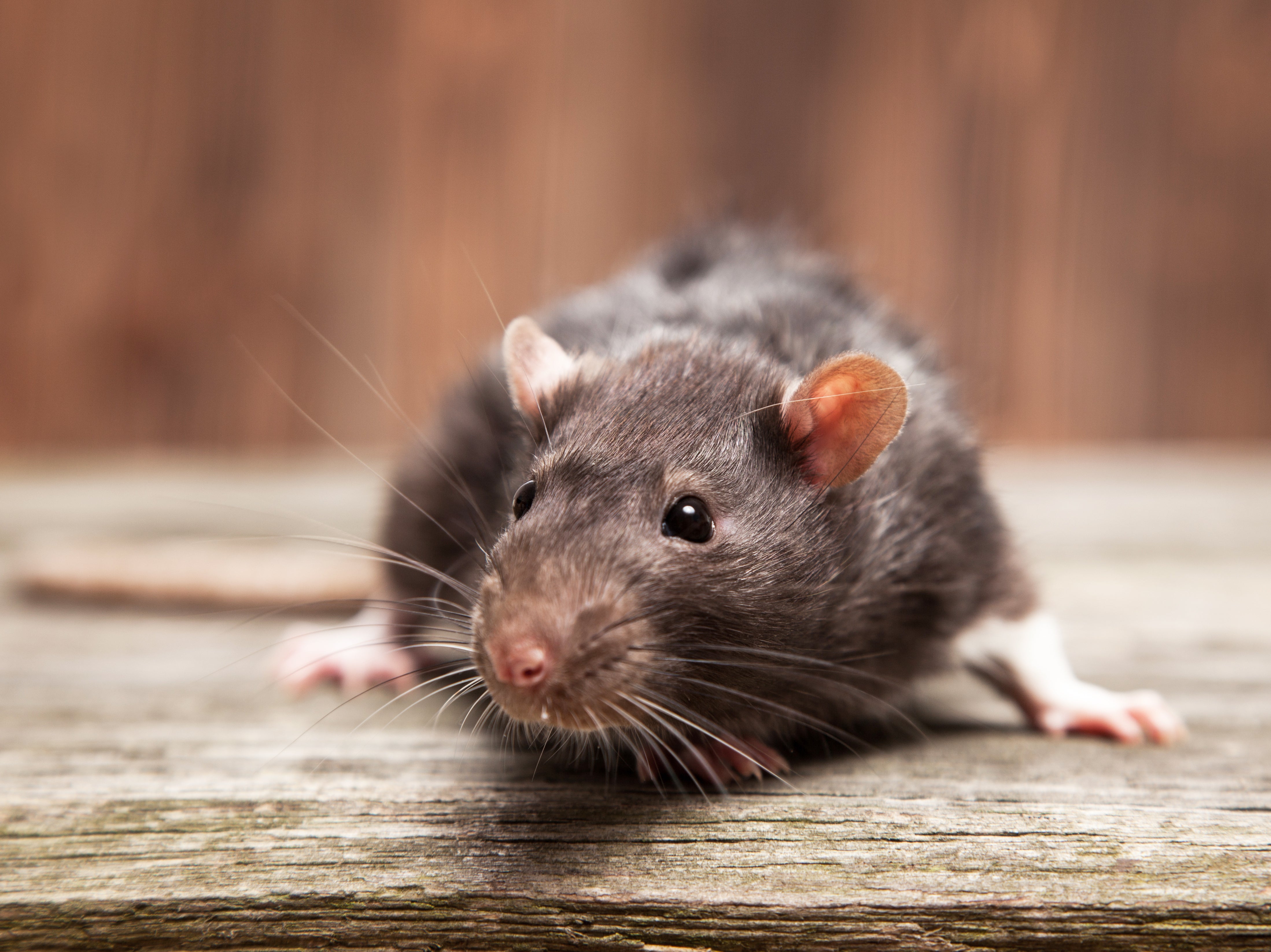
Rats have historically been the biggest spreaders of the plague.
Bubonic plague is named after the presence of buboes, or infected lymph nodes. These develop after an incubation period of two to six days after bites from infected fleas.
Bacteria then drain to local lymph nodes in the groin, under the arm or in the neck, which become swollen and painful. If untreated, infection spreads to the bloodstream and other internal organs.
Pneumonic plague occurs when the lungs are involved and has a much more rapid course. It leads to the build up of pus and fluid in the lungs, followed by bleeding. This severe form of plague, although less common than the bubonic form, is particularly significant because bacteria in the sputum can spread the disease to other people.
A number of common, inexpensive antibiotics, including gentamicin and doxycycline, are effective against plague. But the effectiveness of treatment depends on antibiotics being given early, before severe infection is established.
Fortunately, antibiotic resistance does not appear to be common, despite a concerning 1995 report that described a multi-drug resistant strain.
Like many infectious diseases that cause outbreaks, plague is a zoonosis, meaning that it normally occurs in animals, with humans becoming involved as a spillover phenomenon.
Yersinia pestis is found in a number of animals – most importantly rats, but also in a range of other mammals and is transmitted to humans via fleas. In modern times, most cases of plague occur in African countries, particularly Madagascar.
Pandemics
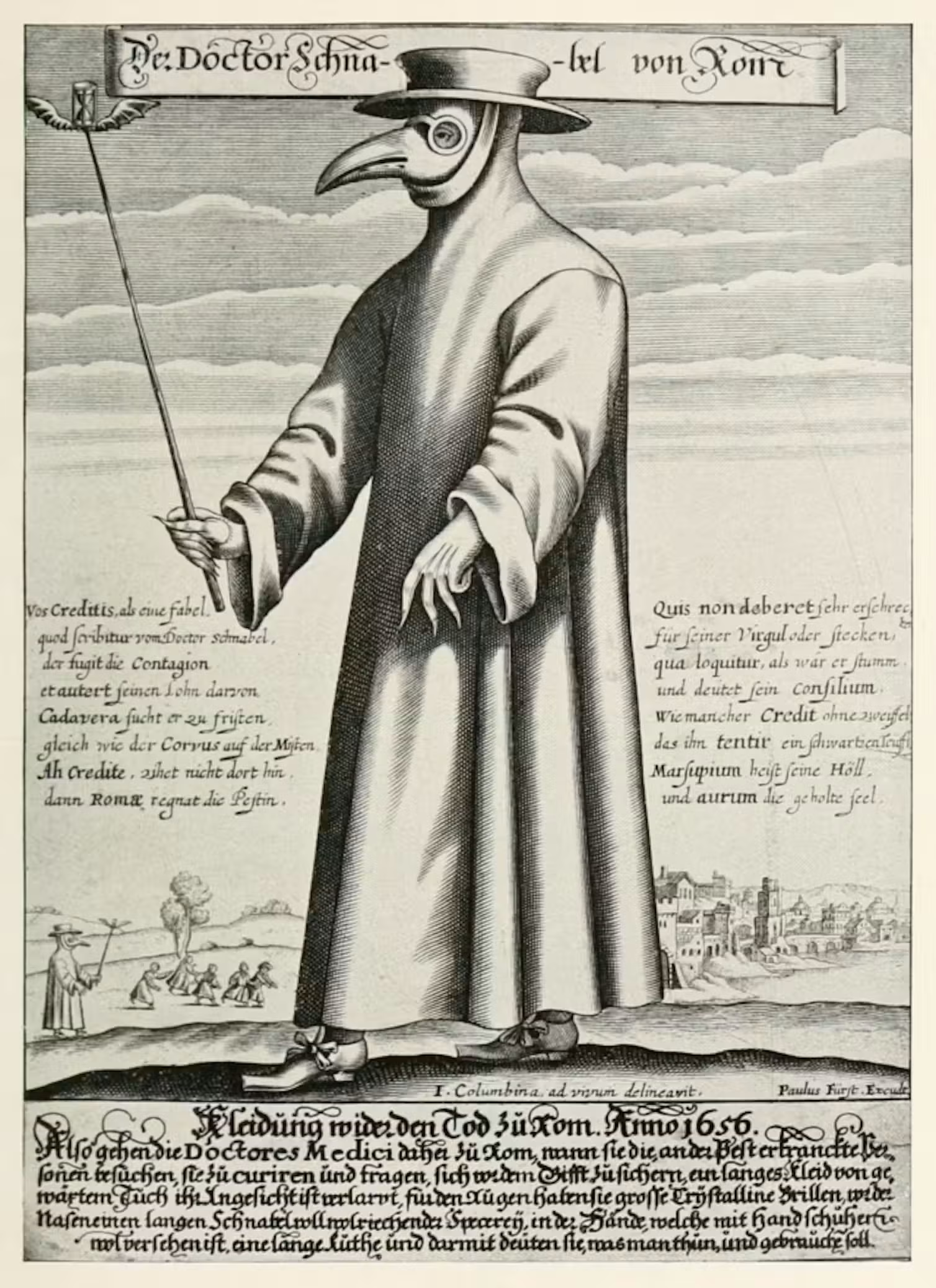
There have been three major pandemics of plague described throughout history, the most famous being the Black Death in the 14th century.
Both the bubonic and pneumonic forms spread quickly through crowded, unsanitary cities and were carried by rats between urban centres. It’s been estimated that a third to a half of all people in affected regions died.
This event is thought to have left its mark on human genetic makeup, as an example of natural selection. Genetic studies have found a higher prevalence of changes (the CCR5-delta 32 mutation) in affected regions that are thought to provide relative protection against plague (although others argue that different diseases may be involved).
Ironically, this mutation is also thought to provide protection against a very different modern plague, HIV.
Pandemics of plague also had a profound influence on religion and culture. Contrary to popular opinion, the nursery rhyme “Ring a ring o’ roses” probably does not describe pneumonic plague.
But the extreme responses of humanity in horrific circumstances has provided a rich vein to mine for generations of writers, including Daniel Defoe and Samuel Pepys, Albert Camus and more recently, Geraldine Brooks.
DNA studies from plague victims have been able to confirm that plague was the cause of the Black Death as well as the earlier Plague of Justinian (AD 541-542).
Genetic studies of the causative organism Y. pestis suggest that there are no particular bacterial factors present in pandemic strains. This suggests that, given the right environmental conditions, all strains of bacteria are probably equally likely to cause outbreaks.
Quarantine and plague
The practice of quarantine, or restriction of the movement of people to prevent the spread of disease, was first employed in the 1370s in Dubrovnik, and later in 1423 in Venice during plague outbreaks.
The word itself comes the word quaranta (Italian for “40”) referring to the number of days for which travellers were isolated.

The isolation of whole villages or cities, as was reported in a Chinese outbreak in 2014, is termed cordon sanitaire. This practice also dates back to medieval times, most famously in the English village of Eyam which voluntarily adopted this policy in 1665.
Plague control programs involve educating the population on measures to improve sanitation to reduce exposure to rats and fleas; other rat and flea control measures, particularly on ships and around warehouses; and surveillance of infection in rats.
Allen Cheng is Director of Monash Infectious Diseases at Monash Health.
This article was first published by The Conversation and is republished under a Creative Commons licence. Read the original article .
Case identification and treatment in humans also provides an effective method of control by preventing ongoing spread.
A number of vaccines have been developed, but are not widely available in most countries due to concerns about their lack of effectiveness.
Plague is an example of how bacteria, animals, humans and the environment interact together to produce the conditions that enable infections to occur. Although we may never see outbreaks on the scale of the Black Death again, the ongoing reports of cases remind us that improvements in basic sanitation are still needed in many parts of the world