










Want to bookmark your favourite articles and stories to read or reference later? Start your Independent Membership today.
Join today
Already a member?
Log in
Egypt’s earliest pharaohs sacrificed and buried both their slaves and officials to serve them in the afterlife, a new analysis of ancient human skulls has confirmed.
The study, published in Frontiers in Environmental Archaeology, re-examined human remains excavated a century ago from royal tombs at Umm el-Qa’ab in Abydos, a cemetery site dating back roughly 5,000 years.
Researchers focused on preserved skulls belonging to royal household members – including lower-level officials, artisans, guards, and domestic workers – who were buried in long rows of simple brick-lined graves surrounding the main royal monuments.
The findings show that human sacrifice was an established convention for some time in ancient Egyptian society.
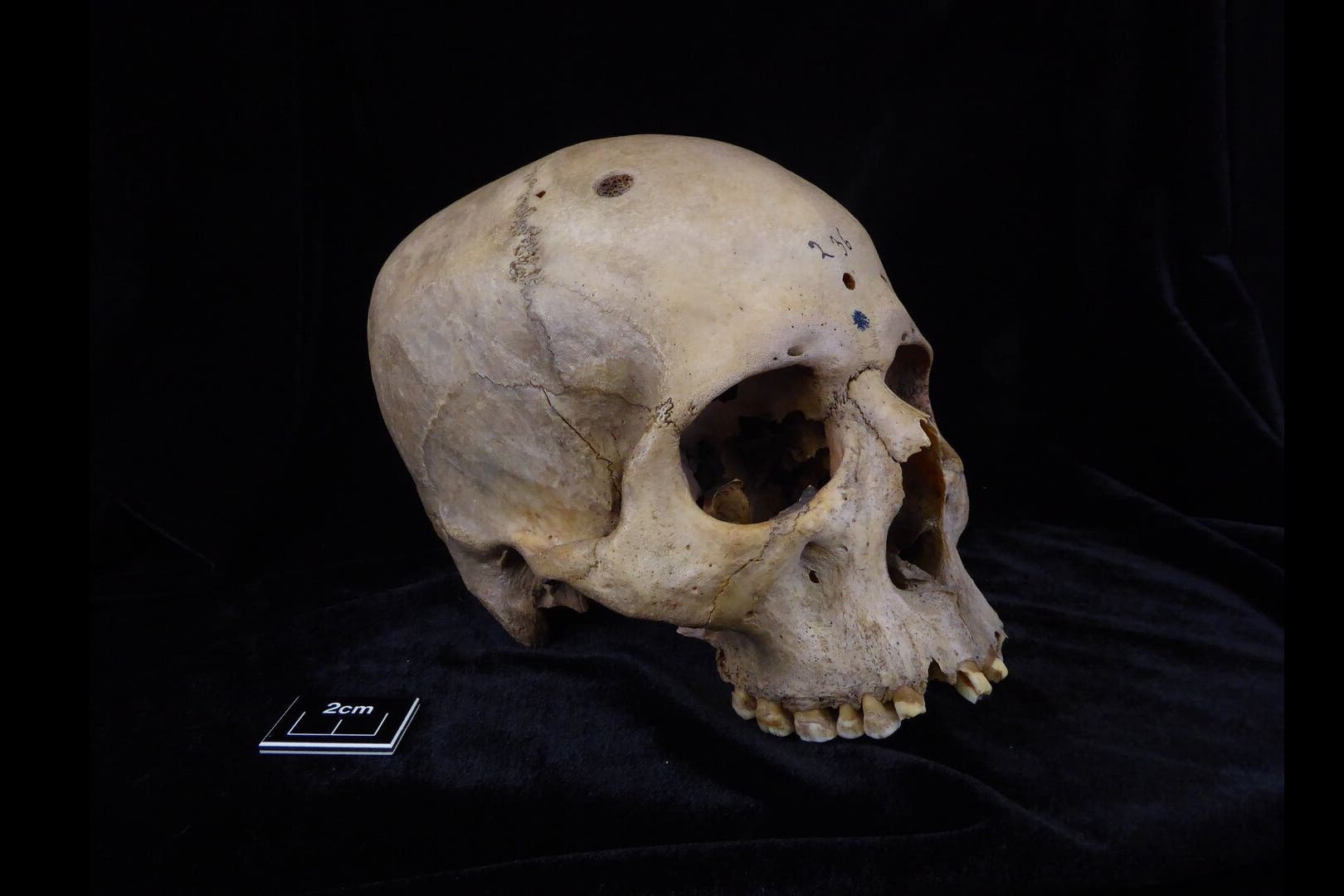
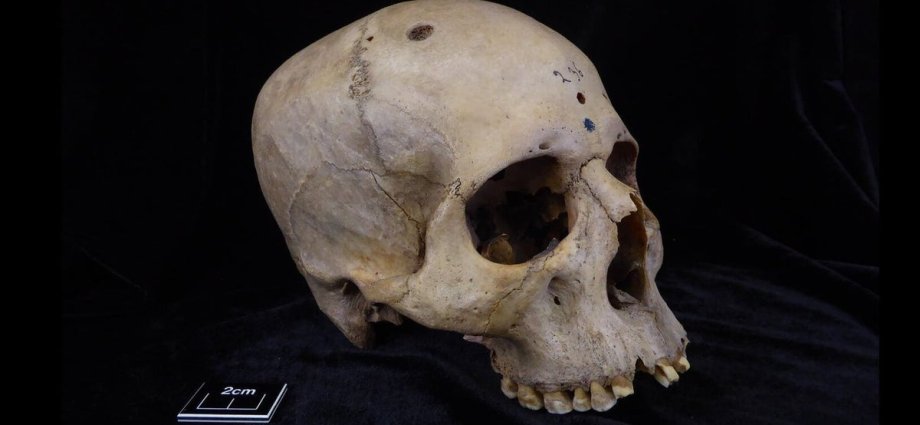
Dr Roselyn Campbell, an Egyptologist and bioarchaeologist at Purdue University, discovered that 18 of the 46 skulls analysed showed severe, fatal head trauma inflicted around the time of death.
The injuries included severe cracks caused by heavy blows to the head with flat weapons, as well as distinct chop wounds near the eyes and temples.
When British Egyptologist Sir Flinders Petrie first excavated the burial site in the 1920s, he suspected the workers were killed when their king died because hundreds of people appeared to have been buried at the same time.
However, Sir Flinders lacked modern forensic techniques to confirm his theory and ultimately reburied most of the skeletons, saving only the skulls for future study.
The new forensic evaluation provides the strongest physical evidence yet that ritual killings took place during Egypt’s First Dynasty, between 3100BC and 2900BC, as early pharaohs consolidated state power.
The pharaonic period itself spanned more than 3,000 years, beginning around 3100BC with the political unification of Upper and Lower Egypt under the first royal dynasty. This era of powerful divine kingship lasted until 30BC, when Egypt was annexed by the Roman Empire following the death of Cleopatra VII.
Dr Campbell explained while some royal attendants may have accepted their fate willingly to gain eternal life or honour in the court of a divine king, others were likely chosen or forced.
“If you really think about what those scenes would have looked like, it would have been very gruesome,” said Dr Dawn McCormack, an Egyptologist at Samford University.
Experts emphasise that the practice of retainer sacrifice was short-lived in ancient Egypt, tapering off dramatically by the Second Dynasty (2890BC – 2686BC).
During this second era, central authority in ancient Egypt faced turmoil and political instability, prompting rulers to abandon costly human sacrifices to maintain political unity.
Pharaohs soon replaced human sacrifices with small wooden and stone servant statues, known as ushabti, which were placed inside tombs to perform tasks for the deceased in the afterlife.
The findings join a larger pool of knowledge surrounding human sacrifice, where experts have previously found the ritual was also practised in China, Scandinavia and Celtic societies in England.