










Want to bookmark your favourite articles and stories to read or reference later? Start your Independent Membership today.
Join today
Already a member?
Log in
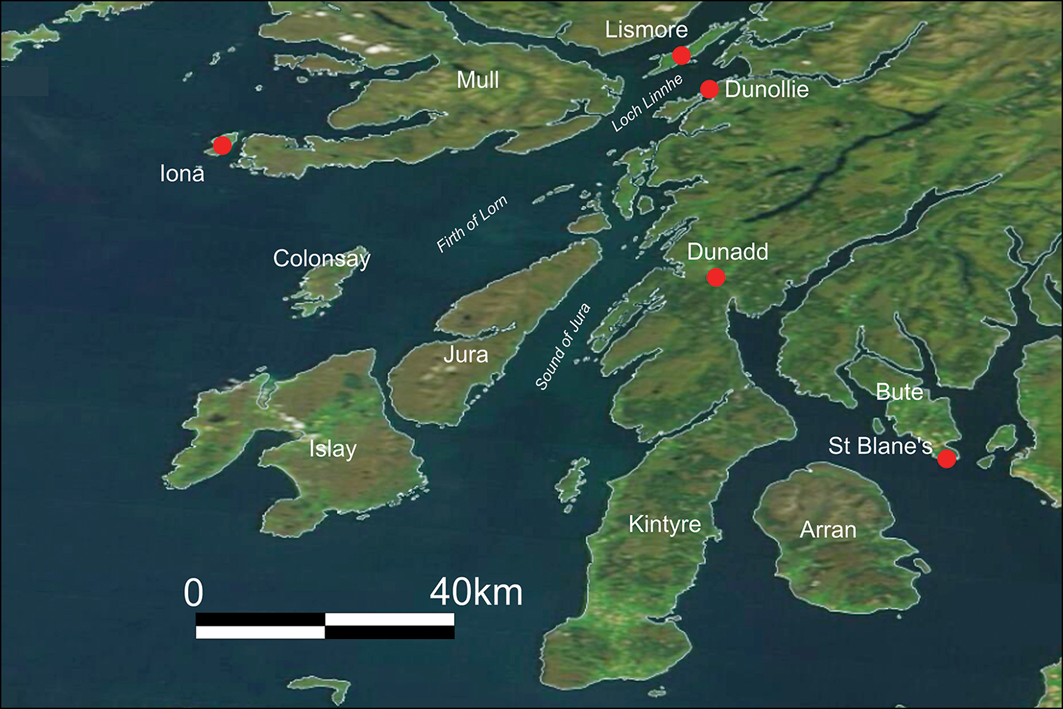
A once-thriving, early medieval monastery of “international importance” has been unearthed on the small island of Lios Mòr in Argyll, shedding light on the influence of Christian networks in the region during the first millennium AD.
Historical records and local traditions alike indicated the island, also known as Lismore, was home to a monastery built by Saint Mo Luóc in the sixth century.
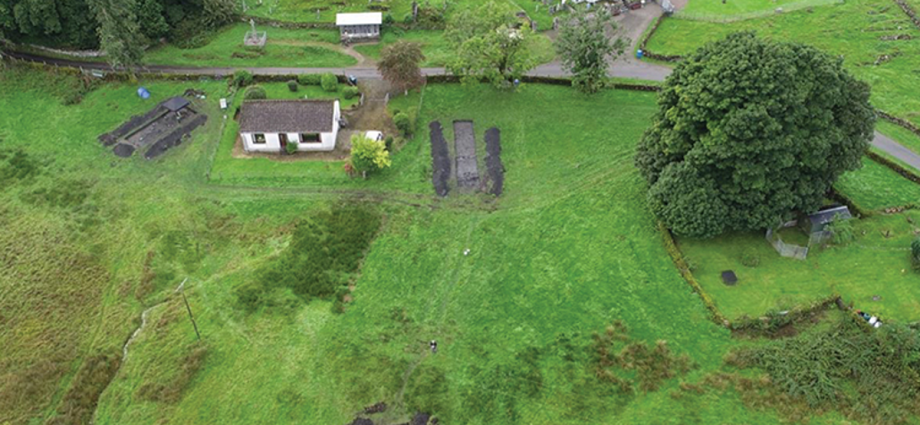
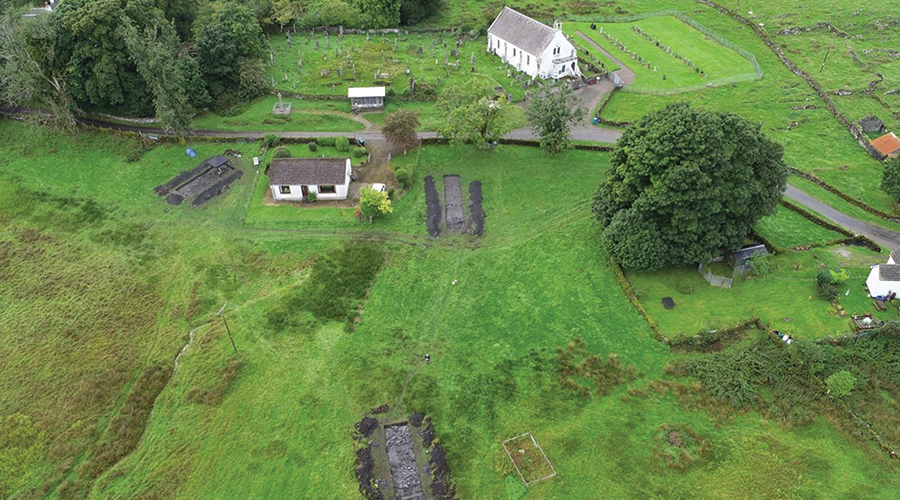
A recent community-led archaeology project found an early medieval cemetery and structures around a parish church on the island. The excavations revealed the region was once a centre of sophisticated craftwork of “international importance”, according to a new study published in the journal Antiquity.
“For centuries, Lismore’s early monastery was known mainly from written records and local tradition,” Gordon Noble, an author of the study, noted. “We can now see that it was a thriving centre of worship, craftsmanship and learning, whose importance may have rivalled some of the best-known monasteries in early medieval Britain.”
The church played a key role in the development of northwestern Europe between 400 and 1,000AD. And churches across Scotland led a surge in monasticism in the Gaelic-speaking kingdom of Dál Riata, which included Argyll and part of County Antrim in Northern Ireland. The Lios Mòr monastery was one such influential church.
It helped shape religious and intellectual life in Europe as well as the political powers that took hold in the wake of the Roman Empire.
“Lismore, founded by Saint Mo Luóc in the sixth century, was known from historical records, placename evidence and local tradition, but there was little archaeological evidence to confirm its character, extent or significance,” Clare Ellis of Argyll Archaeology, who led the excavations, said.
“The research aimed to determine whether the site of the later medieval cathedral at Lismore was also the location of Mo Luóc’s early monastery, and to assess the scale, nature and status of the settlement.”
The latest excavations unearthed extensive burial grounds, high-status craftworking areas, early buildings, and rare evidence for precious-metal working.
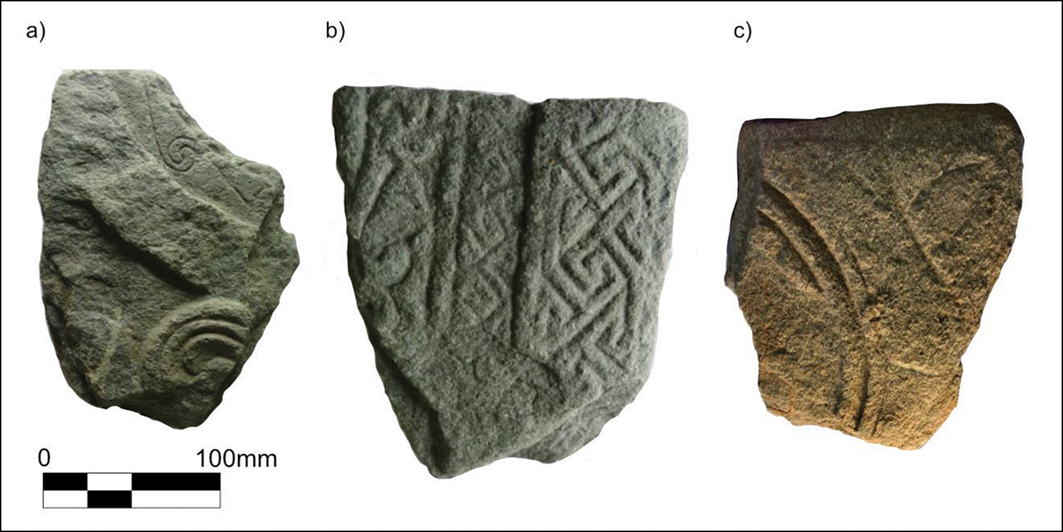
Researchers found moulds and crucibles that were likely used to produce items such as brooches.
“No other motif pieces of the quality found at Lismore are known from Scotland, and only a few have been found in Ireland,” they wrote in the study.
-brooch-mould-fragments-b)-motif-pieces-with-fine-chip-carved-designs-c)-early-medieval-touchstone.png)
The findings revealed that Lios Mòr was much more than a small island church. It had considerable wealth and influence, comparable to some of the most important monastic sites across Britain and Ireland.
“While direct evidence from this date remains elusive, the material culture and burial practices from the seventh to tenth centuries AD reflect a thriving monastic community with regional and possibly supra-regional influence. The presence of precious metalworking, motif pieces, and yew woodcraft suggests a centre of considerable wealth and artistic sophistication,” researchers noted in the study.
The research underscores the importance of archaeologists and communities working together to unravel local heritage. “Local volunteers and the Lismore Historical Society played a central role in investigating the site, helping to uncover evidence that has fundamentally changed understanding of one of Scotland’s most important early Christian centres,” said Bob Hay, a former island resident who organised the funding and the volunteers.
Archaeologists said that future studies “should focus on delineating the full extent of the monastic enclosure, exploring the upper cemetery and mapping the broader ecclesiastical estate”.