










Want to bookmark your favourite articles and stories to read or reference later? Start your Independent Membership today.
Join today
Already a member?
Log in
A minister has admitted the government cannot guarantee the safety of domestic abuse survivors as it prepares to release hundreds of prisoners early to ease overcrowding.
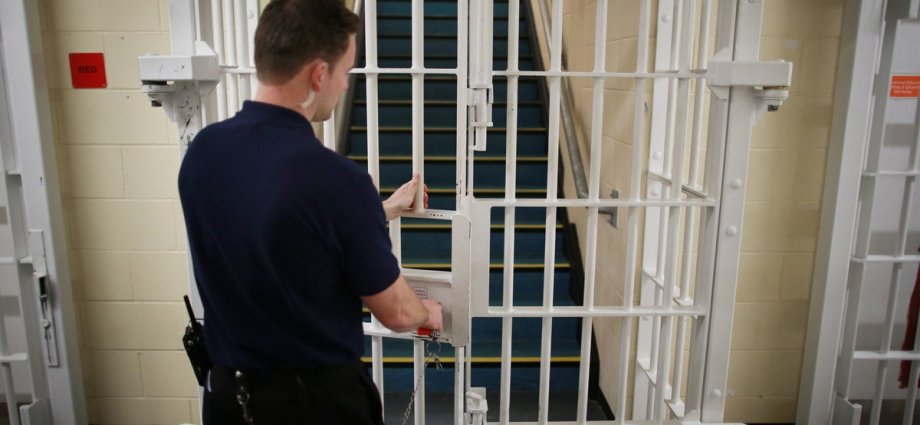
Some 4,500 prisoners are scheduled to be released in stages over the next year in a bid to manage chronic prison overcrowding and prevent the justice system from collapsing. Around 700 offenders are due to leave English and Welsh jails on Thursday.
Criminals convicted of rape and the most serious child sex offences will be exempt from release. Prisoners guilty of manslaughter will also be excluded after a public outcry over the potential release of the killers of PC Andrew Harper.
However, many domestic abusers remain eligible for release, prompting a warning from domestic abuse commissioner Dame Nicole Jacobs that survivors across the country will be “looking over their shoulder and living in fear because the government and our criminal justice system has failed to protect them”.
Asked whether he can guarantee the safety of domestic abuse survivors, Treasury secretary James Murray said: “I can’t guarantee exactly what will happen, but I can tell people that we have done everything we can to reduce the number of people being released as far as possible.
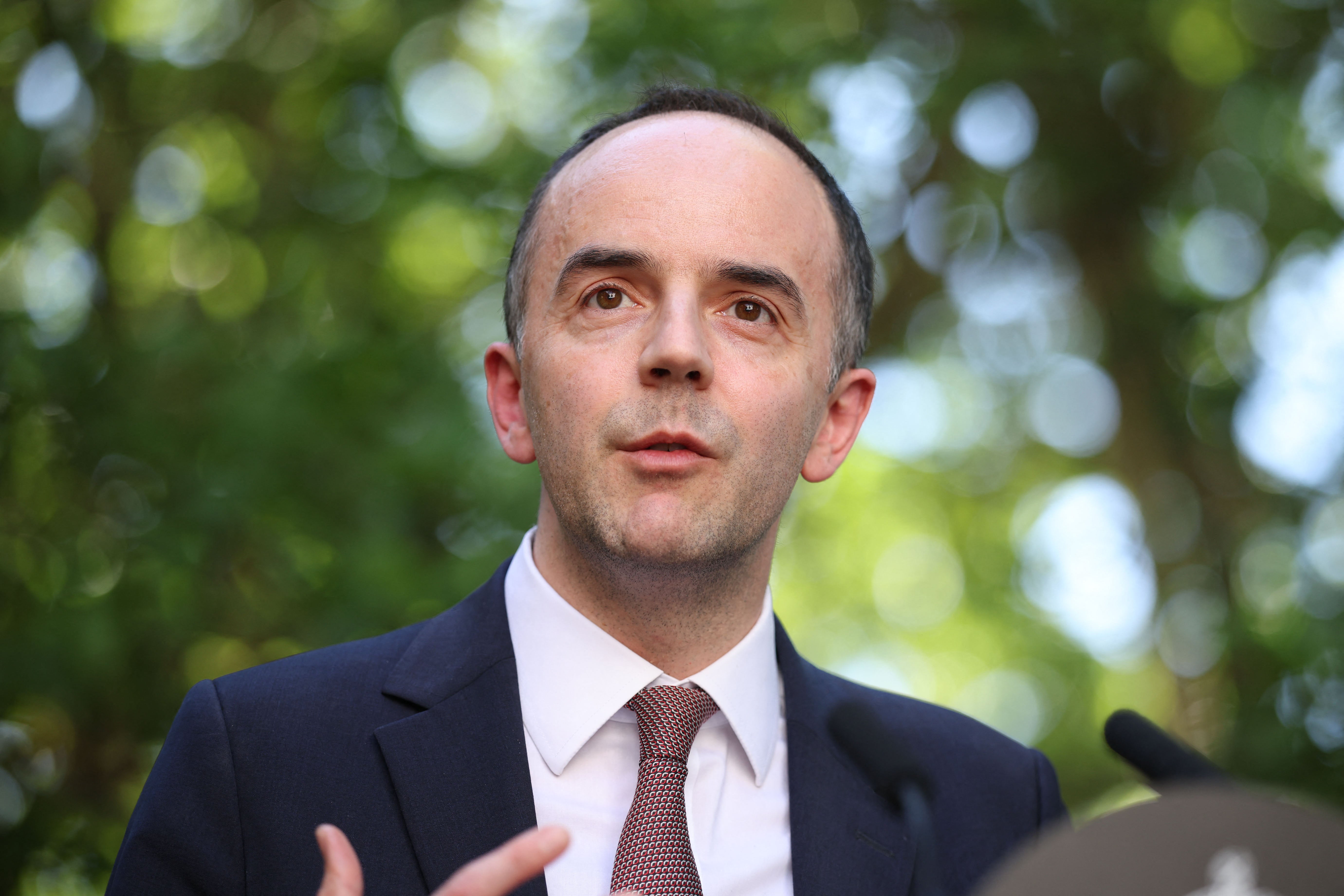
“And when people are released, they don’t get freedom. They are electronically tagged, there are restrictions on where they can go, exclusion zones about where they can attend. They are very limited in what they can do and that’s an important reassurance, which I know won’t go as far as people want to reassure them, but I hope it offers some indication of how seriously we are taking this.”
It came after Dame Nicole Jacobs said many survivors were now “being forced to make their own plans to protect themselves, including uprooting their lives, because they simply do not trust that sufficient safeguards are in place to manage their abuser safely in the community”.
“It is frankly shameful that as the scheme begins – which ministers have had months to prepare for – I still have no assurance that the danger perpetrators pose has been properly considered and assessed with meaningful input from victims and the specialist services supporting them,” she said.
Alice Russell-Harris, public affairs lead at the charity Refuge, said the failure to exempt domestic abusers from early release would put survivors at risk. She added: “Although perpetrators may be released with licence conditions, including electronic tagging and restriction zones, we know that licence conditions are frequently breached by perpetrators, and we are concerned that an under-resourced probation service will not respond swiftly enough to keep survivors from further harm.”
She added that some survivors “may have no alternative than to seek emergency refuge accommodation away from their place of residence”, with these services already under immense pressure.
Victims’ commissioner Claire Waxman said, “Confidence being projected by government is not yet matched by the reality on the ground.”
The Ministry of Justice (MoJ) has insisted that offenders will be released under the “toughest supervision in British history”.
New restriction zones will be put in place to control the movements of the highest-risk sexual and violent offenders, confining many to an area just a few miles wide, the government said.