










Want to bookmark your favourite articles and stories to read or reference later? Start your Independent Membership today.
Join today
Already a member?
Log in
“Do you have trouble walking?” could be one of the most important questions doctors could ask older patients to evaluate their mortality risk, according to a new large-scale research review.
Healthcare systems worldwide seek to find simple ways to identify older adults with a high need for hospitalisation.
Hospitals also need to assess whether their healthcare response is distributed according to need rather than social position.
Previous studies have established that grip strength, gait, and balance can predict the risk of chronic diseases in older people.
Now, a new study reveals that walking difficulty can also be a practical sign of higher mortality risk and health need.
In the research, scientists assessed data from six of the world’s largest ageing studies, including health information from older adults living in China, England, the United States, South Korea, Mexico, and continental Europe.
The studies collectively followed hundreds of thousands of older adults using comparable questionnaires, which included questions about walking difficulty.
By analysing this data, scientists could probe whether walking difficulty indeed determined health status in older people across economies, cultures, and health systems.
“Walking difficulty is inexpensive to ascertain and widely harmonisable across ageing cohorts, but its value as a denominator for healthcare equity assessment has been less well characterised,” researchers wrote.
They found that walking difficulty could be used to identify populations with substantially greater measured health need.
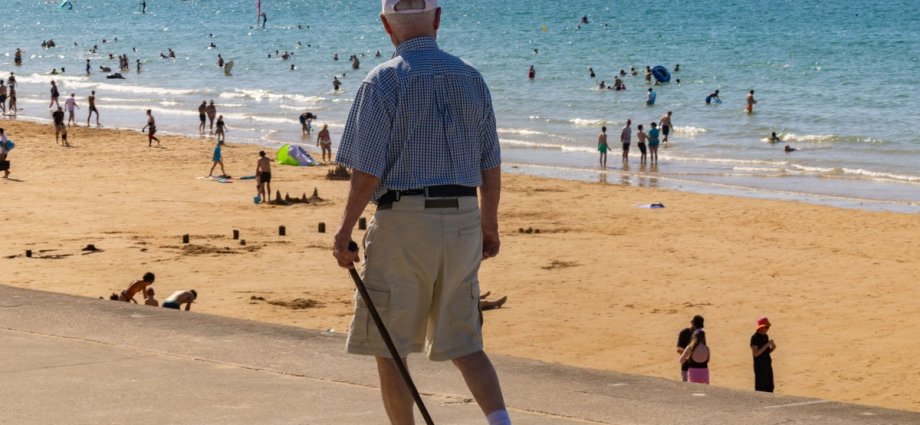
Scientists found that older adults who reported walking difficulty faced nearly double the death risk during follow-up than those who walked comfortably.
“Walking difficulty was associated with morbidity, falls, depressive symptoms, disability, and hospitalisation,” they wrote in the study published in the journal BMC Medicine.
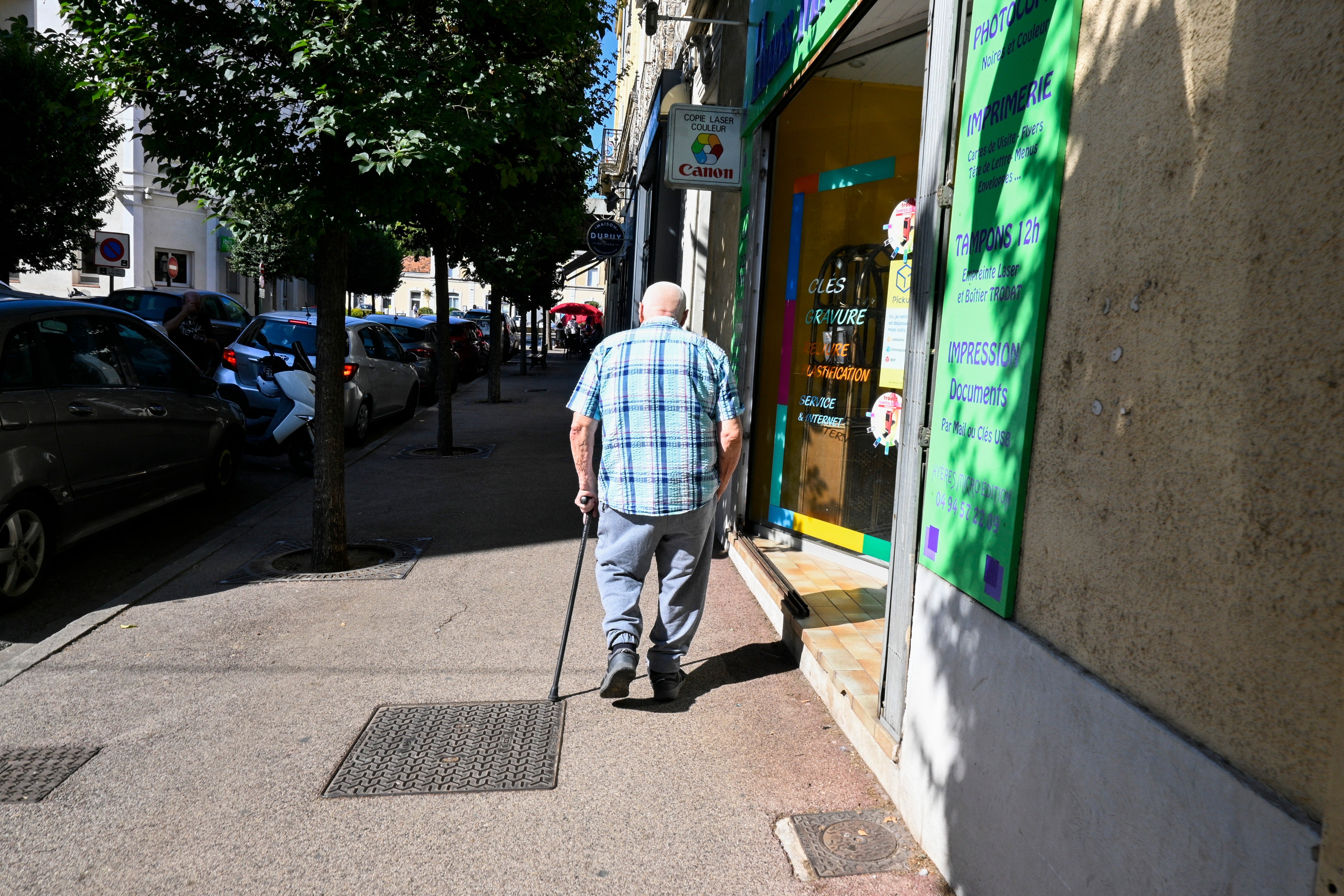
Older adults with walking difficulty also had three times the likelihood of other co-occurring health conditions, also linked to their inability to perform basic daily tasks like dressing and bathing that would enable them to live independently.
“In clinical and community-facing settings, the value of a walking-difficulty question lies in its simplicity rather than in technological precision. It can be asked quickly, requires no equipment, and identifies a group in which multi-morbidity, depressive symptoms, falls, disability, and hospitalisation are more common,” researchers explained.
However, they caution that the study does not estimate a causal effect of walking difficulty.
“Taken within these boundaries, walking difficulty offers a practical way to move from risk recognition to health-system auditing in older populations,” researchers said.
“It identifies a high-need group using a low-cost functional question and makes it possible to ask whether response among those with evident need remains socially patterned,” they explained.