










Want to bookmark your favourite articles and stories to read or reference later? Start your Independent Premium subscription today.
Subscribe
`;
document.body.appendChild(modal);
modal.addEventListener(‘click’, () => {
document.cookie=”mos-plan-select=; Max-Age=0; path=/; expires=Thu, 01 Jan 1970 00:00:00 UTC;”;
});
modal.querySelector(‘.subscribe-link’)?.addEventListener(‘click’, (e) => {
e.preventDefault();
document.cookie=”mos-plan-select=; Max-Age=0; path=/; expires=Thu, 01 Jan 1970 00:00:00 UTC;”;
setTimeout(() => {
window.location.href=”https://www.independent.co.uk/subscribe/app”;
}, 500);
});
});
Researchers have identified a new long-clawed dinosaur species with “unique features” from a fossil skeleton found in China.
Kayrasaurus changliensis belongs to a group of two-legged dinosaurs with oversized hand claws known as therizinosaurs. It is the largest dinosaur of its kind.
Previously discovered therizinosaurs show unusual features including relatively small heads, elongated necks, leaf-shaped teeth, and sharp forelimb claws.
K changliensis was identified as a separate species after a well-preserved fossil, including a nearly complete skull, was unearthed at the Jehol Biota fossil formation in western Liaoning.
The formation in northeastern China, which dates to between 135 and 121 million years ago, is known for yielding many famous dinosaurs, especially species with feathers.
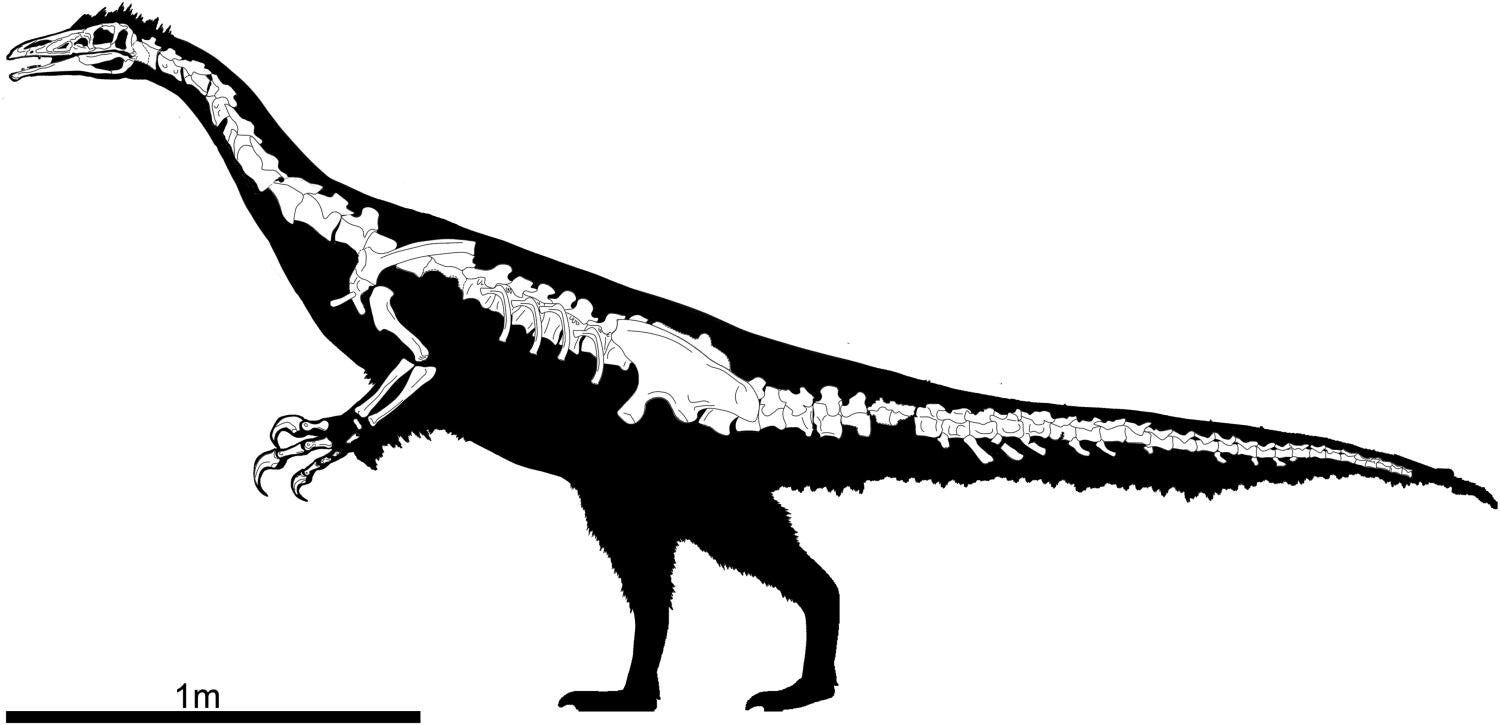
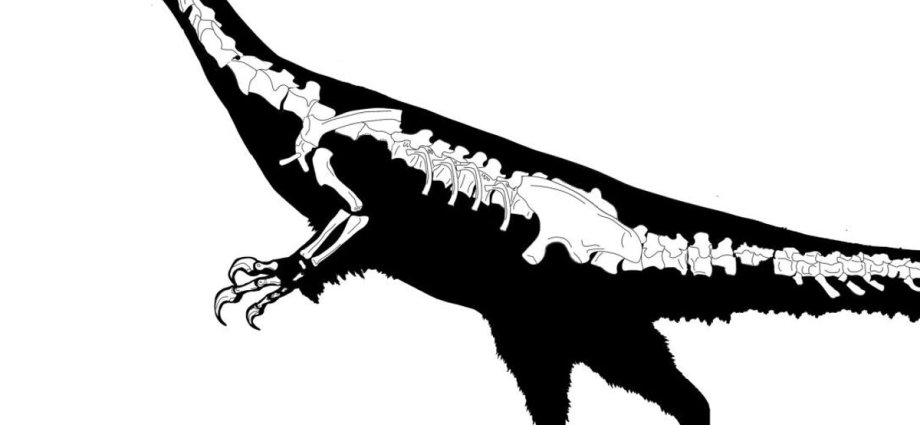
The fossil specimen of K changliensis was a subadult, measuring about 3.6m long from head to tail.
Since the fossil was lacking leg bones, researchers could only estimate the dinosaur’s weight based on comparison with its close cousins, and put it at between 117kg and 274 kg. Adult dinosaurs of the species likely weighed even more, they said.
Researchers found the dinosaur’s teeth were small and densely packed, with over 45 in the lower jaw.
It had several other strange features, such as neck vertebrae longer than those of the back and a characteristic upward-projecting “lip” on its hand claws.
“The combination of multiple unique traits in K changliensis highlights the morphological diversity of penecontemporaneous therizinosaurians in the Jehol group,” researchers said in a study published in the Journal of Systematic Palaeontology.
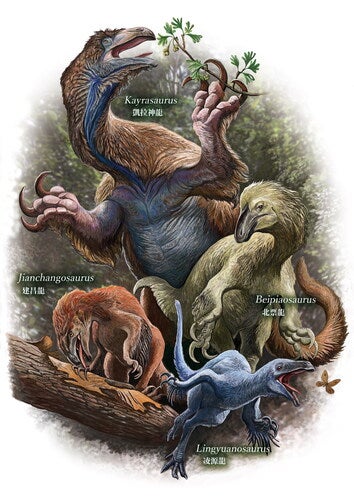
The dinosaur likely had a sturdier but less agile body compared to its close relatives, researchers said, and jaws suited for stronger bites.
“This taxon is notably larger than other Jehol therizinosaurians and exhibits a unique combination of features,” the study noted, citing extremely small and densely packed teeth, cervical centra markedly longer than dorsal centra, and a dorsally extended ‘lip’.
The discovery, according to researchers, provides “new insights into the morphological evolution and ecological adaptations of therizinosaurians in the Jehol Biota”.
They note that “further fossil discoveries and detailed anatomical studies are needed to test and refine these hypotheses”.
They also underscore the importance of “continued fieldwork, new fossil discoveries and biomechanical analyses” to better understand the origin and diversity of this enigmatic group of dinosaurs.