





Want to bookmark your favourite articles and stories to read or reference later? Start your Independent Premium subscription today.
Subscribe
`;
document.body.appendChild(modal);
modal.addEventListener(‘click’, () => {
document.cookie=”mos-plan-select=; Max-Age=0; path=/; expires=Thu, 01 Jan 1970 00:00:00 UTC;”;
});
modal.querySelector(‘.subscribe-link’)?.addEventListener(‘click’, (e) => {
e.preventDefault();
document.cookie=”mos-plan-select=; Max-Age=0; path=/; expires=Thu, 01 Jan 1970 00:00:00 UTC;”;
setTimeout(() => {
window.location.href=”https://www.independent.co.uk/subscribe/app”;
}, 500);
});
});
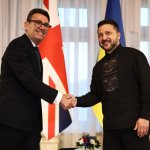
Andy Burnham has asserted that the UK “will stand firm in the face of any threats” regarding the Falkland Islands’ sovereignty, following fresh friction stoked by Argentinian president Javier Milei over the territory.
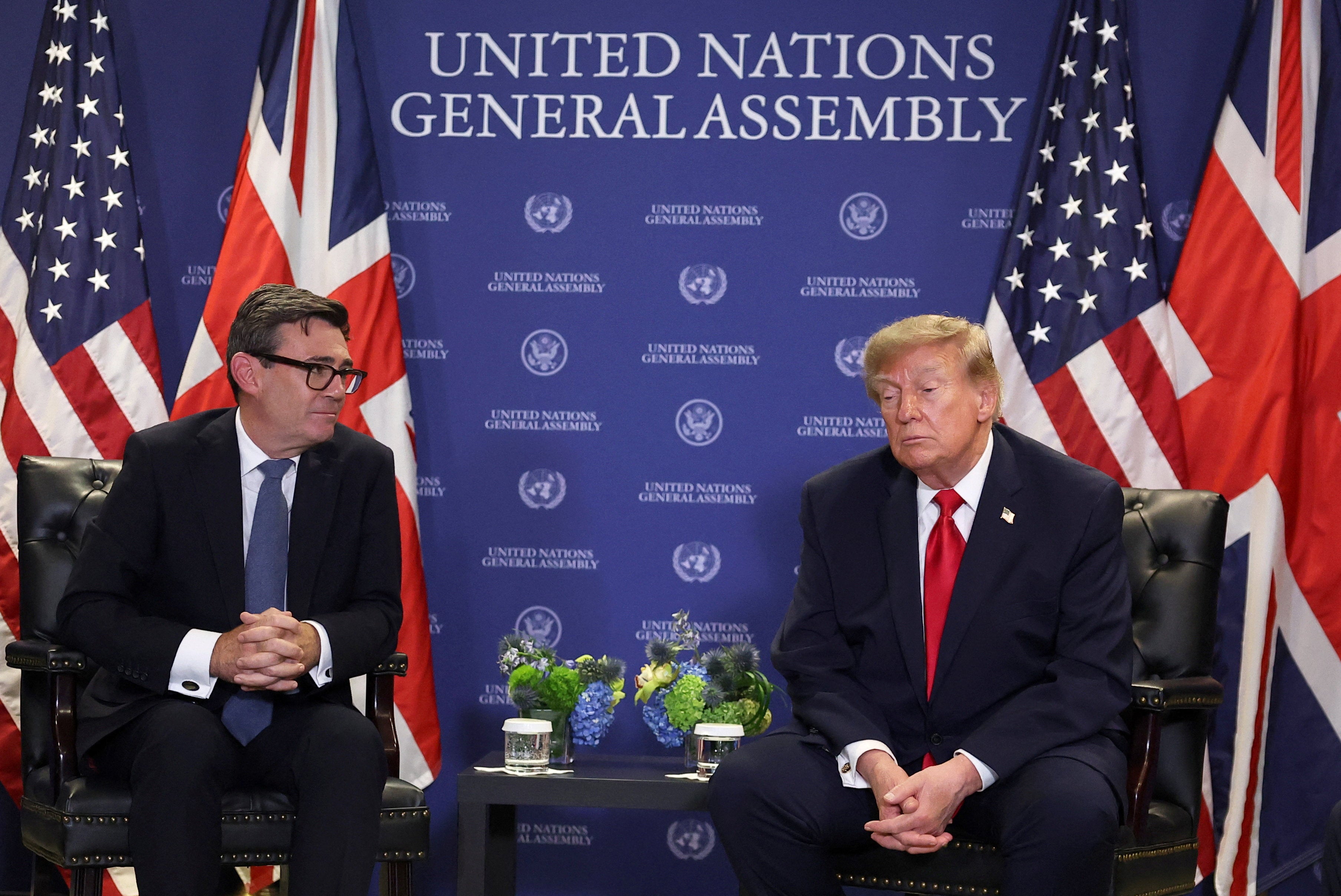
The Prime Minister addressed the situation with US President Donald Trump, who maintains close ties with Mr Milei, amidst meetings at the United Nations in New York.
Mr Burnham remarked: “I didn’t react immediately when the Argentinian president made his recent comments, but in this forum, I think it’s right for me to set out the position clearly, and the clear position is: we will stand firm in the face of any threats.
“We will defend the right of the Falkland Islanders to self-determination and to remain British.
“And I just wanted the president to know directly from me, that’s the clear British position, and he very much understood what I was saying.”
Speaking to reporters in New York, he added that Mr Trump “understood why we’ve taken that view”.
In a national broadcast, Mr Milei reasserted Argentina’s sovereignty claim, maintaining that the South Atlantic islands “are our future”.
His administration has introduced sanctions targeting individuals and businesses connected to oil exploration near the archipelago, announcing plans to initiate legal proceedings against energy firm Navitas Petroleum concerning its operations in the region.
Earlier this month, Mr Trump questioned the UK’s ability to defend the British Overseas Territory due to its domestic problems with immigration and energy.
Mr Burnham said he was using his appearance at the UN to make his position on the Falklands clear on the global stage.
“I felt this was the right place to make that clear to our partners, but also to the United Nations General Assembly.
“I didn’t rise in the moment a couple of weeks ago, but I felt I owed it to the people, obviously in the Falklands, back at home, to make the position very clear, and that’s what I’ve done today.”
In his televised address earlier this month, Mr Milei seized on suggestions that Mr Trump could reconsider Washington’s neutral stance on the sovereignty of the islands.
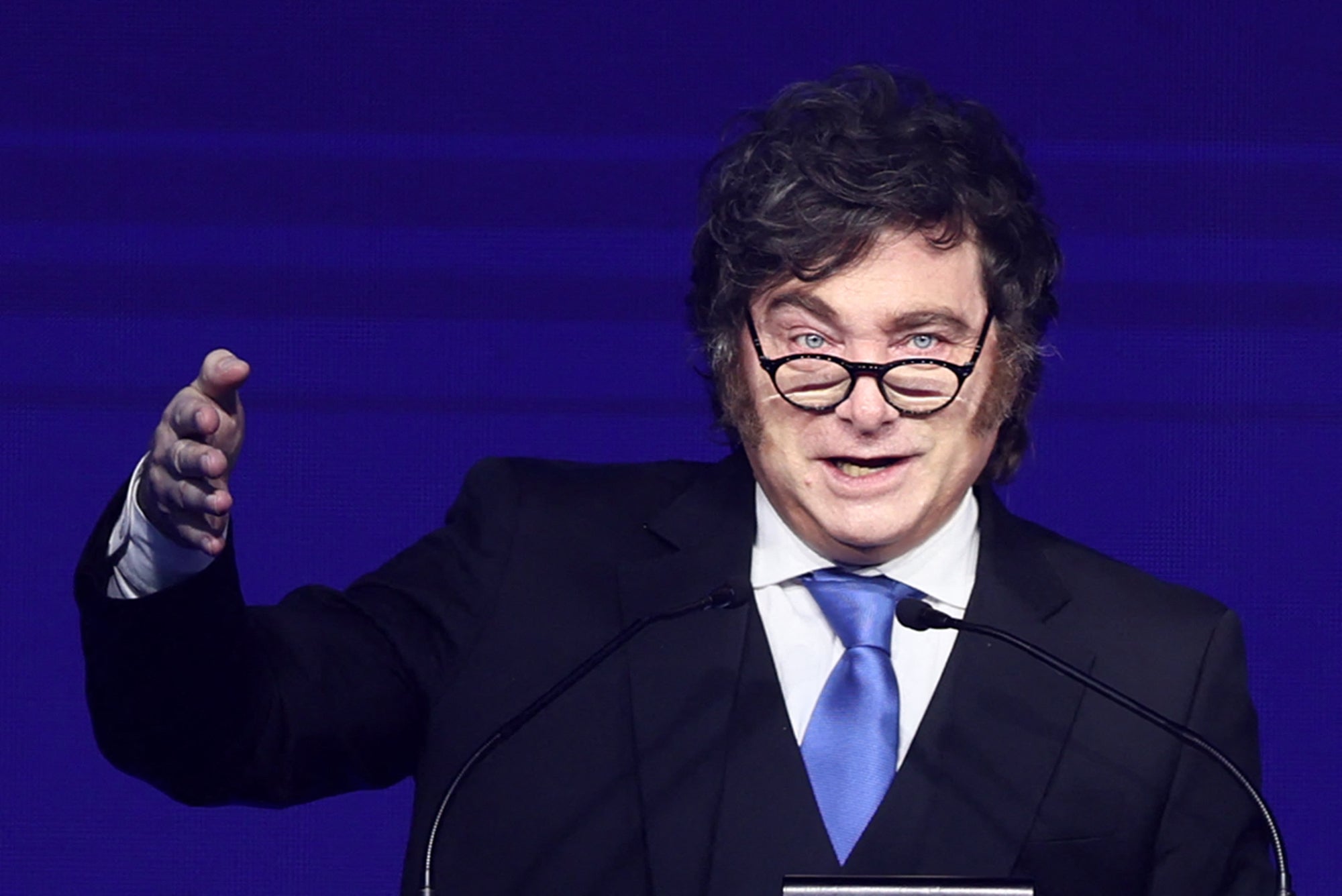
“The United States is considering this change in position because it knows that Argentina has a reliable partner, aligned with western values, in a strategically important position that can be a valuable ally in the decades to come,” Mr Milei said.
Although the US is formally neutral, Washington provided support for Britain’s campaign to retake the islands after the Argentinian invasion in 1982.
It sparked the Falklands War, which led to 255 British service deaths in just over 70 days. It also led to the deaths of 655 Argentinians and three Falkland Islanders.
During a visit to Ireland earlier this month, Mr Trump said the US would be forced to “settle” any fresh dispute over the Falklands.
He suggested the UK would not “be willing to travel that far” if Argentina invaded the Falklands again, adding it would be “weeks by boat”.
He said: “I’m not sure they’re doing that. They have a little problem with immigration.
“They have a little problem with energy and then have some other problems they have to take care of.”
He added: “I’m sure I’ll be called into that potential disaster, but if they do, I’ll probably be able to settle, settle it out.”