











Want to bookmark your favourite articles and stories to read or reference later? Start your Independent Premium subscription today.
Subscribe
`;
document.body.appendChild(modal);
modal.addEventListener(‘click’, () => {
document.cookie=”mos-plan-select=; Max-Age=0; path=/; expires=Thu, 01 Jan 1970 00:00:00 UTC;”;
});
modal.querySelector(‘.subscribe-link’)?.addEventListener(‘click’, (e) => {
e.preventDefault();
document.cookie=”mos-plan-select=; Max-Age=0; path=/; expires=Thu, 01 Jan 1970 00:00:00 UTC;”;
setTimeout(() => {
window.location.href=”https://www.independent.co.uk/subscribe/app”;
}, 500);
});
});
An extremely rare fungal infection has claimed the life of a 26-year-old man in Bangladesh after causing months of abdominal pain and a 16kg weight loss, a new case study revealed.
Doctors first suspected that the man’s persistent pain was caused by intestinal tuberculosis and Crohn’s disease.
After two colonoscopies and failed treatment for tuberculosis, they found that the symptoms were caused by the fungus Histoplasma capsulatum.
However, the disease had advanced so far before anti-fungal treatments could begin, a gastrointestinal haemorrhage claimed the 26-year-old’s life within hours of diagnosis, doctors reported in the journal Clinical Case Reports.
The research suggests that such a fungal infection can remain hidden, presenting the symptoms of much more common diseases.

Histoplasma capsulatum is mostly harmless, and only known to severely infect people with conditions that compromise immunity, such as HIV, or those taking drugs to suppress the immune system.
The fungus is endemic to the Ohio and Mississippi River valleys, and some prevalence is reported in parts of Central and South America, Africa, and regions of Asia including the Indian subcontinent.
It grows as a mould in soil enriched with bat excrement, and converts into a budding yeast form within humans.
People get infected by inhaling spores of the fungus, mostly from contaminated soil in caves, poultry farms, or construction sites.
In most people who contract the spores, infection is contained within the lungs and produces either no symptoms or some limited respiratory illness.
But in extremely rare cases, the fungus can escape containment within the lungs and may spread throughout the body in a condition called “disseminated histoplasmosis”.
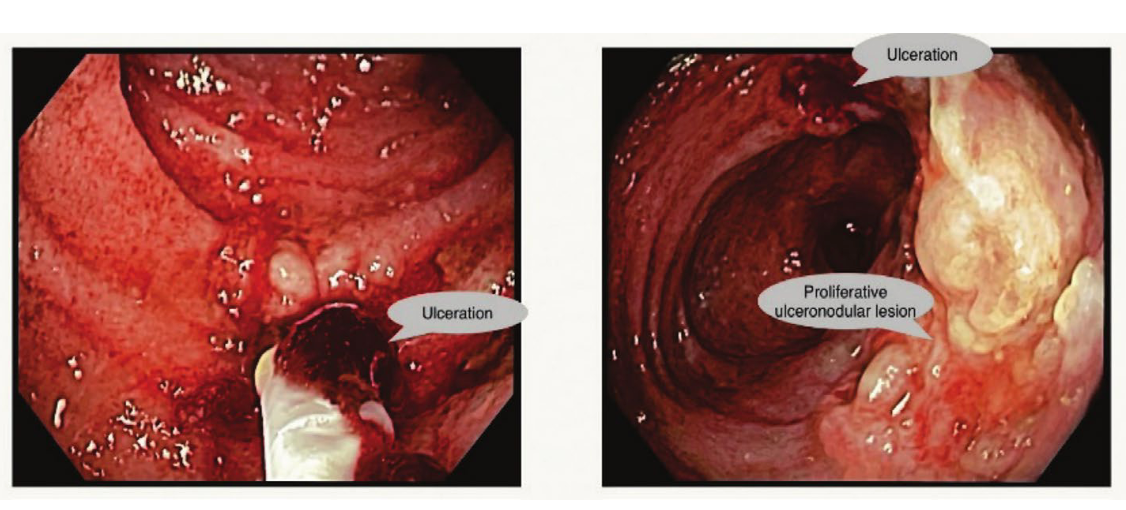
What makes the case in Bangladesh particularly intriguing is that the man was “immunocompetent”, without any conditions affecting his immune system and no history of taking immunity suppressing drugs.
The deceased patient was initially suspected to have had intestinal tuberculosis or inflammatory bowel disease due to the region’s high tuberculosis burden and his strong family history of TB.
But even after 60 days of treatment, his condition only deteriorated and he lost 16kg of body weight.
Such a case is recognised but rare, and could be due to exposure to an overwhelming amount of spores, doctors said.
It could also be due to some unrecognised immune system defect in patients, they said.
“Disseminated histoplasmosis should be considered in the differential diagnosis of ileocecal disease even in immunocompetent patients from TB-endemic regions,” researchers wrote.
“This fatal case illustrates that delayed diagnosis of disseminated histoplasmosis carries a high risk of catastrophic GI haemorrhage, which may be irreversible even after anti-fungal therapy is initiated,” they warned.