










Want to bookmark your favourite articles and stories to read or reference later? Start your Independent Premium subscription today.
Subscribe
`;
document.body.appendChild(modal);
modal.addEventListener(‘click’, () => {
document.cookie=”mos-plan-select=; Max-Age=0; path=/; expires=Thu, 01 Jan 1970 00:00:00 UTC;”;
});
modal.querySelector(‘.subscribe-link’)?.addEventListener(‘click’, (e) => {
e.preventDefault();
document.cookie=”mos-plan-select=; Max-Age=0; path=/; expires=Thu, 01 Jan 1970 00:00:00 UTC;”;
setTimeout(() => {
window.location.href=”https://www.independent.co.uk/subscribe/app”;
}, 500);
});
});
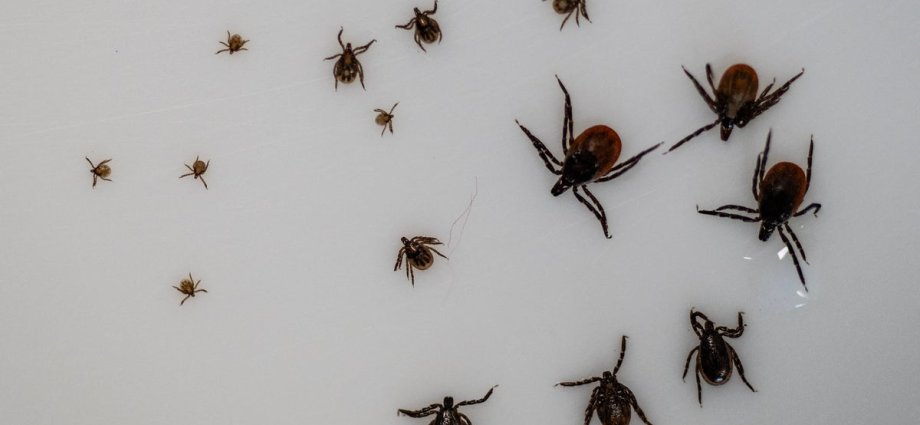
An arachnid that’s considered the worst disease-carrying bug in Europe hunts mostly at night, according to a new study that upends our understanding of the risk it poses.
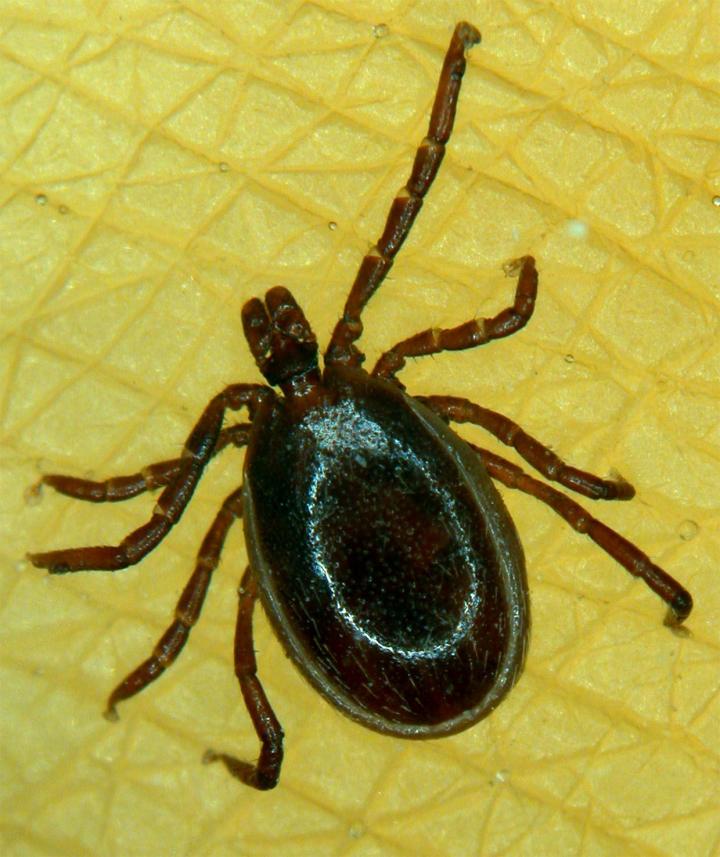
The sheep tick, or Ixodes ricinus, is responsible for spreading Lyme disease, which is characterised by an expanding oval red rash on the skin followed by fever, chills, fatigue, headache, muscle pain, nerve inflammation, and, in some cases involving children, facial palsy.
The symptoms aren’t caused by the tick but by the bacterium Borrelia burgdorferi it carries and spreads.
The tick also spreads other parasites that can cause encephalitis and a range of animal diseases.
-in-various-stages-of-their-development-(L.jpeg)
In spite of being the most important disease vector in Europe, the tick’s feeding behaviour had remained largely unknown. When over the course of a day or a year, for example, does the tick typically go hunting for blood?
The new study offers the most detailed answers yet to these key questions. It finds that the tick’s host-seeking behaviour is “predominantly nocturnal”, contrary to the belief that it bites mainly during daytime.
“This is the first study to highlight the importance of nocturnal feeding,” it notes.
The study, published in the journal Parasites & Vectors, carries “important implications for assessing the relative hazard and potential exposure to ticks and their pathogens”.
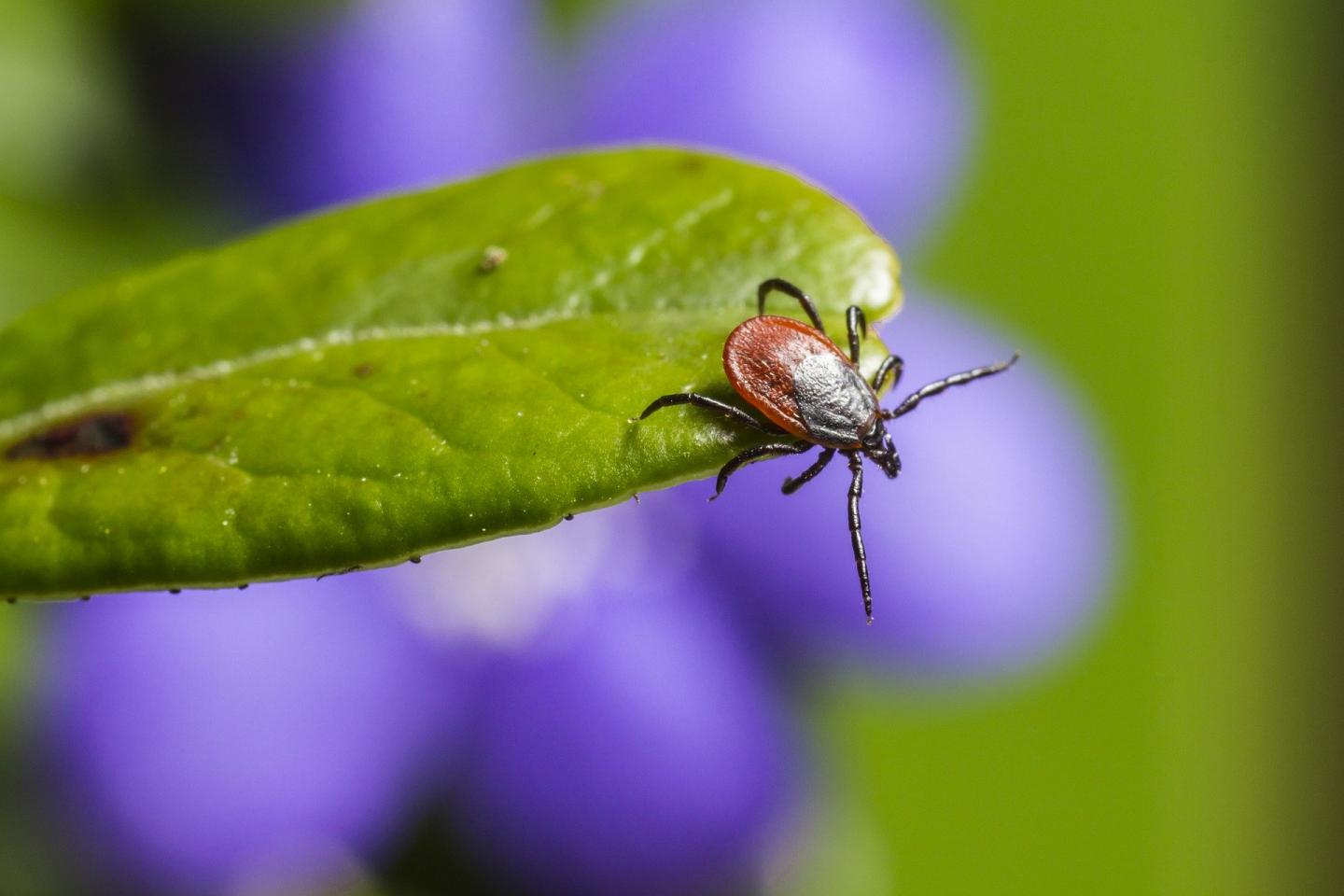
Ticks exhibit a behaviour called “questing” in which they climb up vegetation and hold on with their back legs. The arachnids then extend their front legs outward to grab a passing human or animal to latch onto and draw blood.
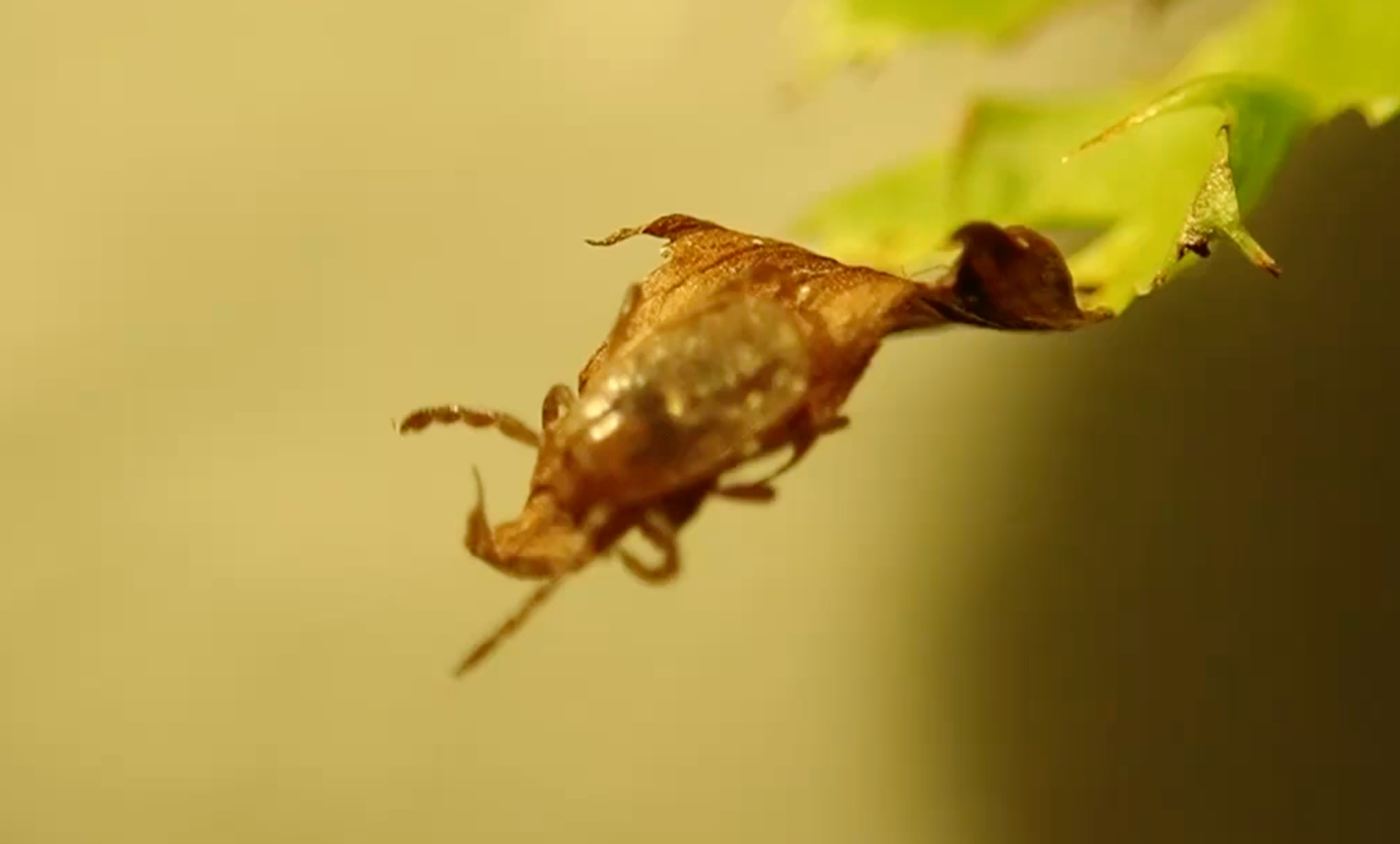
In the new study, researchers from Liverpool and Bristol conducted an intensive sampling campaign from January to December 2022 at Lyme Park, England, to understand questing in ticks. They dragged long fabric blankets across the ground every four hours to gather samples and assessed their data to find associations between tick density and environmental factors.
They found that host-seeking ticks were most abundant during dark hours, likely due to lower temperatures at night.
They caught fewer ticks during midday in the UK in May, associated with higher temperatures.
“The results of the present study suggest that during warm weather there is greater risk of tick exposure at night and around dawn,” the researchers concluded.
The night-time activity of the ticks varied based on atmospheric moisture levels. In cooler and wetter months, tick activity was distributed more evenly across the day, while dry nights forced ticks to seek refuge in soil.
This is because ticks lack efficient water-conservation mechanisms in their bodies, so they periodically rehydrate by seeking protective refuge in leaf litter or soil.
Their host-seeking tendencies are suppressed during hot, dry weather conditions.
Night-time questing in ticks likely evolved to correspond with the nocturnal activity of small mammals in the UK, according to the study.
These overlooked daily rhythms of ticks carry important implications for estimating tick abundance in surveillance programmes.
Although bites are possible at any hour, people walking in tick habitats during cool, humid evenings and at night may face the greatest exposure risk.
“For example, in the summer there are increased evening recreational activities such as camping, which would increase human exposure,” the researchers pointed out. “Our observations challenge recognised thermal limits of tick activity, indicating a potential risk of year-round exposure to ticks in temperate regions such as the UK, with elevated risk during the night and at dawn.”
The exposure risk may vary in the future as climate change alters temperature and humidity patterns across Europe. Researchers hope the experiments and observations are repeated at multiple sites, or using ticks sourced from multiple sites, to get a better understanding of their behaviour.