








Economists have warned that the UK economy is likely to have experienced a slight dip in July due to pressure from sluggish retail activity and higher energy costs for households.
Analytic teams at Investec and Pantheon Macroeconomics predict that the Office for National Statistics will reveal a 0.1% drop in monthly GDP when the official growth figures are released on September 11.
The expected contraction would mark a downbeat start to the tenure of Andy Burnham, who was appointed Prime Minister during the month.
In June, the UK economy expanded by 0.3% as hospitality and leisure businesses benefited from extended hot weather and enthusiasm surrounding football tournaments.
That surge helped push overall economic growth across the second quarter of the year to 0.4%.
However, forecasters expect a subsequent correction, noting that stronger-than-anticipated activity in June may have brought forward household expenditure from July.
Analysts at Investec commented: “After a positive first half of the year, where the UK economy actually outperformed the rest of the G7, growing by 1%, we expect the third quarter will begin with a weaker performance.
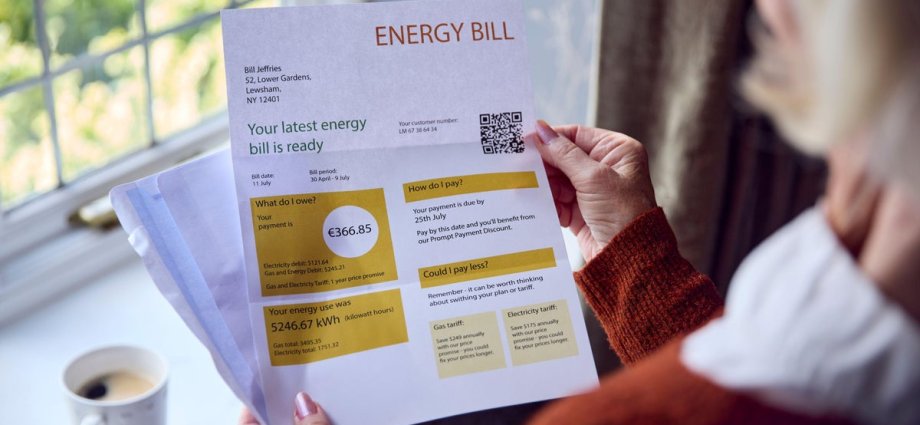
“Some evidence of this has already been seen in soft retail sales for the month, whilst we expect the rise in household utility bills due to the 13% uplift to the energy price cap would have had a dampening effect.”
Pantheon Macroeconomics’ Robert Wood also forecast a 0.1% decline in July, projecting that economic expansion will slow to 0.2% across the third quarter as a whole.
He indicated that broad areas of the services sector likely suffered downturns, creating a drag on the overall national performance.
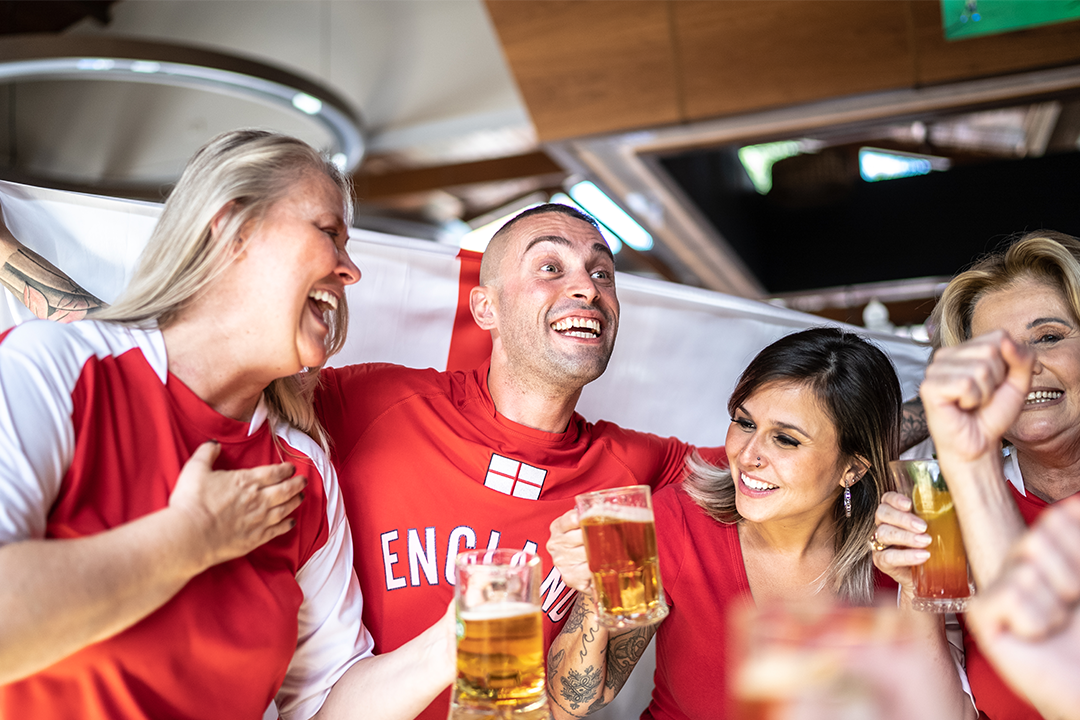
Retail and wholesale output is expected to have slipped by 0.3% during the month, though this will be more than offset by “a surge in accommodation and food services output in July” driven by hot weather and World Cup excitement.
Thomas Pugh, chief economist at RSM UK, noted: “Services are likely to have been a tale of two consumers.
“England’s World Cup run should have delivered a strong month for pubs, restaurants and hotels, but a 0.5% fall in retail sales suggests households changed where they spent, rather than opening their wallets wider, spending more money over the bar, but less at the tills.”