










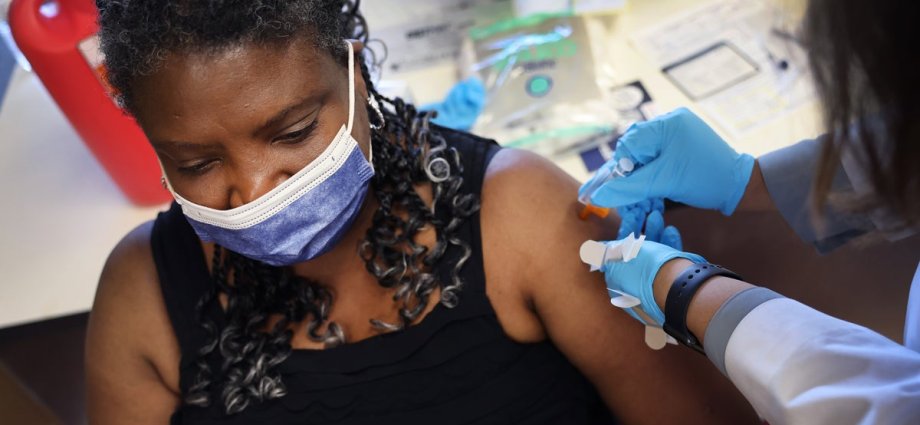
Prominent US medical organizations are encouraging the public to get updated influenza and COVID-19 shots this fall, joining forces Wednesday to publish vaccination guidelines and explain the supporting science to clear up confusion over the Trump administration’s changing guidance.
Flu vaccine rollouts are underway, and updated COVID-19 immunizations are arriving nationwide following Food and Drug Administration approval last week. Winter also brings threats from RSV, another vaccine-preventable disease, leaving many unsure about timing and eligibility for these immunizations.
Recommendations typically stem from the Centers for Disease Control and Prevention alongside its independent advisers. However, despite no new scientific data, Trump health officials began stepping back from established guidelines for autumn virus defense and routine childhood vaccines last year. That advisory panel, which helps shape state policies and insurance coverage, remains entangled in a legal dispute, while the CDC failed to answer queries regarding new fall advice.
Physician organizations are stepping up to fill the void: the American Academy of Pediatrics, American Academy of Family Physicians, American College of Obstetricians and Gynecologists, and the Infectious Diseases Society of America have all issued tailored guidance for their respective patient populations.
“There’s been a lot of confusion and chaos regarding vaccine recommendations,” said Dr. Sandra Fryhofer, of the American Medical Association.
The AMA is hosting every group’s advice and research on vaccine safety and effectiveness at SpreadTheFacts.org, ensuring “the public has clear, consistent, science-based guidance even while the federal process is in flux,” she said.
Lethal flu seasons leave unvaccinated children facing severe health risks
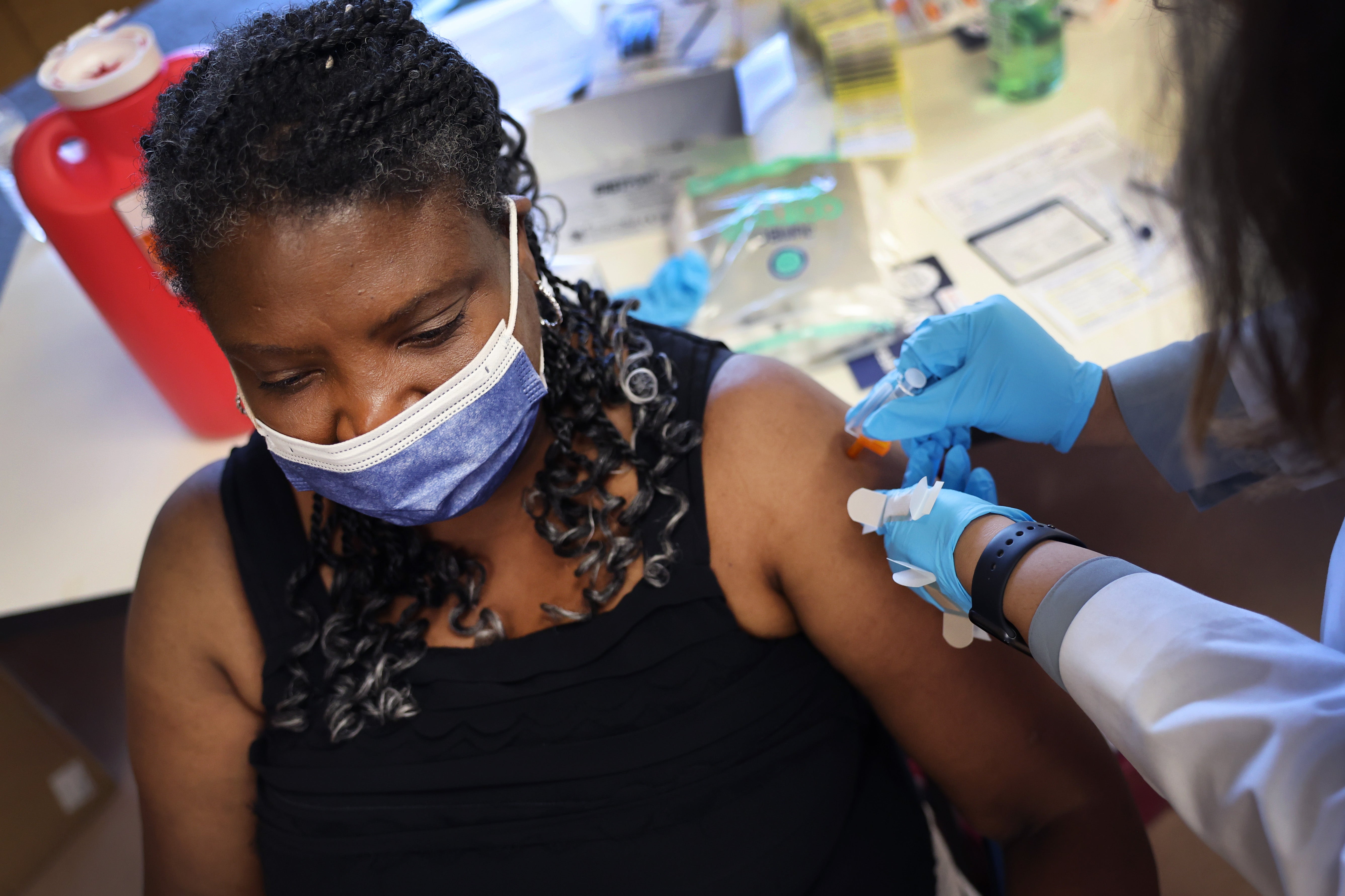
Medical societies agree that almost everyone starting at age 6 months needs flu vaccination. But flu is particularly dangerous for people 65 and older, pregnant women, young children and people of any age who have chronic health problems, including asthma, diabetes, heart disease and weak immune systems. The last two flu seasons were especially harsh, with unusually high numbers of child deaths — the vast majority of them in unvaccinated kids.
The vaccines don’t block all flu infections, but they do help prevent the worst outcomes, decreasing older adults’ hospitalizations by 31%, according to the Vaccine Integrity Project, a public health group based at the University of Minnesota. Its analysis was published Wednesday in the medical journal JAMA.
Game-changing mRNA flu vaccine hits pharmacy shelves for adults 50 and up

Older adults are encouraged to select from three “enhanced” flu vaccines engineered for stronger protection. The American Academy of Family Physicians advises picking one — “but do not delay your vaccination if that one’s not available,” said AAFP’s Dr. Sarah Nosal.
Individuals aged 50 and older have a new option this season: the first flu shot utilizing the mRNA technology that proved vital to ending the COVID-19 pandemic. Research showed Moderna’s mFlusiva was 27% more effective at preventing symptomatic illness in 50- to 64-year-olds compared to a standard dose. Following FDA approval, the company expects doses to reach select pharmacies shortly.
Those seeking to avoid shots may opt for a nasal spray, FluMist, provided they are ages 2 to 49 and meet other health criteria.
FDA narrows COVID-19 shot approval to high-risk groups as doctors urge broader uptake
Federal health agencies once advised nearly everyone to get a COVID-19 shot. But as with last year, the FDA formally approved it only for higher-risk individuals—those aged 65 and older, or younger people with at least one health condition that elevates their risk.
Still, family physicians advocate that all adults receive a COVID-19 vaccine, especially seniors and those with extra risk factors. Adults 65 and older should get a fall dose and a second shot six months later as immunity wanes, Nosal said.
The American Academy of Pediatrics advises a COVID-19 vaccine for all children aged 6 months to 23 months, and for older kids with high-risk conditions. The organization also supports vaccination for any child whose parent desires it.

With millions of doses administered, evidence shows no link between coronavirus vaccination during pregnancy and an increased risk of miscarriage or other issues, “so please get the vaccine,” said ACOG’s Dr. Christina Davidson.
Depending on age, people can select a vaccine from Moderna or Pfizer, or opt for the sole non-mRNA option from Novavax and Sanofi.
As with flu vaccines, these shots prove more effective at preventing severe illness than mild cases. The Vaccine Integrity Project reported that last fall’s COVID-19 shots cut senior hospitalizations by 53% and reduced emergency room visits for very young children.
Common side effects from flu and COVID-19 vaccines are mild and temporary, including sore arms, fatigue, headaches, muscle aches, and mild fever. These occurred slightly more often with the new mFlusiva than with standard flu shots.
Here’s where you can get vaccinated
.png)
While pediatricians and some clinics offer both flu and coronavirus shots, pharmacies are the most common option.
For COVID-19 shots, states have more pharmacy rules. For example, Walgreens says it offers those shots without a prescription in all but two states, Arizona and Oregon, but can provide doses for children as young as 3 in some states while others have higher age limits.
Medicare covers the fall shots and most private health insurers say they plan to continue doing so through 2027.
How to time your vaccination
October is ideal for a flu vaccine, as influenza typically starts spreading in November. COVID-19 tends to rise in late summer, as it is now, and again after the winter holidays. Fryhofer says it’s fine to time the coronavirus shot a few weeks ahead of an event you wouldn’t want to miss because of illness, like a special trip or get-together.
RSV is a nuisance for many, but it can be deadly for some
RSV, or respiratory syncytial virus, typically is a cold-like nuisance during the fall, winter and early spring. But it can be severe, even life-threatening, for infants and older adults.
Family physicians recommend a one-time vaccination for adults 75 and older, people 50 to 74 who are at increased risk, or younger people with weak immune systems.
They also recommend it during late pregnancy to protect infants born during RSV season. Separately, pediatricians recommend a vaccine-like medication for high-risk infants.