










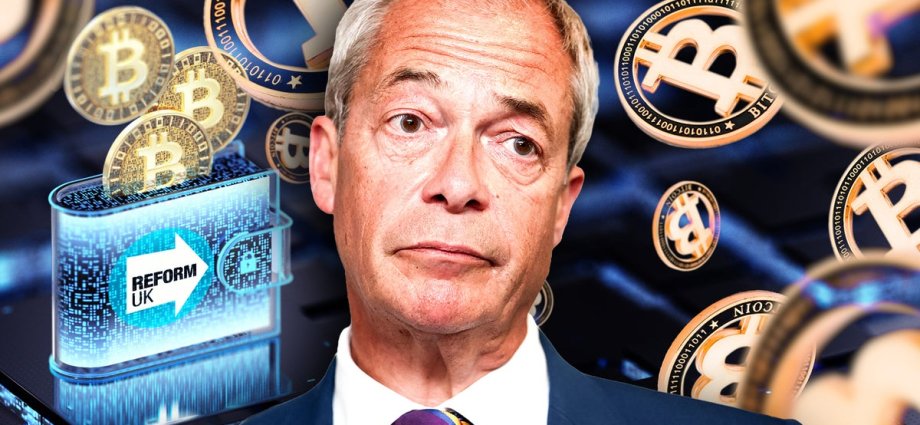
Nigel Farage’s Reform UK has received £20m in donations from cryptocurrency investors since the general election, The Independent can reveal.
An analysis of Electoral Commission data shows that a staggering 60 per cent of the right-wing eurosceptic group’s funding comes from wealthy individuals associated with the digital currency since the beginning of 2024.
The largest donations, totalling £15m, came from crypto billionaire Christopher Harborne, whose separate undeclared donation of £5m directly to Mr Farage is the subject of a parliamentary probe.
Other donors include Ben Peter Delo, the founder of cryptocurrency trading platform BitMex, who gave two £2m payments to the party this year and Maria Rost, the wife of US crypto investor John Rost, who has given nine payments worth £125,000.
Simon William Smith, a London-based bitcoin investor who founded a company which allows content creators to sell their content in exchange for Bitcoin, donated £116,000 ahead of the general election in 2024. Oscar Townsley, the founder of Bitcoin derivatives trading firm A1X, gave the party £30,000 last year.
By comparison, the Conservative Party received £82,250 in donations from Alan Eldad Howard, a hedge fund manager and crypto investor. The Independent did not identify any such donations for Labour, Lib Dems or the Green Party.
A Reform UK spokesman said: “Reform takes pride in its stringent vetting of donations and always ensures that the Electoral Commission guidelines on donations, as set out in the Political Parties, Elections and Referendums Act 2000, are strictly followed, as has been the case with all donations.”
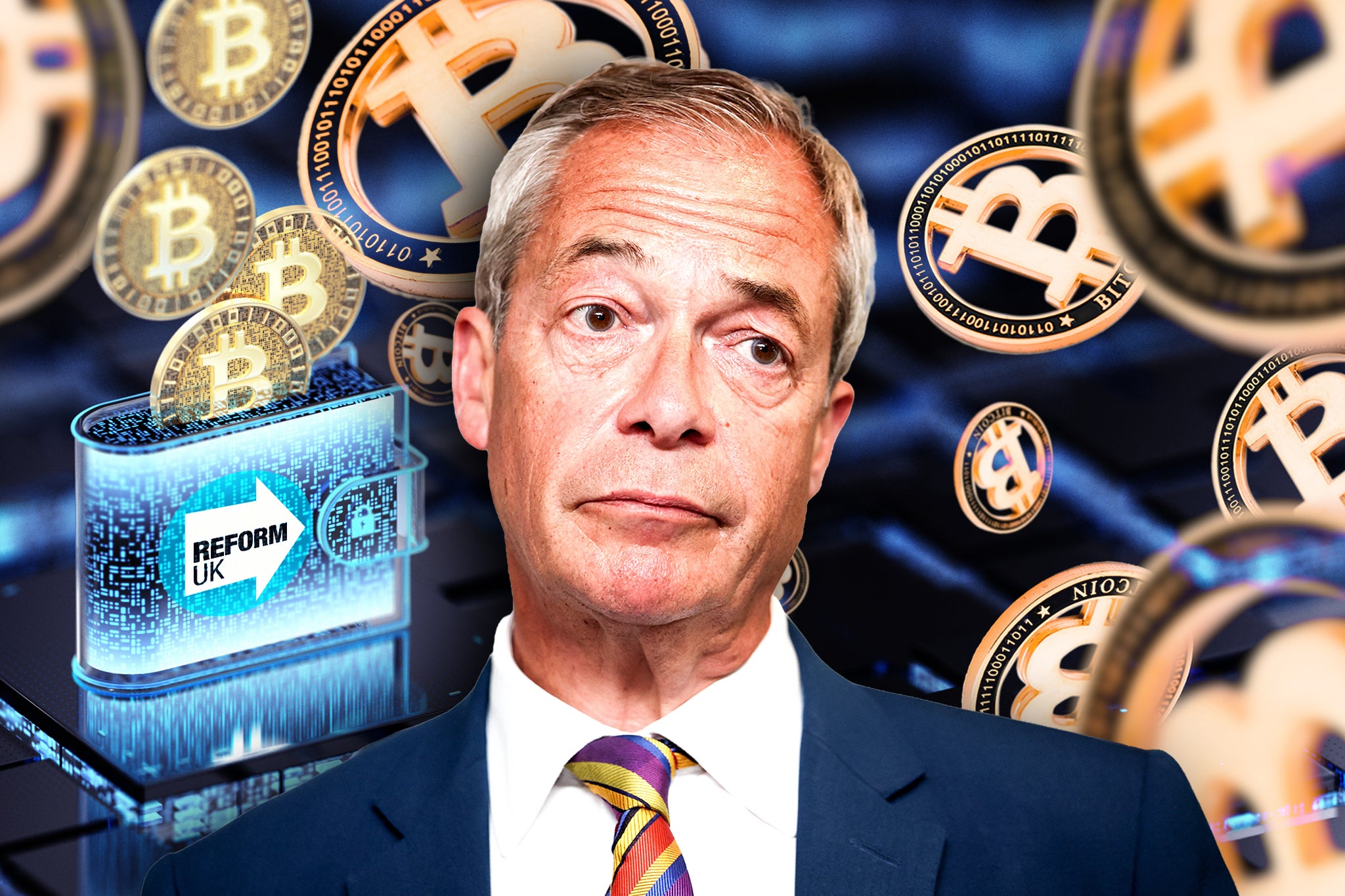
The revelations will pile further pressure on Mr Farage, who was re-elected as Clacton MP earlier this month after he dramatically quit in protest at intense scrutiny over Mr Harborne’s £5m donation, which he insists was a personal gift.
Bridget Phillipson, chair of the Labour Party, told The Independent: “Nigel Farage has spent the summer battling a bin in a desperate attempt to dodge scrutiny but people have a right to know what he’s hiding.
“He secretly took a £5m ‘gift’ from a Thai-based crypto billionaire and then promised to cut taxes for the crypto industry.
“Now it seems his party is awash with crypto cash. Farage is treating the public with contempt. With donations from a convicted fraudster and police probes into Reform’s donors and finances – it’s clear they think the rules are for other people.”
What are the other parties’ stance on cryptocurrency?
Labour has taken a strict stance on cryptocurrency, with Sir Keir Starmer imposing a temporary ban on cryptocurrency donations and a cap on donations from Britons living abroad to political parties as part of a wider government review into electoral interference. No other parties have promoted pro-crypto policies and the Greens have called for a ban on “unethical” crypto adverts in the London Underground.
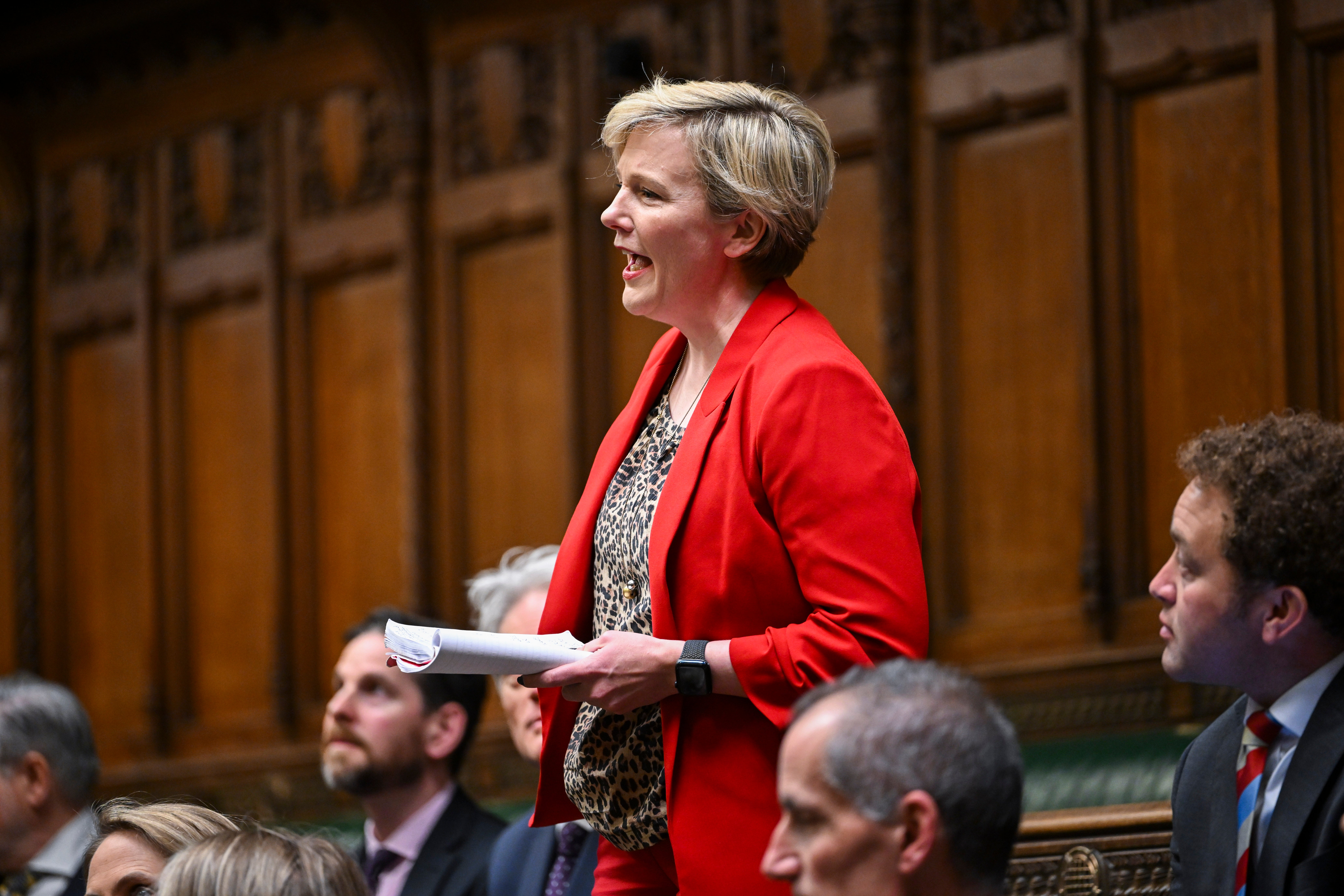
Labour MP Stella Creasy wants the government to go further and fears its cap could only create a loophole that people with British postcodes will exploit.
She is fighting for an amendment to cap donations from any individual and prevent everyone from having “an outsized influence on British politics because of the amount of money they can give”.
“I think the public should be worried full stop,” she said. “What I fear is coming is the wholesale distortion of democracy whereby a small number of disproportionately loud voices determine outcomes because of the funding they offer.
“Even if there is no connection between Mr Farage receiving substantial sums of money and his views on cryptocurrencies, the appearance of it undermines our democracy. Just as the appearance that individual donations to my own political party might be shaping outcomes, or to the Conservatives, or to the Greens, or the Lib Dems.”
She added: “But if it walks like a duck and it talks like a duck, you can see why people are squawking.”
Labour MP Catherine West told The Independent: “The late Robin Williams once suggested that politicians should wear jackets with the names of the people who are sponsoring them. In Reform’s case, it seems to be a magic cloak that disappears when difficult questions are asked.
“Ordinary people across the country need nothing less than full disclosure on who exactly is trying to buy their way into UK legislation.”

Experts have warned of the dangers of accepting such large donations from a tiny group of people, saying many will likely be seeking a “return on investment” and may be hoping to influence policy or party stance.
Tory MP Harriet Baldwin, former chair of the Treasury committee, said: “In the US, President Trump has profited personally from liberalising the rules around cryptocurrencies. It would be regrettable if the UK became a place where politicians used power over independent regulators for their own personal enrichment.”
What are Reform’s policies on cryptocurrency?
The £20m received by Reform does not include £614,000 in donations and payments from individuals and groups tied to the sector, declared by Mr Farage. He also has shares in Stack BTC, a UK bitcoin treasury.
Since the general election, he and his party have fought to liberalise the crypto market, argued against state involvement in the sector, and published draft legislation that hopes to ignite a “crypto revolution” in Britain.
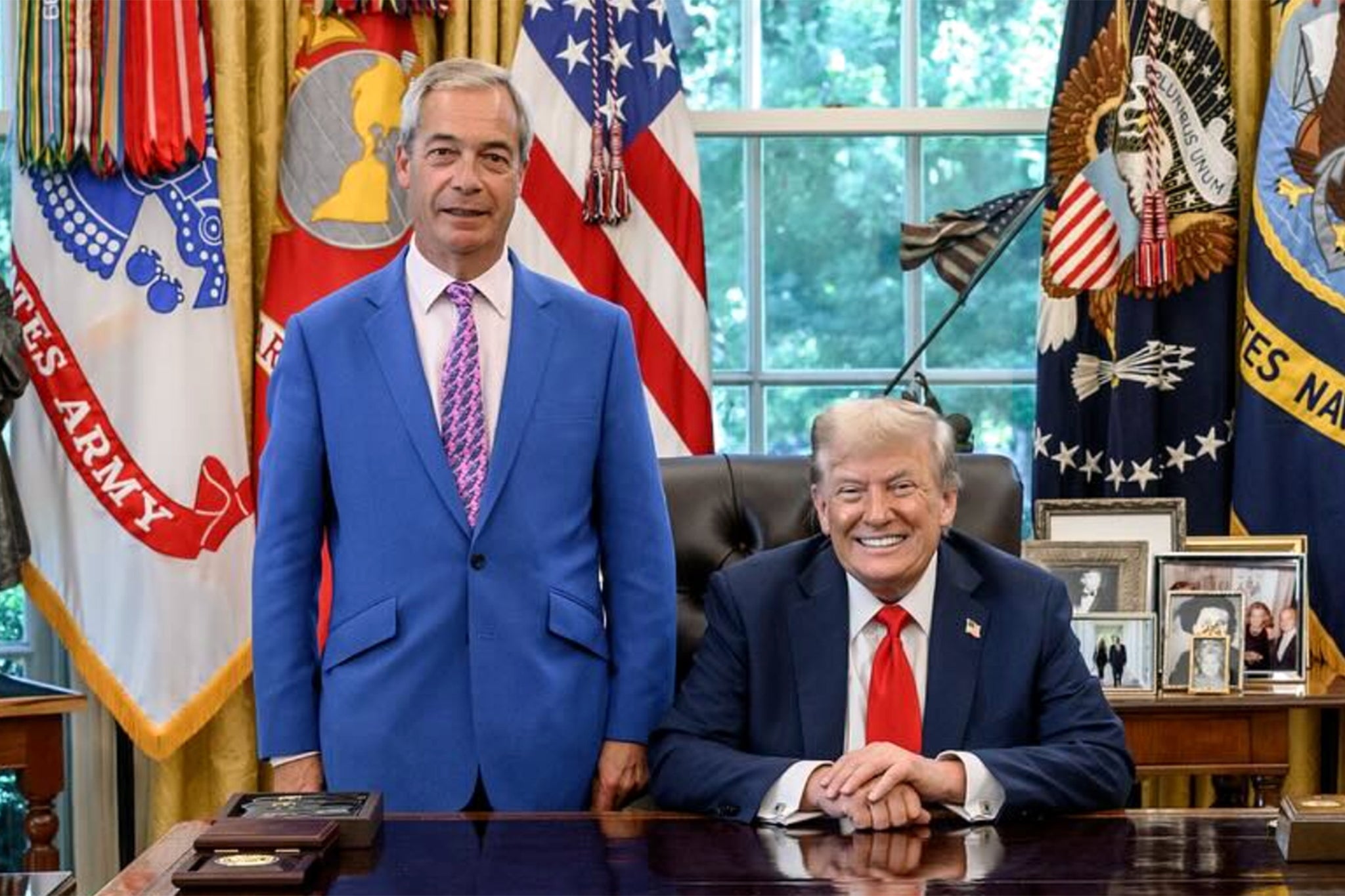
It is a stance shared by Farage ally Donald Trump who has championed the digital currency and heavily profited from crypto while in office.
The US president has unveiled several crypto-friendly policies since and made more than $1.4bn (USD) from business dealings in cryptocurrency last year.
During a bitcoin conference in Las Vegas, Mr Farage promised to enact his Cryptoassets and Digital Finance Bill if Reform won at the next general election.
The draft piece of legislation promised to cut taxes on crypto profits and create a Treasury bitcoin reserve fund. It has since disappeared from Reform’s website.
Stuart Wilks-Heeg, a politics professor at the University of Liverpool, said the large proportion of Reform’s funding coming from individuals with crypto ties was “significant”. He said individuals typically donated to parties because they have a shared ideology, want influence, or expect something in return.
He told The Independent: “These are some of the biggest donations in British political history, and it’s a sector that a lot of people have concerns about for good reason.
“The easiest party to influence in terms of policy is clearly Reform, because it’s not internally democratic. Basically, what Nigel says goes. So if you’ve got Nigel’s ear, you can shape policy.”
Sam Power, a leading expert in political financing at the University of Bristol, said the donations were essential for a party that has such a shallow funding base.
“We have never in British politics seen a party of that shape and size secure the kind of income that they [Reform] have.
“It’d be hard to look at Reform’s view on crypto and think that crypto donors backing them wouldn’t think they’ve spent their money wisely.”