











The education secretary has laid out plans to change the GCSE resit system as she pledged to end the “treadmill of failure” for hundreds of thousands of young people.
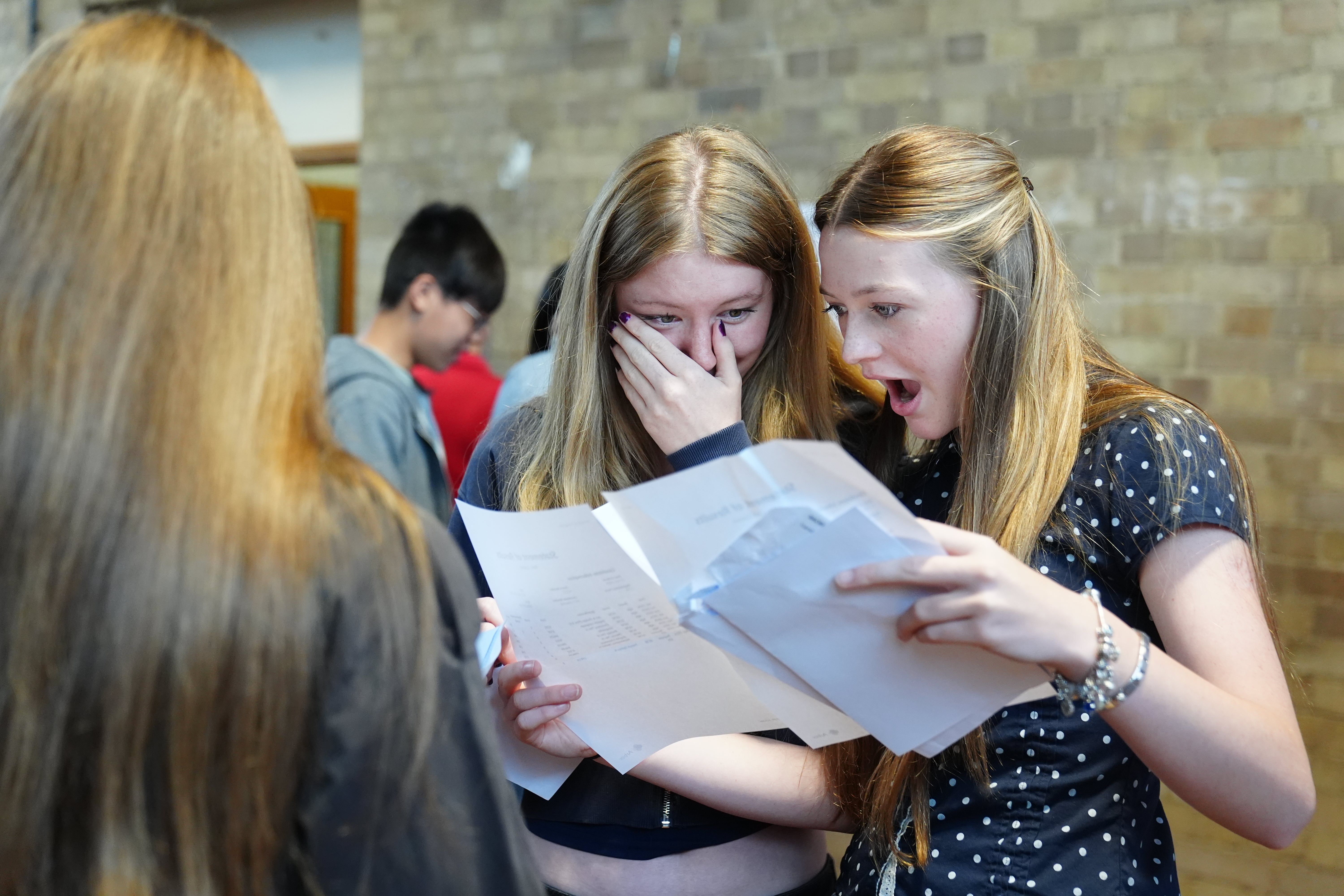
Around 200,000 young people do not score a grade of 4 or above (formerly a C) in both their English and Maths exams every year. This is nearly a third (30 per cent) of the 650,000 pupils receiving their results on Thursday.
Getting a grade 4 in the two core subjects is often a condition for starting further education or apprenticeships, meaning these students often have fewer opportunities available until they achieve a higher grade.
But only 17 per cent of pupils resitting maths increased their grade last summer, and 21 per cent of those resitting English, leading to a “conveyor belt” of resits, Lucy Powell said.
Speaking ahead of GCSE results day, she added that the qualification should be a “passport to the future” for Britain’s children.

Instead it is “one of the most pernicious examples of the education system setting kids up for a cycle of failure: the number constantly resitting English and maths”, she told The Times.
Under proposed changes, more pupils who receive a grade 2 or below will be steered towards new stepping-stone qualifications which will enable them to demonstrate their numeracy and literacy skills to employers and colleges.
These would be known as Level 1s, with those who pass them being able to build up to GCSE resits whilst still being able to move forward in education or work.
This would stop teenagers being “thrown straight back in” to resits, Ms Powell said.
Her comments come after Andy Burnham announced major changes to England’s education system last month with plans to tell schools to adapt their curriculum to fit the needs of local business.
The proposals look to shift the education system’s focus away from university and more towards vocational skills, with the prime minister saying that he wants the country to value “the hard hat as much as the graduation cap”.
From September 2028, it will unlock a new route for young people from age 14, when they will be able to pick a pathway that links core subjects with technical education linked to jobs available in their area.
Speaking about the government’s approach to education, Ms Powell said: “Some of that sits in the context of the Alan Milburn review and one thing that comes through quite strongly is the treadmill of failure of GCSE English and maths.
“It’s a hamster wheel with many young people constantly being branded a failure and having to resit. It leads to a debilitating loss of confidence.”
The education secretary also indicated that the government may look at changing the curriculum further.
“We want young people to have that deeper understanding in literacy and numeracy but across a range of subjects,” she commented, which could mean “reducing the breadth of the curriculum sometimes”.