









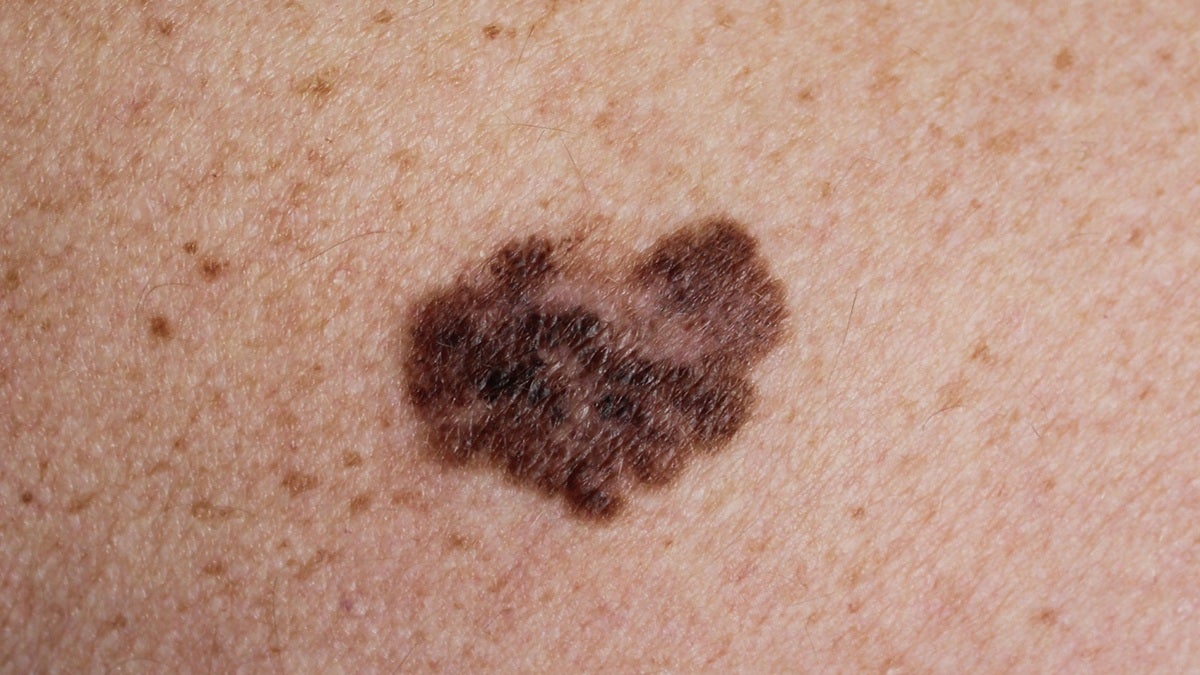
An experimental mRNA cancer drug has been found to stop the spread and return of melanoma for the first time, a potentially game-changing breakthrough for people with life-threatening skin cancer.
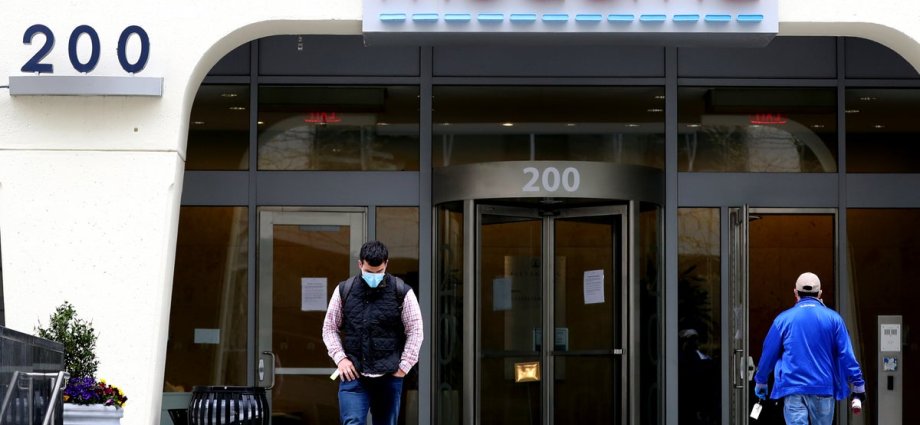
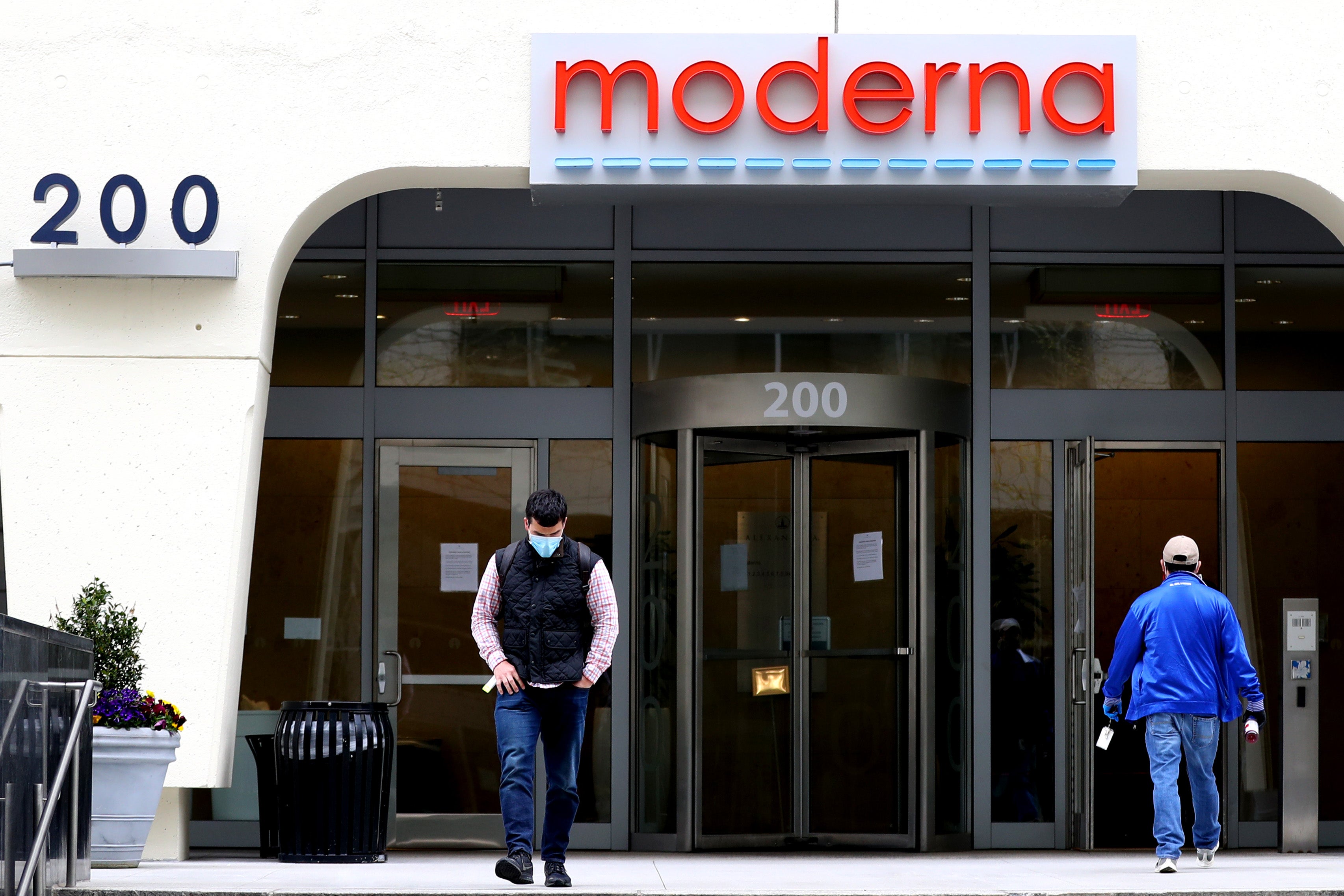
The vaccine called intismeran, which is personalized for each patient, succeeded in preventing melanoma from coming back or spreading in people who had surgery to remove the cancer when combined with another cancer drug Keytruda, the drugmakers Merck and Moderna announced Wednesday.
“These Phase 3 findings represent a pivotal moment for the field of cancer research,” Moderna CEO Stéphane Bancel said in a statement. “Together with Merck, we have started to demonstrate the transformative potential of this technology to address critical unmet needs in the adjuvant melanoma setting.”
Melanoma is the deadliest form of skin cancer. About 112,000 new melanomas are expected to be diagnosed in the U.S. this year, and more than 8,500 Americans will die, according to the American Cancer Society.
Only around a third of patients with the worst form of the disease live for five years after diagnosis, researchers say.
The companies did not say how long patients taking the drug combination lived without their cancer progressing. More details are expected to be shared at a medical conference later this year, according to The Wall Street Journal.
The trial included more than 1,000 patients who either took a combination of intismeran and Keytruda or just Keytruda for nearly a year.
Previous trials using the drug cut the risk of recurrence or death nearly in half compared with just taking Keytruda.
It remains to be seen when doctors could access the drug combo, Dr. Nina Bhardwaj, Director of Immunotherapy at the Icahn School of Medicine at Mount Sinai, told The Independent.
But Merck and Moderna are also studying the vaccine in trials for other forms of cancer, including lung, bladder and renal cell carcinoma.
“This is an exciting time for cancer immunotherapy. Vaccines are likely to make a difference in certain settings where the cancer burden is low,” Bhardwaj, who is also the Ward-Coleman Chair in Cancer Research at the school, said.
The bespoke approach to tackling patients’ tumors is an “important advance” toward more precise cancer drugs, Dr. Karen Knudsen, the chief executive of the Parker Institute for Cancer Immunotherapy, explained to The Independent.
“The underlying biology is compelling, and the study provides clinical validation for combining tumor-specific immune priming with checkpoint blockade therapy. This is representative of the next frontier of cancer immunotherapy, which is not just activating the immune system but ‘teaching’ it what to attack,” she said.
However, Knudsen, who is a former chief executive of the American Cancer Society, said questions still remain about the drug’s abilities.
“It will be important to understand the absolute benefit and overall survival data. Longer follow up is needed to determine whether enhanced tumor specific immunity actually translates into durable prevention of recurrence and metastatic disease,” she added. “If the results hold on longer term evaluation, the study is poised to have significant ramifications for the use of neoantigen-driven, mRNA-based therapies to prevent recurrence in other cancer types.”
This is a breaking story. Please check back for updates.