








When you think of the album that everyone was talking about last year, only one springs to mind: Lily Allen’s eviscerating marriage post-mortem West End Girl. It’s the album that lit up WhatsApp groups around the country, made jaws drop with the sheer bluntness of it all, and may just have inspired more than one woman to ditch their husband. So why, I want to know, is it not on this year’s Mercury Prize shortlist?
The snubbing of the British pop artist’s career-best work – a blistering, jaw-dropping, skin-pinchingly brutal narrative of a marriage in freefall – is one of the industry’s most spectacular fumbles in some time. Especially when it comes to women in music, the UK has a depressing reputation for failing to champion its own artists until they’re a success elsewhere. But Allen being left out is especially surprising, given it was one of the most critically lauded records of 2025, charting at No 2 in the UK and nominated for Album of the Year at the 2026 Brit Awards.
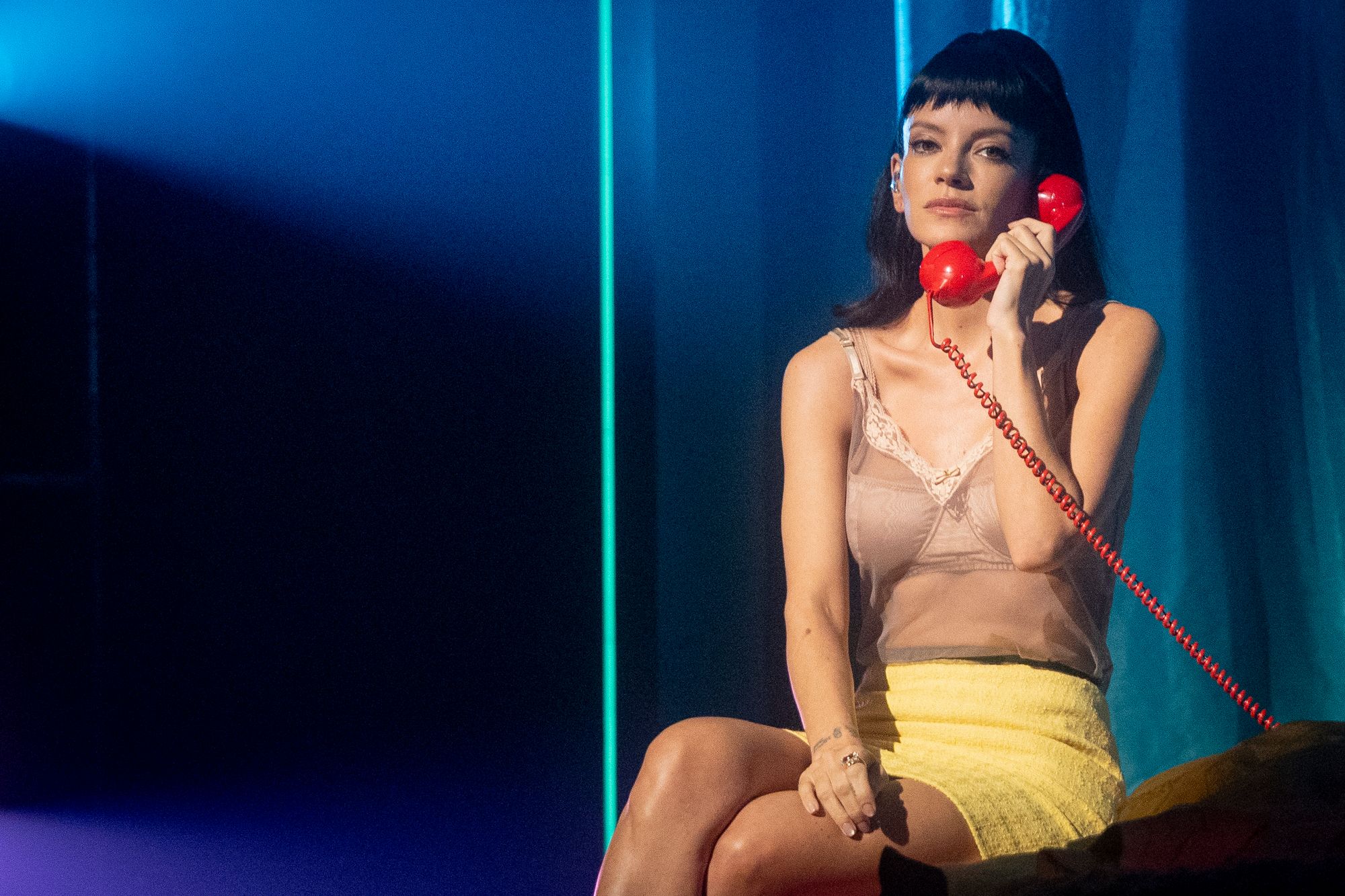
West End Girl was also the discourse for weeks if not months around its release thanks to its raw studies of non-monogamy, infidelity, betrayal, sexual rejection, loneliness, gaslighting and, erm, more betrayal. With the exception of Rosalía’s Lux and Olivia Rodrigo’s You Seem Pretty Sad For a Girl So in Love, neither of which were eligible for the Mercury Prize, West End Girl is the album that dissects all of our anxieties around the idea of the “modern” relationship and lays them out on the mortuary slab.
Just think of the perky opener “West End Girl”, in which Allen lays out her scene. She’s just won the lead in a play, she’s packing her bags! But she closes with a subdued phone conversation: her partner wants an open relationship. Then comes the suspicion of “Tennis” as she unwittingly sees an incriminating text; her squaring up to “Madeline” (“how long has it been going on?”), the mental health spiral of “Ruminating”. These were songs that became TikTok memes, Instagram profiles, and Halloween costumes. The “bewildered and wounded” Allen delivered, as critic Hannah Ewens said in her five-star review for The Independent, an “emotional post-mortem carried out in public, a death-by-a-million-cuts account of a thoroughly modern marriage breakdown”. It was perfect.

So how does a snub like this happen? Artists and their teams submit themselves for the prize, so there is always the possibility that Allen didn’t put herself forward. Given she was previously shortlisted for her 2018 album, No Shame, though, I find that hard to believe, given her evident pride in making such a masterpiece in just 10 days, and her joy at the rapturous reception it received. The shortlist is chosen by a panel of industry “experts”, among them critics, radio DJs and musicians who have, in recent years, strayed towards more commercial picks.
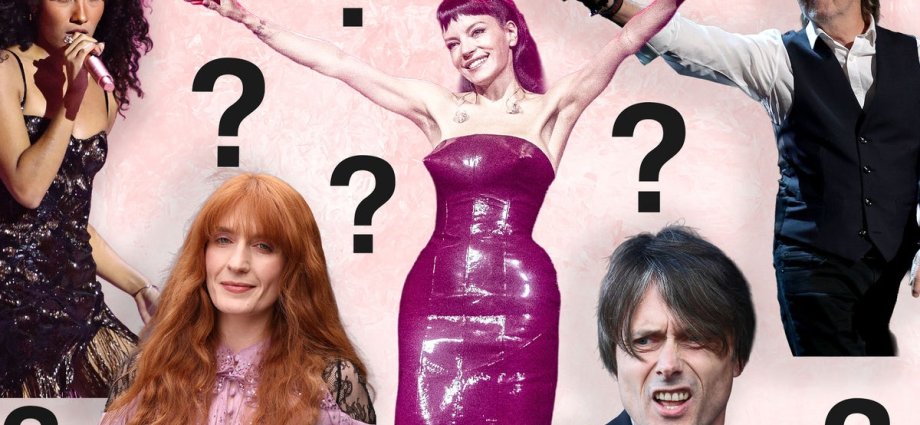
Shortlisted this year are Olivia Dean’s breakthrough album The Art of Loving (she was also nominated for her 2023 debut, Messy), The Boy Who Played the Harp by former winner Dave, JADE’s debut solo album That’s Showbiz, Baby, and RAYE’s This Music May Contain Hope. Paul McCartney received his first nomination for The Boys of Dungeon Lane, while Britpop stalwarts Suede are up for what many critics felt was a late-career high, Antidepressants. All very safe picks while, perhaps, Allen’s album was too knotty for some of the judges?
One glaring throughline for many of these shortlisted albums is that they are cases of the artist (or band) doing what they’re good at. Dave is deep and introspective, McCartney is sweetly nostalgic, Florence and the Machine are witchy and at gale-force volume. They do all of that very well. But in terms of artistic achievement, a case of an artist putting everything they had on the line, Allen was someone who really went there. She demonstrated how far she’s come from the bratty, day-glo-eyeliner-wearing artist we grew up with (and loved). Failing to acknowledge her for that feels like a real self-own.