










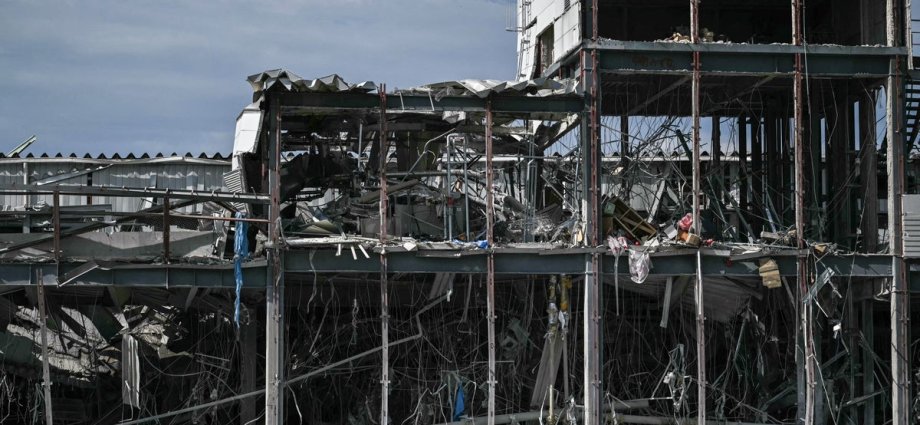
The devastating 6.8-magnitude earthquake that struck southwest Japan’s Kumamoto on Tuesday, killing 13 people and injuring hundreds, resulted from a relatively rarer type of inland seismic activity, scientists say.
At about 4.27pm local time, the quake struck the island of Kyushu in southern Japan, with its epicentre traced to Kumamoto Prefecture.
The shaking and subsequent damage to public infrastructure left hundreds of people injured, and shoppers were left trapped at a mall in the town of Kashima as the building’s second floor collapsed.
Japan experiences frequent earthquakes as it sits on the nexus of several major tectonic plates, and is cut by many shallow faults.
Seismologists at the US Geological Survey (USGS) soon reported that the devastating quake occurred as the result of shallow strike‑slip faulting.
Usually, earthquakes in Japan occur on or near one of the two great subduction zones that run offshore Japan’s eastern coast.
In these cases, two of Earth’s tectonic plates collide, causing the denser plate to dive beneath the lighter one, triggering massive quakes, volcanic eruptions, and tsunamis.
In contrast, the Tuesday quake was triggered inland, by what are called thrust events, in which forces push one block of rock upward and over another.
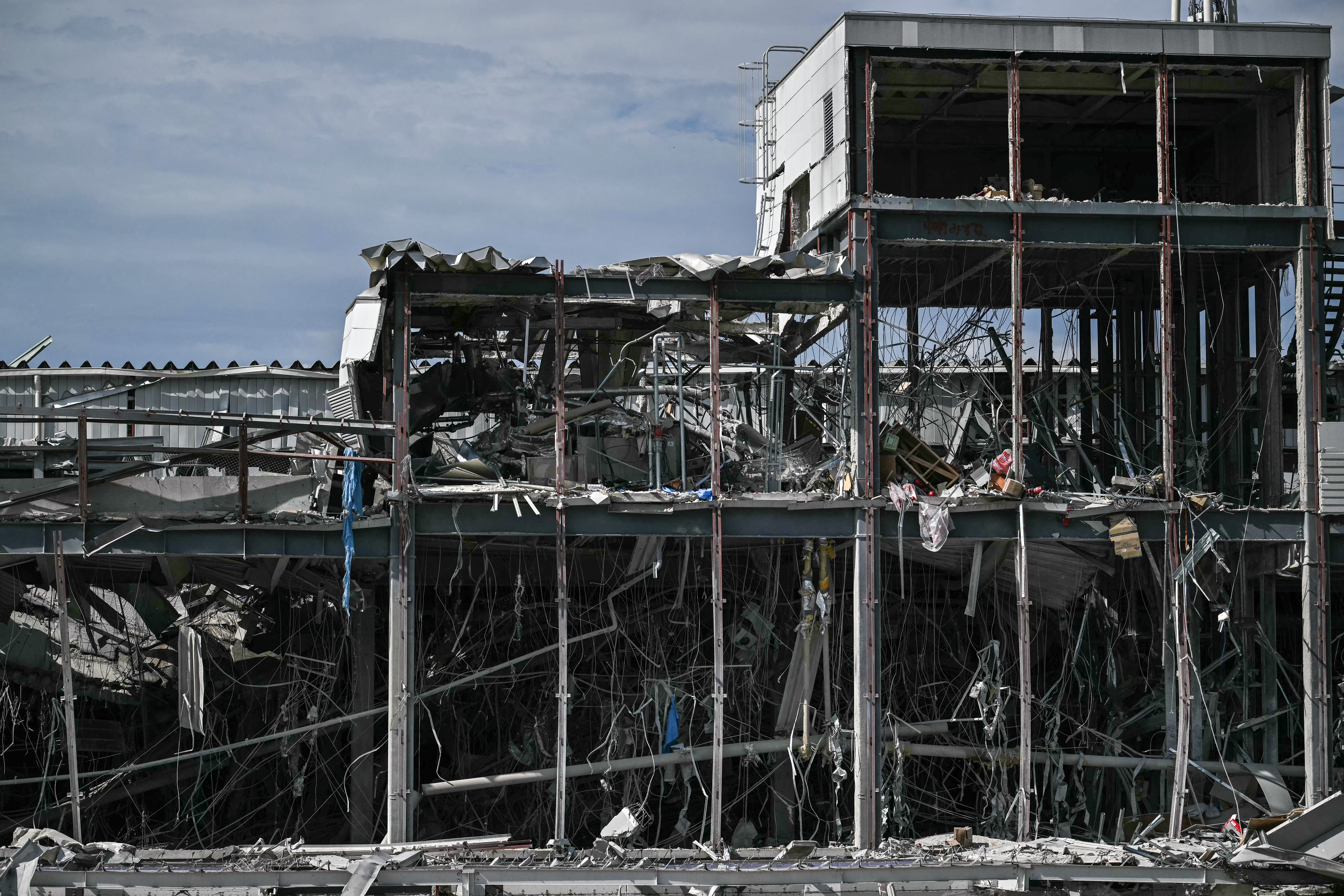
It resulted from shallow seismic activity on land, say prominent earthquake scientists Judith Hubbard and Kyle Bradley.
“These earthquakes are smaller than the great subduction events, but because they are closer to population centres, can cause severe shaking in the places that matter most,” the seismologists write in their newsletter Earthquake Insights.
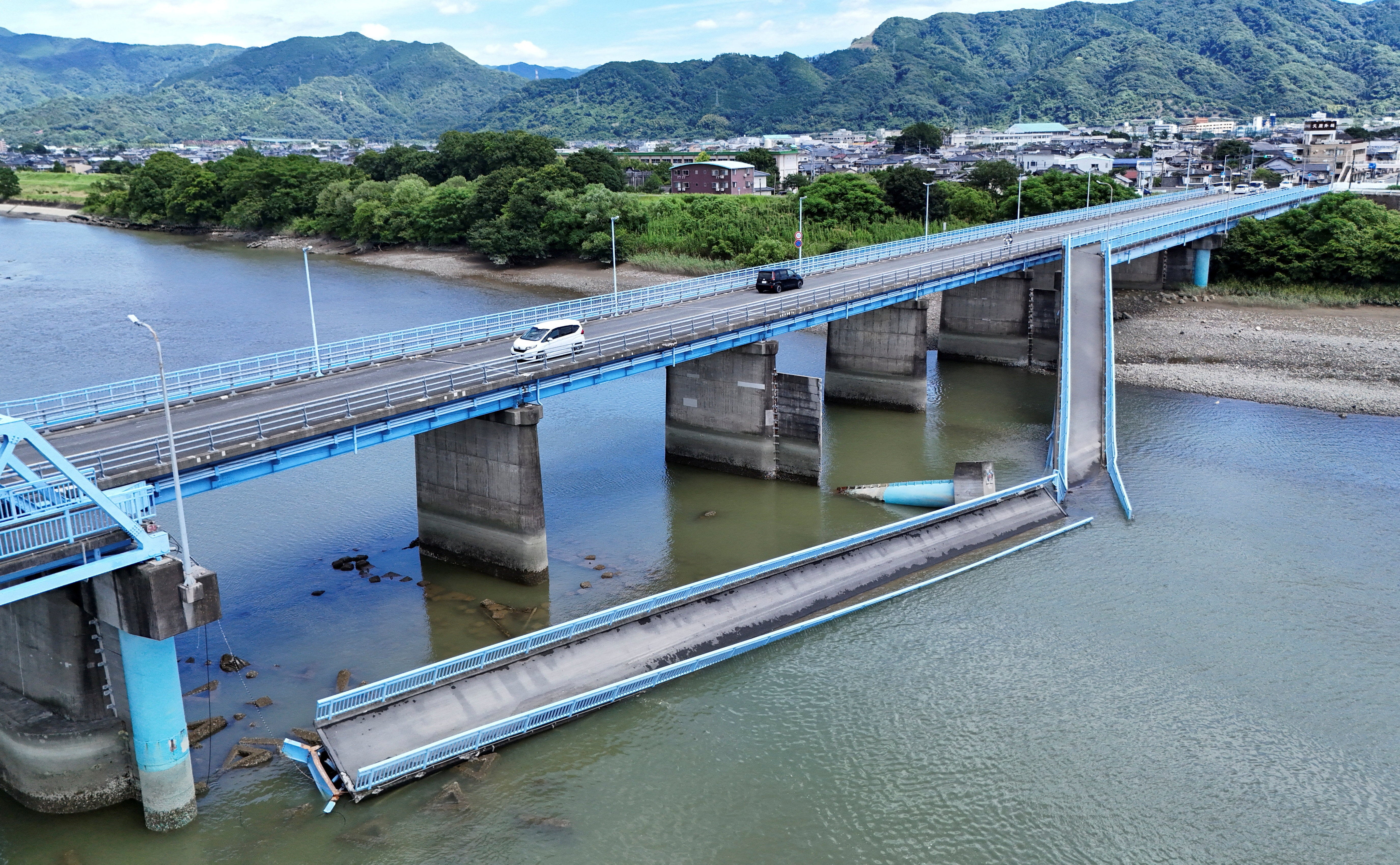
Scientists found that the earthquake occurred several hundred kilometres northwest of the Ryukyu Trench, where the Philippine Sea tectonic plate begins its northwestward subduction beneath Japan and the Eurasia plate.
But the shallow depth and faulting style indicate that this event occurred within the upper Eurasian tectonic plate, USGS said.
“At this location, the Philippine Sea plate converges with the Eurasia plate toward the northwest at a rate of 58 mm per year,” the American agency explained.
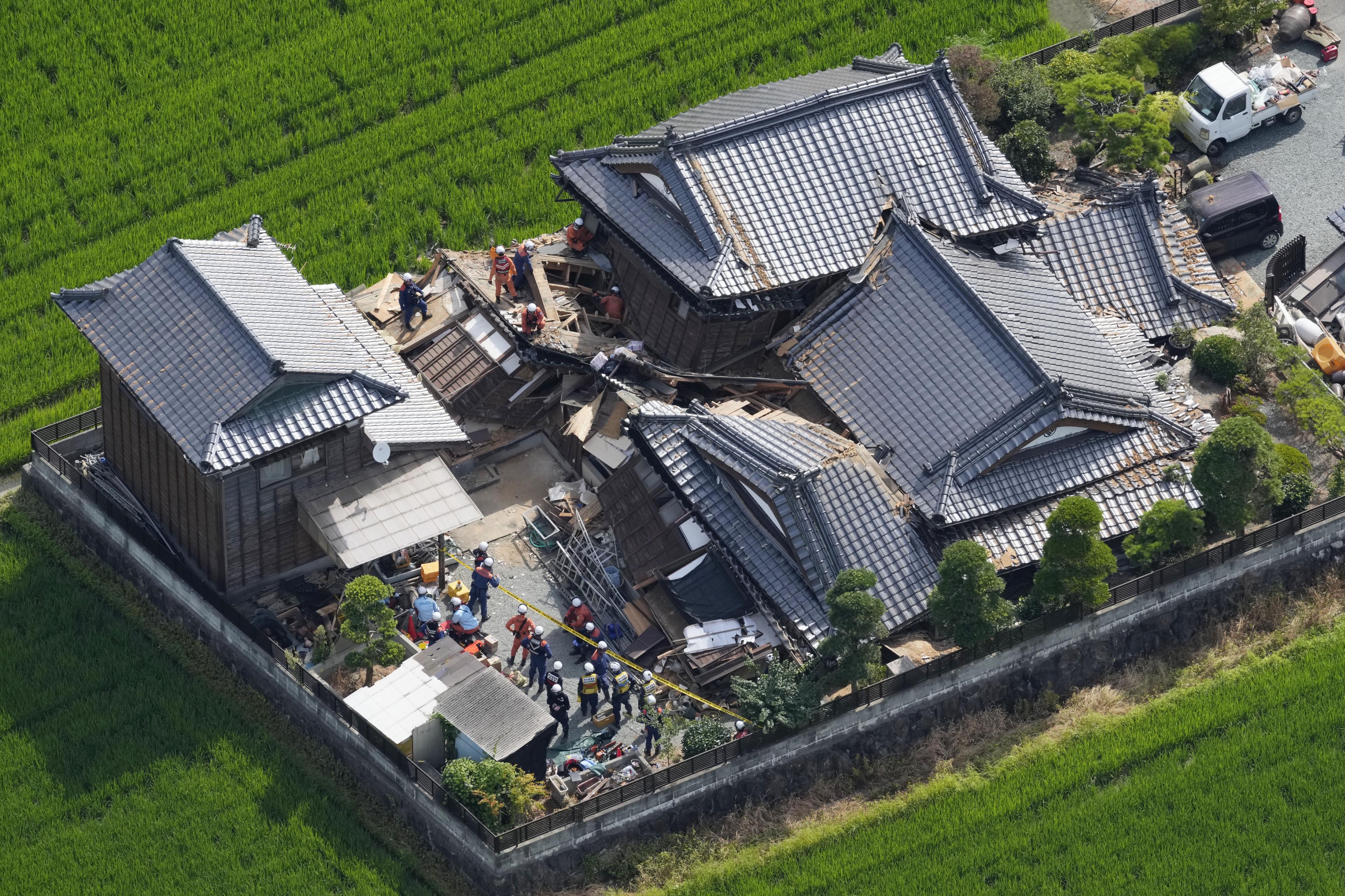
However, seismologists caution that confirmation of the exact faults that ruptured would come from direct field observations as well as satellite radar scans conducted over time.
They caution that the faults of inland Japan form a very complex network underneath, and large ruptures generally activate many fault strands, “sometimes over a wide area.”
This means pinpointing the root cause of the earthquake to a specific depth will take more time, they say.