








Thousands of stranded vessels in the Persian Gulf following the closure of the Strait of Hormuz could unintentionally trigger a massive spread of marine invasive species like mussels and barnacles in the region, a new study warns.
When ships are anchored at sea for prolonged periods, their hulls tend to accumulate dense communities of marine organisms, including algae, barnacles, mussels, and other invertebrates.
These so-called “biofouling” creatures may get transported around the world when vessels resume normal trade routes.
Previous studies have also shown that modern shipping is one of the main ways by which marine invasive species spread.
Invasive organisms transported this way are also sturdy and rapidly adapt to new environmental conditions, researchers warn.
“The ongoing conflicts in the Middle East are causing substantial humanitarian, economic, and geopolitical impacts and disrupting global trade,” scientists wrote in the study published in the journal Biological Invasions.
“While the human and economic effects remain the focus of most immediate concern, a pending ecological crisis is also unfolding,” they wrote.
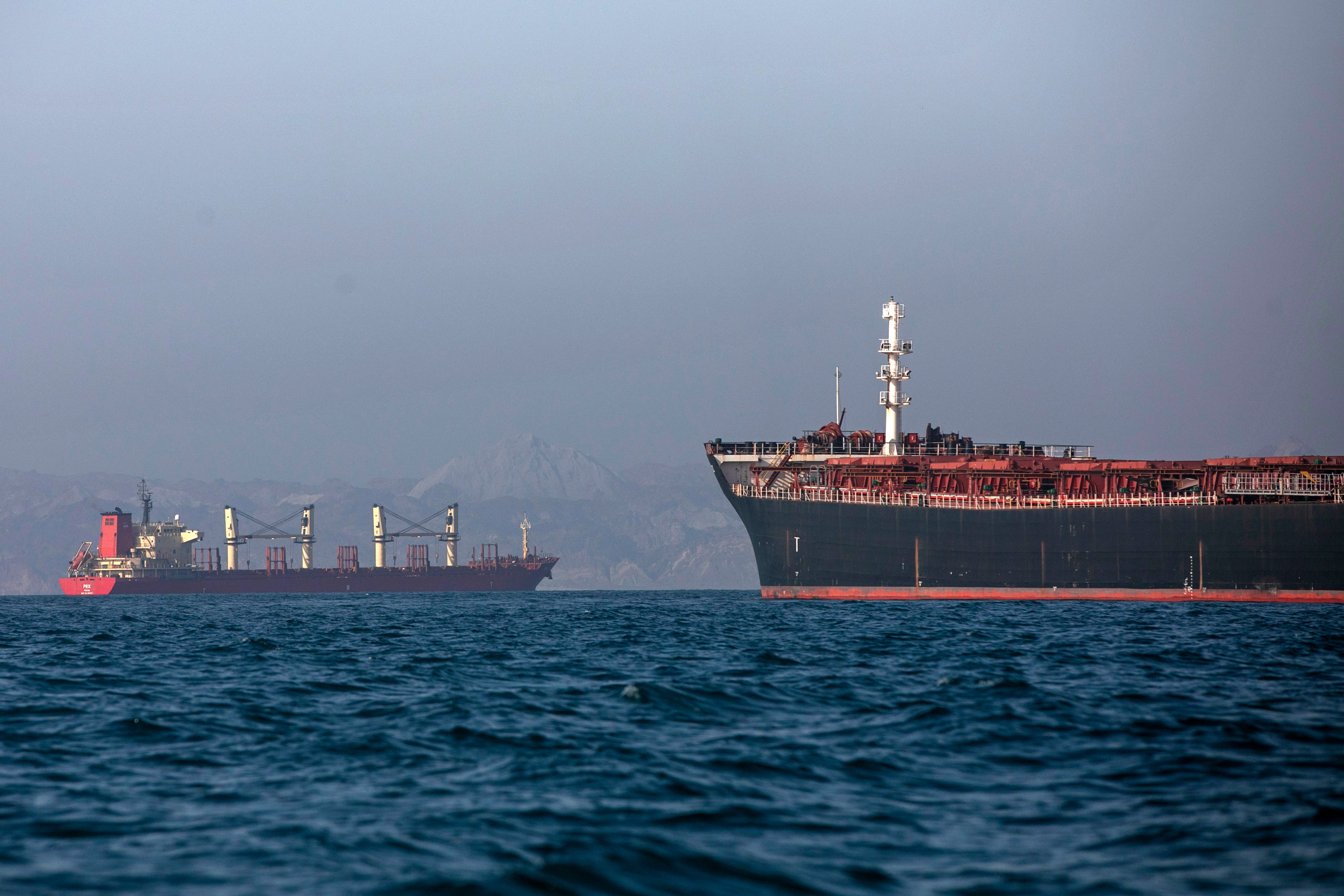
The unprecedented layover of more than 1,500 ships in the Gulf is creating conditions conducive to a potential global marine bioinvasion “super-spreader” event, warns the study.
Ships remaining idle in the Gulf currently may accumulate and facilitate the extensive spread of economically and ecologically damaging invasive species when they re-enter the global shipping network, researchers warn.
“Marine invasive species have profound ecological and economic impacts on coastlines across the globe…and are extremely difficult, if not impossible, to eradicate once they become established,” said Carolyn Tepolt, a co-author of the study from Woods Hole Oceanographic Institution (WHOI) in Massachusetts.
Citing an example, researchers said the occurrence of harmful algal blooms, including the non-indigenous microorganism Margalefidinium polykrikoides near the Bandar Abbas and Qeshm Oil Terminals, is a “recurrent and escalating issue in the Gulf region”.
“Ship ballast water is considered a major pathway for the introduction of M. polykrikoides and other non-native algal species to the region,” scientists wrote.
The barnacle Amphibalanus improvisus is also known to release up to 36 larvae per adult per day at 30C.
“Given the high densities of fouling organisms that can occur on ship hulls and niche areas, individual vessels may have released millions of larvae during this lay-up period,” scientists wrote.
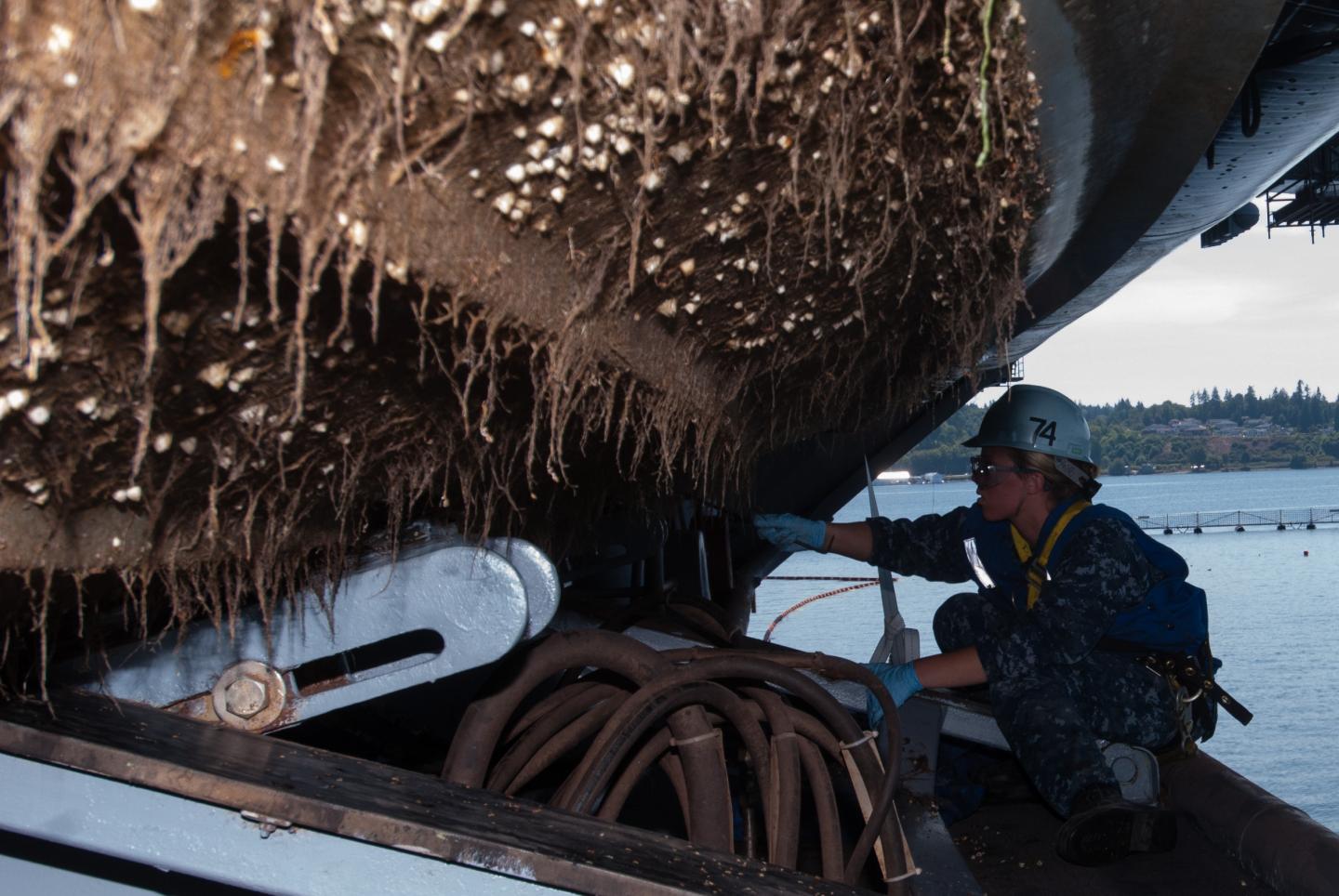
Such biofouling organisms are known to act as “reservoirs and vectors” for marine parasites and pathogens, they warn.
Scientists warn that the scale and duration of the recent vessel lay-up in the Persian Gulf is “unlike anything previously documented”, creating an unprecedented global biosecurity challenge.
“This disruption to global shipping has many repercussions and has also more quietly created ideal conditions to spread warm-water species to new ports,” Dr Tepolt said.
Researchers call on authorities to strengthen ship biofouling management and to expand monitoring at high-risk ports.
“We urge relevant stakeholders worldwide, including ship operators, port authorities, and environmental managers, to prepare now for the backlog of ship biofouling management requirements and to implement appropriate actions to abate this extraordinary biosecurity threat,” they wrote.