










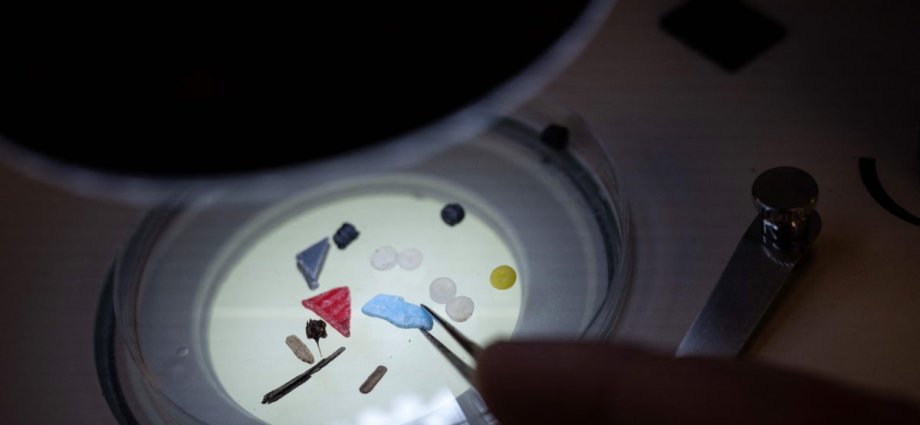
People who survived a serious heart attack were found to have higher levels of tiny plastic particles in their blood, compared to those with normal blood vessels supplying the heart in a small new study.
Researchers led by the University of Campania in Italy also found that people who smoke and those exposed to higher levels of air pollution had greater levels of micro- and nanoplastics in their blood.
The findings add to growing evidence suggesting that tiny plastic particles affect heart health.
“Micro and nanoplastics are tiny plastic particles that are found virtually everywhere in the environment, including the air we breathe, the water we drink, and many foods we consume,” said Pasquale Paolisso, lead author of the study published in the European Heart Journal.
“In recent years, scientists have begun to detect these particles in human tissues and organs, raising concerns about their potential health effects,” said Dr Paolisso from Sant’Andrea Hospital Sapienza University of Rome.
However, “very little” is known about whether these tiny plastic particles are present in the blood flowing through the arteries that supply the heart, researchers say.

To test this, scientists assessed 61 Italian patients diagnosed with either a heart attack, chronic heart disease or normal arteries.
They took samples of the patients’ blood from the blood vessels supplying the heart and from other parts of the body.
Researchers also collected data on whether the patients were smokers and on their exposure to pollution.
Both these data were collected on the day of testing and over the preceding two years.
Scientists detected micro and nanoplastics in 84 per cent of patients who had heart attacks.
In comparison, only 40 per cent of patients with chronic ischemic heart disease and 32 per cent of patients with normal coronary arteries were found to have micro and nanoplastics.
Heart attack patients also seemed to have a greater variety of plastic types in their blood, with the most common type being polyethene – widely used in packaging.
Those exposed to higher long-term levels of air pollution were more likely to have microplastics in their blood, according to the study.
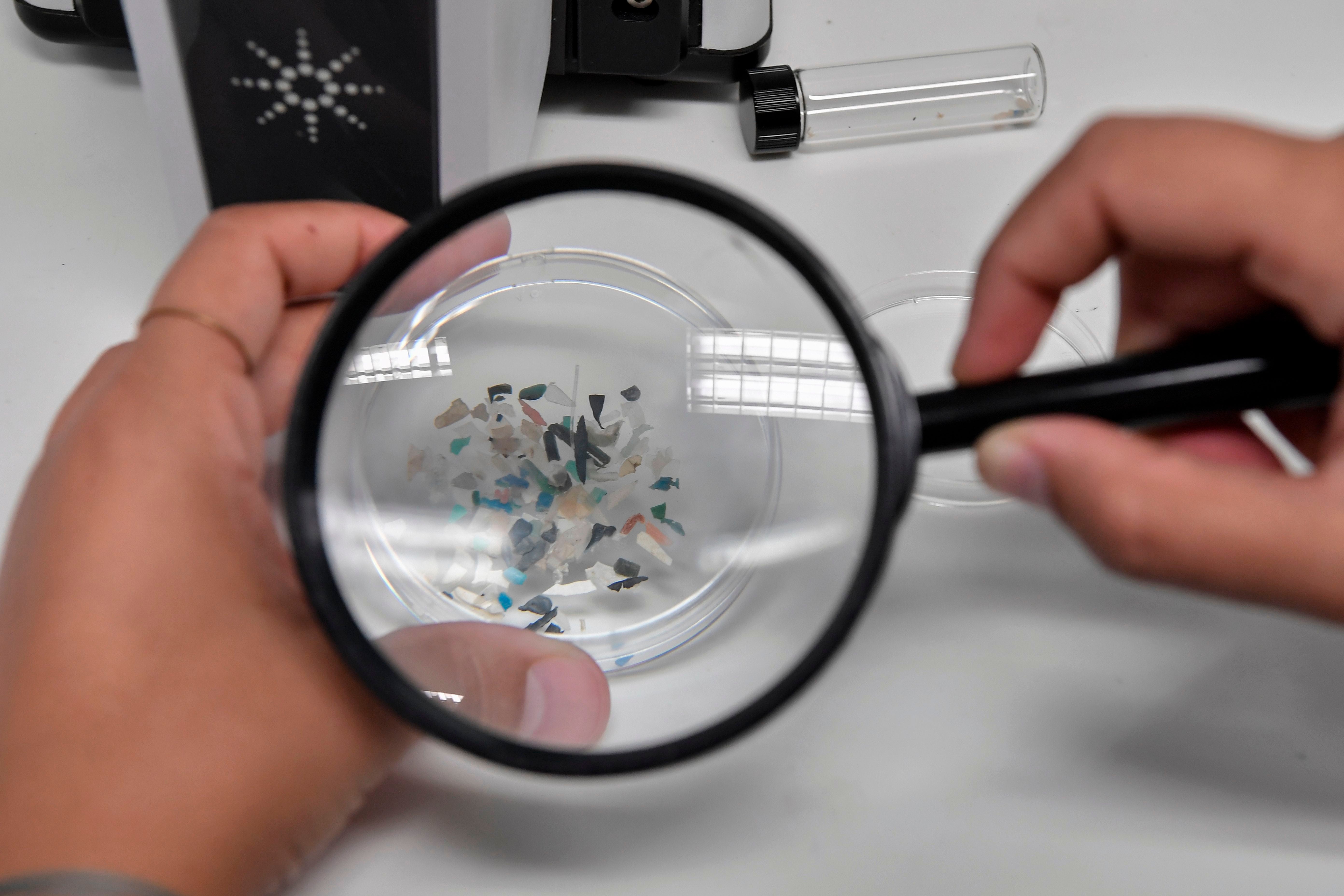
However, the study stops short of establishing a causal connection between micro- and nanoplastics and heart attack.
“These findings do not prove that microplastics cause heart attacks, but they reveal a strong association between environmental exposures, microplastics in the blood and cardiovascular disease,” said Emanuele Barbato, an author of the study from Sapienza University of Rome.
“In our study, smoking history was strongly linked to microplastics in the blood. Our findings suggest that smoking might make it easier for micro and nanoplastics to enter the bloodstream via the lungs. Air pollution may act in a similar way,” Dr Barbato said.
Scientists unrelated to the study welcomed the findings showing a strong link between plastic exposure and heart conditions.
“While the findings do not prove that plastics directly cause heart attacks, they strengthen the growing scientific evidence that plastic pollution is an emerging public health issue deserving serious attention,” said Thava Palanisami,” a plastic researcher at the University of Newcastle in Australia.
“Previous studies have been criticised for using methods that were not specifically designed to eliminate plastic contamination from sample collection and processing, which the current study addressed, adding to the importance of the study,” said Jeroen Douwes, professor of public health from Massey University in New Zealand.