










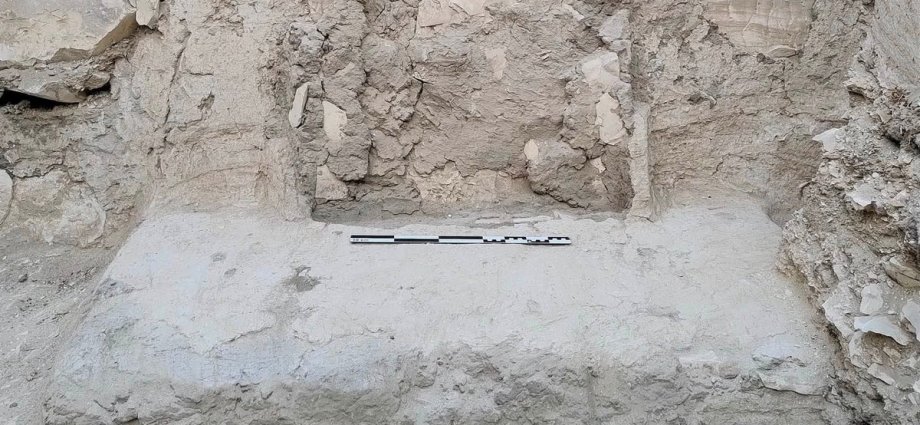
Archaeologists are racing to preserve a 3,000-year-old Egyptian tomb unearthed in Luxor at a site “extremely vulnerable to flash flooding”.
Excavations at the Theban necropolis were first launched in 2018, with fieldwork still ongoing at the site in lower Sheikh Abd el-Qurna.
Currently, very little remains preserved about the prehistory of this area in the western part of Luxor, partly due to floods damaging ancient burials in the area.
One of the newly excavated tombs was found to have belonged to a person called Paser, with artistic grave inscriptions dating back to Paser’s time.
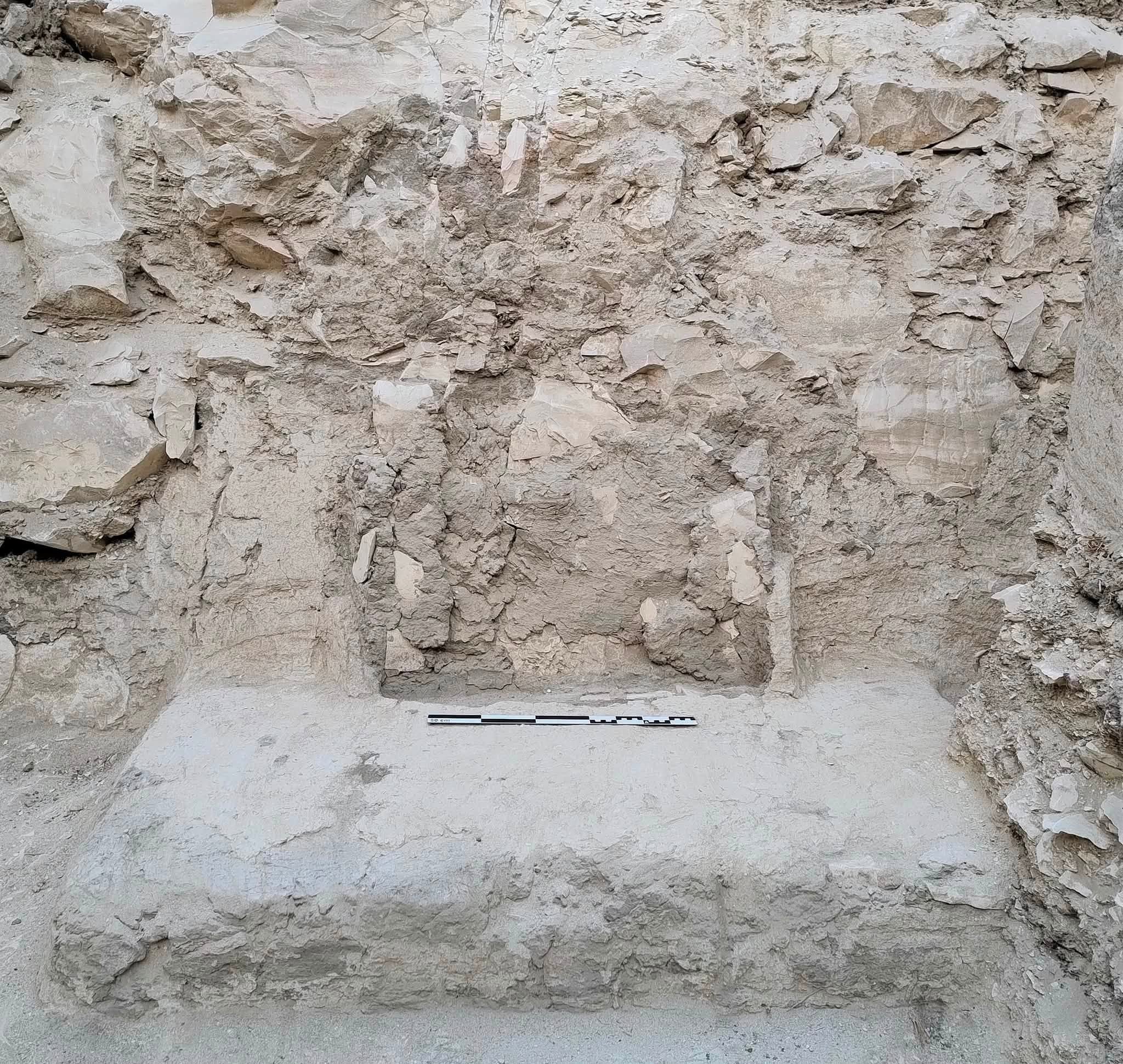
The courtyard of the cemetery was found to contain several well-preserved architectural elements, including a lining of what are called “milk bricks”, mediated by a gap dedicated to fixing a funeral plaque.
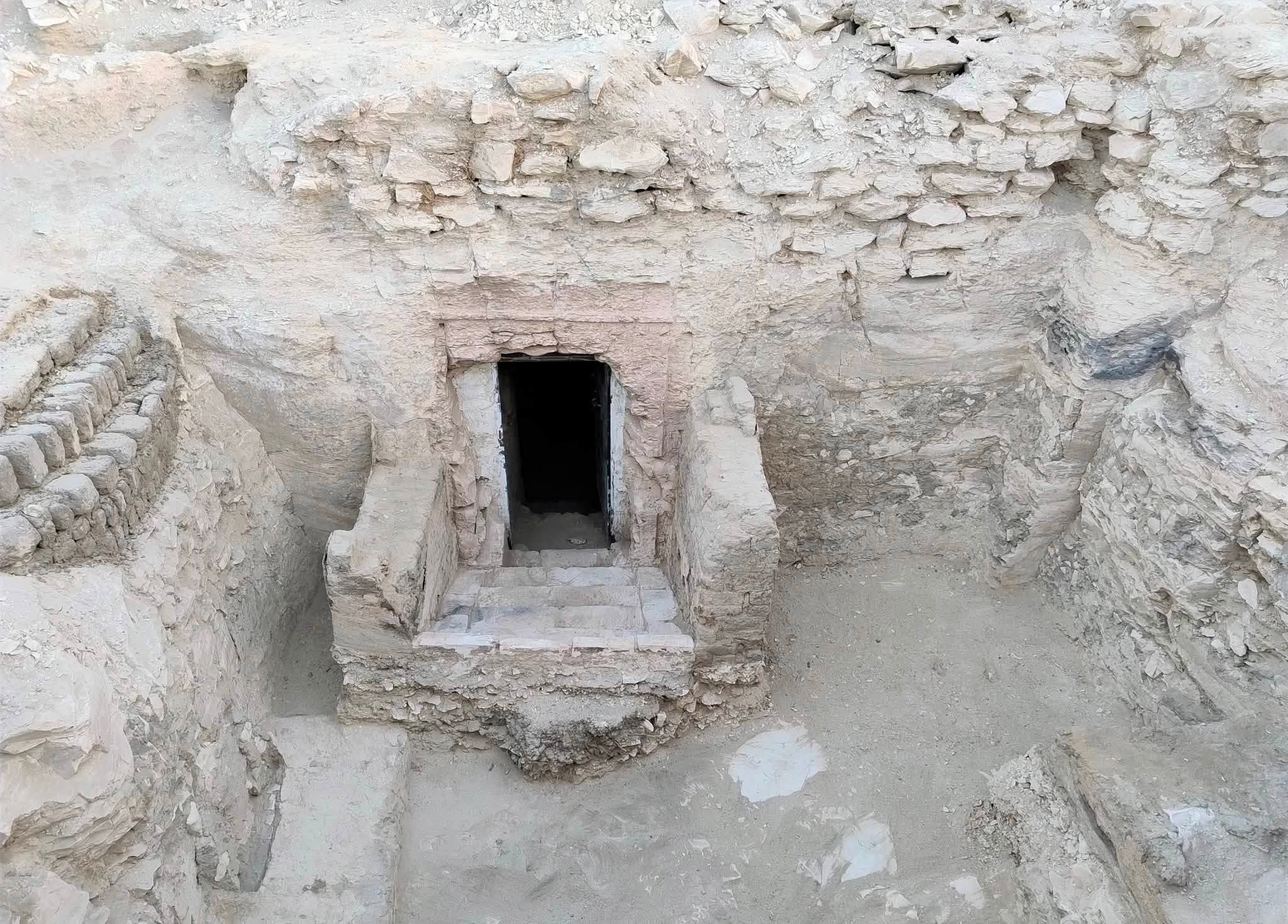
A staircase surrounded by ramps on both sides was also found leading to the entrance to the cemetery.
While many tombs have been unearthed in the area, with some dating to over 3,000 years ago, extensive conservation and risk management at the site remains a challenge, researchers say.
“The monuments in this area are extremely vulnerable to flash flooding due to their position at the very bottom of the mountain at Sheikh Abd el-Qurna, and they already show evidence of previous flooding and resulting damage,” the Egyptian ministry of culture and antiquities said in a statement.
Flooding in the area could further damage the tombs and their fragile engravings and decorations, researchers warn.
So the goals of ongoing excavation programs are not just to unearth the tombs, but also to implement protective measures and risk management activities in the area surrounding the tombs, they say.
As flash flooding remains a major risk, high heaps of modern debris surrounding the tombs in the area should be removed, and drainage paths should be created, archaeologists say.
Researchers hope to take a multidisciplinary approach to excavation by integrating knowledge and techniques from a wide range of fields, including Egyptology, archaeology, conservation, restoration, digital humanities, geology and hydrology, heritage and risk management, they say.
They hope to test a proof of concept on the digital documentation and material analysis of the painted decoration of the tombs.
Researchers also hope the ongoing mission contributes significantly to the development and application of non-invasive digital technologies to the documentation, publication and accessibility of ancient material culture.
They plan to further study the remains of people buried there to provide a deeper understanding of the relationship between the area cemeteries and the surrounding environment.