










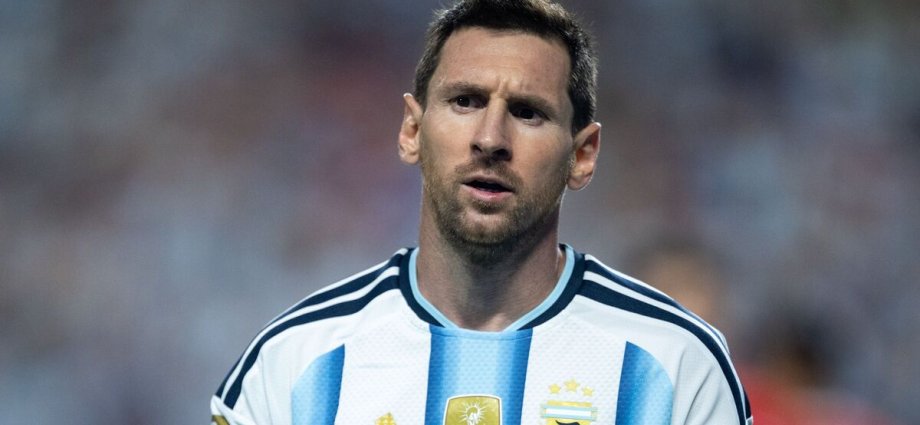
That match set up a blockbuster tie with England. And during the final-eight match, Argentina sported black armbands, to pay tribute to Antonio Ubaldo Rattin. He was one of the country’s legendary captains and died at the age of 89 shortly before Argentina took to the field to take on Switzerland.
The Argentine Football Association (AFA) requested special authorisation from FIFA, which was approved, allowing players and coaching staff to wear armbands throughout the match.
Rattin captained Argentina at the 1962 and 1966 World Cups and is one of the most iconic figures in their sporting history.
FIFA did the right thing by granting the special request, but not doing so elsewhere has caused controversy.
France similarly applied as they wished to pay tribute to Didier Deschamps’ late mother, as the national team head coach missed their match with Norway following her death.
Deschamps had returned to France to attend the funeral and was not in the dugout, with his team unable to wear similar armbands to those of Argentina later in the tournament.
Gary Lineker led the backlash against FIFA at the time as he skewered the association for their decision.
Norway presented stand-in manager Guy Stephan with a bouquet of flowers as a gesture of condolence to Deschamps, Lineker felt that more should have been done.
He told L’Équipe: “The loss of his mother is a tragedy. It’s truly sad, and I still can’t believe FIFA didn’t allow the players to wear black armbands.”
France had also prematurely announced that a minute’s silence would be held in memory of Deschamps’ mother.
However, a moment of remembrance had already been confirmed in Massachusetts in tribute to the victims of the earthquakes in Venezuela, where over 900 people died.
Argentina have made another special request to FIFA before they play England, unrelated to the tragedies, asking to wear their all-blue kit rather than their blue and white strip.
They have worn the blue and white colours in every match at the World Cup apart from one, when they beat Jordan in the group stages.