










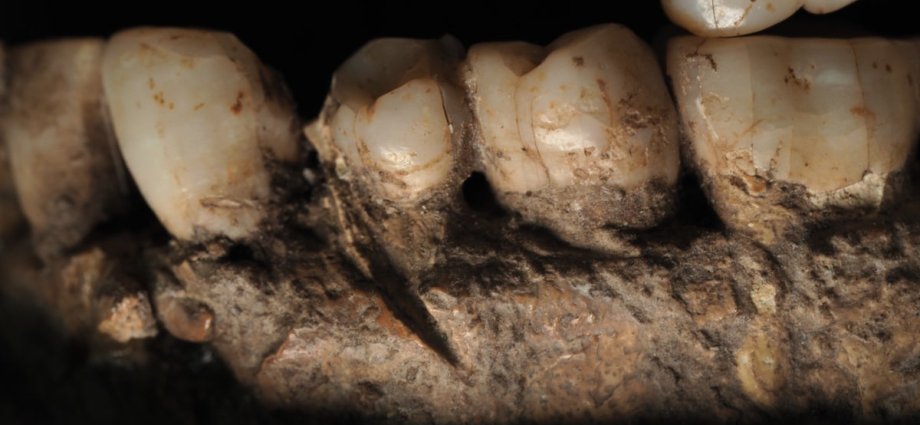
A jaw injury on a human fossil from about 100,000 years ago could be the earliest evidence of a person taking a potentially fatal stab wound to the face, archaeologists revealed in a new study.
Violence is one of the most challenging aspects of the human past to reconstruct as the precise cause of an injury in skeletal remains often cannot be determined.
But Qafzeh 25, a human fossil from the Qafzeh Cave in Israel dated to between 92,000 and 145,000 years ago, stands out. The remains unearthed in 1979 show a healed jawbone injury consistent with sharp-force trauma.
Scientists at the Spanish National Centre for Research on Human Evolution used a combination of microscopy and CT X-ray scans to identify a lesion affecting both the jawbone and one of the lower premolars of the skeleton. The lesion is consistent with trauma caused by a sharp object, suggesting a stab in the face, researchers say.
The injury had started healing, indicating the individual survived for some time after sustaining the wound.
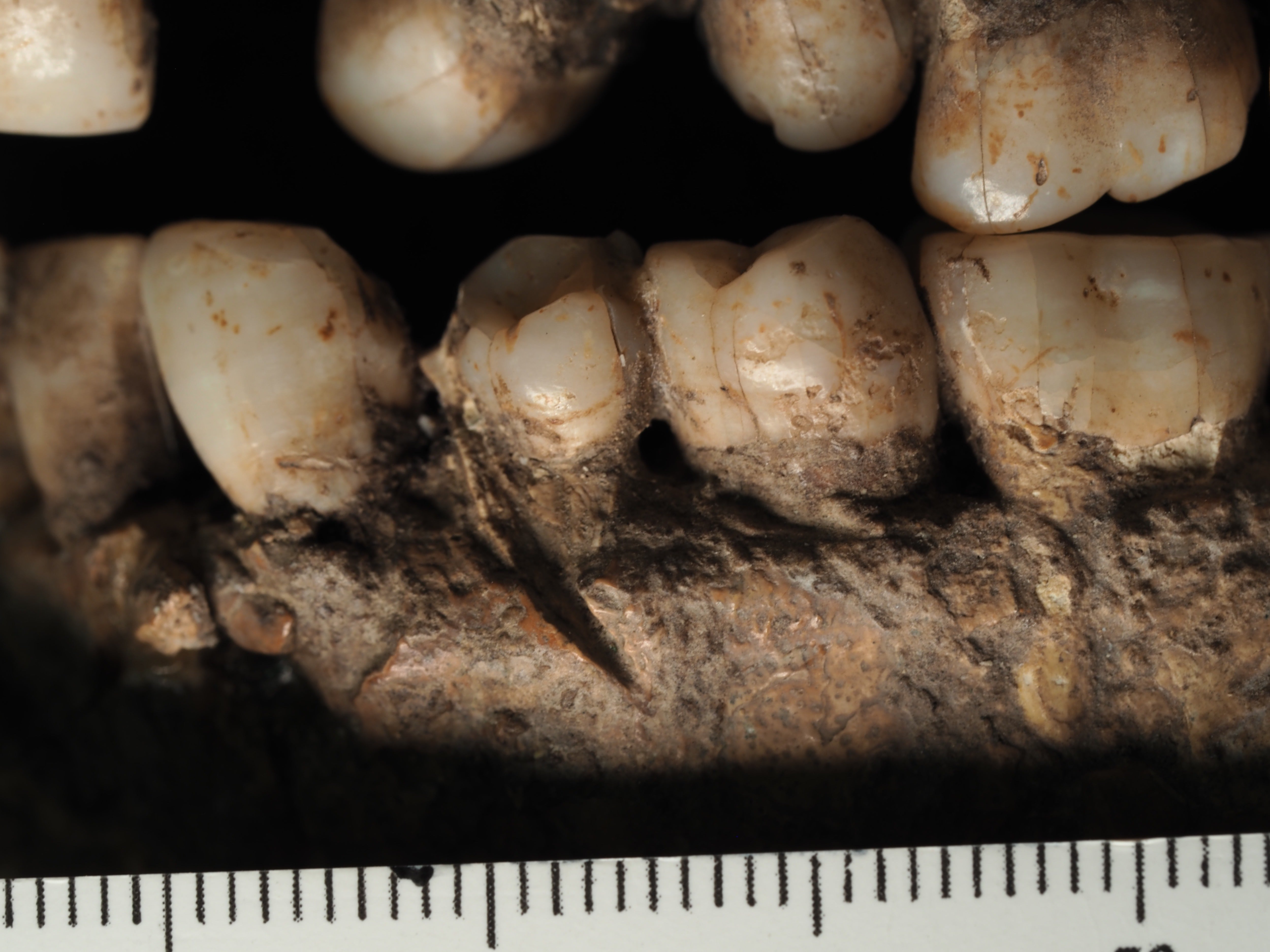
While the exact cause of the injury remains open to debate, the discovery expands the extremely limited record of possible sharp-force trauma from the Middle Palaeolithic, scientists say.
The study, published in Scientific Reports, also noted previously undocumented dental conditions, shedding light on the individual’s oral health. Hidden caries in a lower premolar and enamel defects found in the remains provide insight into the living conditions of some of the earliest known Homo sapiens populations outside Africa, they say.
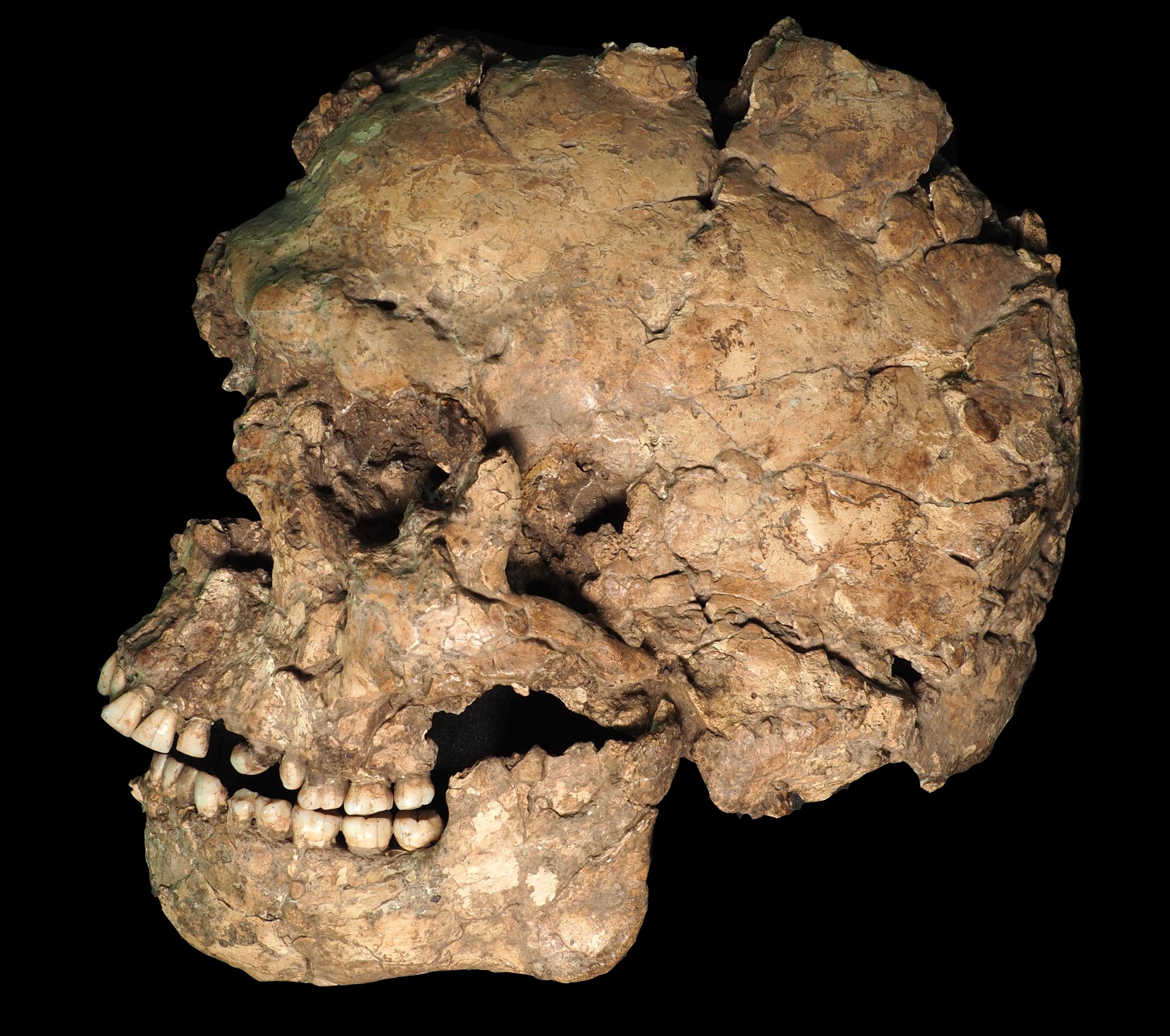
The archaic human most likely did not die in a carnivore attack as the fossil remains showed signs of preservation consistent with deliberate burial.
The latest findings reinforce the Qafzeh Cave’s status as a key archaeological site for investigating the earliest known funerary practices of Homo sapiens, according to the study.
“The findings provide new evidence in the ongoing debate about the origins of complex behaviours such as interpersonal violence, the care of injured or ill individuals, and funerary practices,” the study’s author Ana Pantoja Pérez said, “all fundamental aspects for understanding the social and cultural evolution of our species.”