








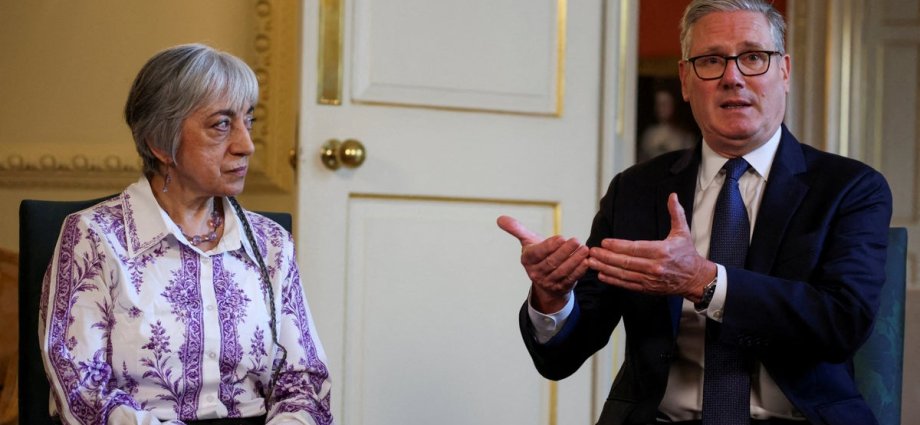
Sir Keir Starmer has formally apologised on behalf of the state for the scandal of historical forced adoptions, telling women whose babies were taken from them: “The shame was never yours, the shame is ours.”
Speaking in Parliament, the prime minister described the practice, which was prevalent in the decades after the Second World War, as a “stain on our history”.
Women forced to give up their babies watched on as he made the statement, with some wiping away tears as the apology was delivered.
No exact figure exists, but an estimated 185,000 babies of unmarried mothers were adopted in England and Wales between 1949 and 1976.

In his apology, Sir Keir said that what happened to “tens of thousands of mothers, children and families – should never have happened. It is a stain on our history.
“Mothers – many young, vulnerable, and without support – were coerced, bullied or misled into feeling they had no choice but to have their children taken from them.”
These were not isolated or accidental acts, he added. “They were practices embedded within systems across local authorities, across voluntary and faith-based institutions, and in health and social care services, including parts of what is now the NHS.
“All institutions that operated with power over people’s lives, yet they did so without compassion, without consent, and without dignity or proper safeguards. Children grew up believing they were unwanted. Young mothers were told they were immoral – and that their babies were better off without them.”
He talked of how one mother, who later grew up to be an MP – Ann Keen – described how she was stitched without anaesthetic and told: “‘You will remember the pain, because you’ve been a bad girl’.”
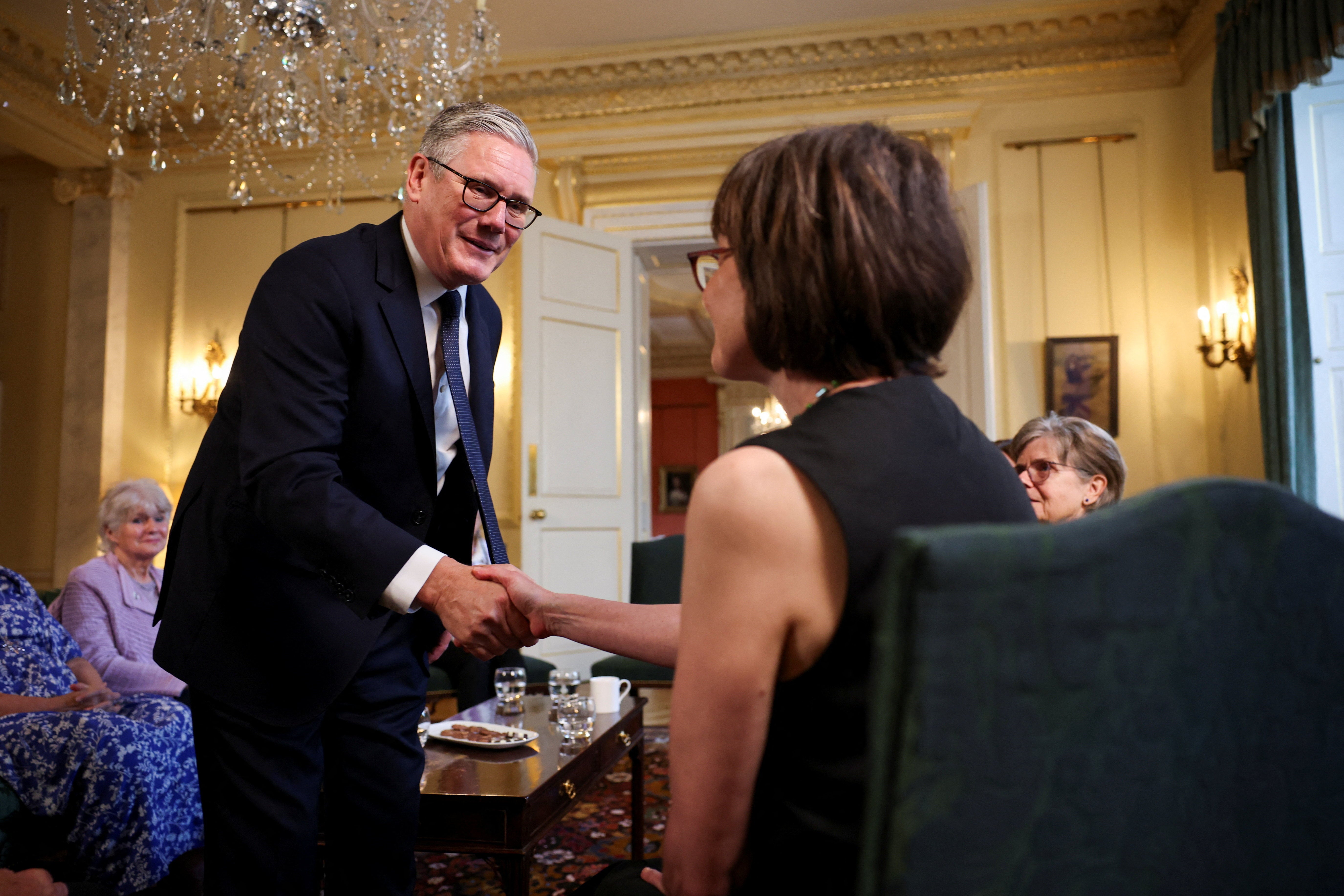
Sir Keir earlier told campaigners in Downing Street they suffered a “double injustice” with the long wait for state recognition.
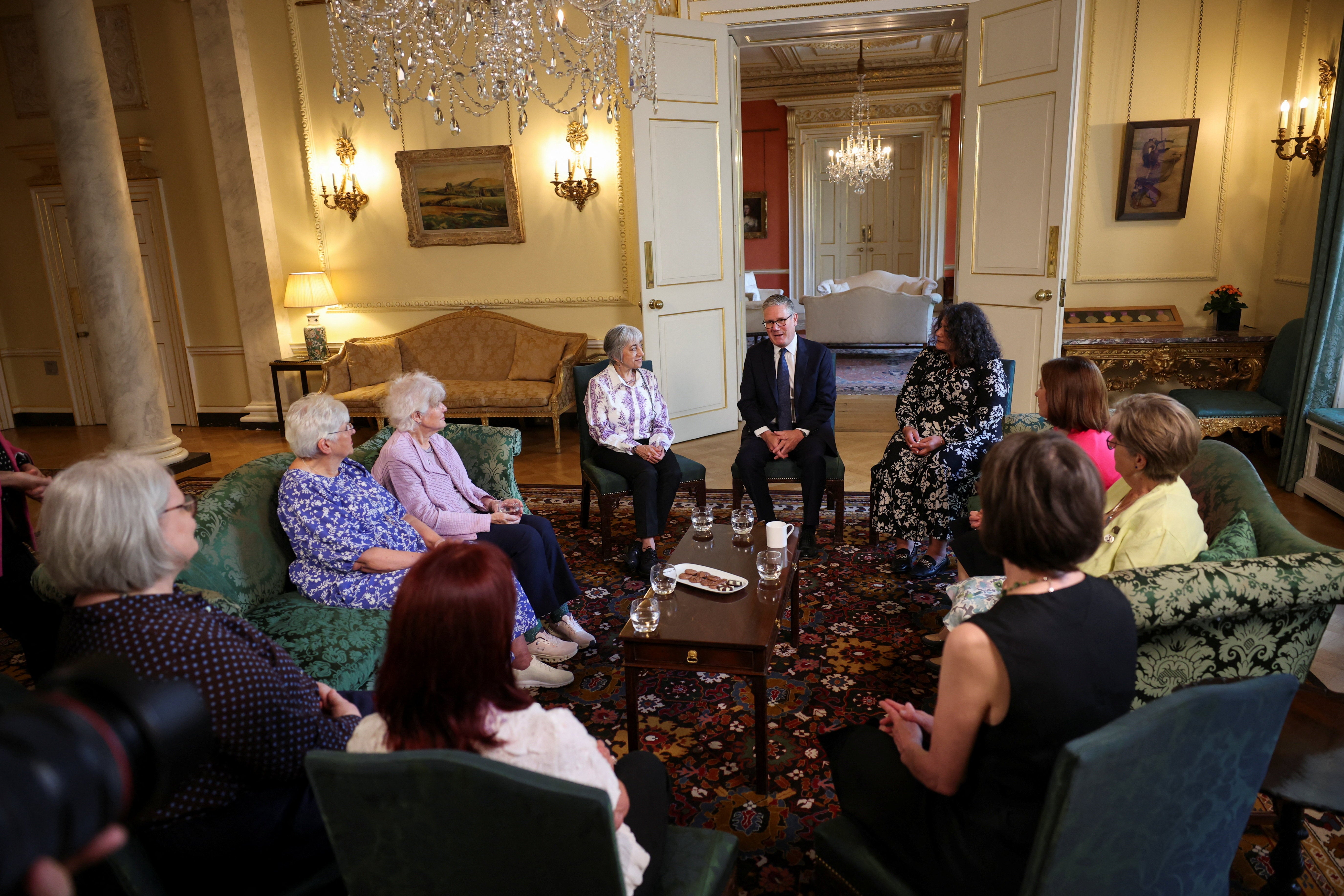
For decades, mothers have campaigned for justice, recounting the harrowing experience of their children’s removal and enduring feelings of shame.
The Joint Committee on Human Rights (JCHR) called for a state apology in 2022, saying “the government bears ultimate responsibility for the pain and suffering caused by public institutions and state employees that railroaded mothers into unwanted adoptions”.
But while administrations in Cardiff and Holyrood issued formal apologies in 2023, Westminster’s apology only came on Thursday.
Adults who were removed as children from their mothers have also spoken of their suffering at the hands of a “harmful narrative” which long claimed that adoption had saved them.
In Northern Ireland, an apology is also expected but not until after a public inquiry has been carried out, following a recommendation from a 2021 report on mother and baby institutions, Magdalene laundries and workhouses.
Two weeks ago, the Church of England apologised for its role in forced adoptions, telling survivors the “shame is ours”.
Archbishop of Canterbury Dame Sarah Mullally said the impact on families had been “lifelong” for many and noted survivors having spoken of the “indignity” they faced.
She apologised for the “pain, trauma and stigma” caused to those affected, adding that there was a deep shame that the practice had happened to people “in the care of Christian communities”.
Despite the JCHR report recommending ministers apologise, the then-Conservative government in 2023 said while it was sorry “on behalf of society” for the way the women had been treated, it did not think a formal apology appropriate “since the state did not actively support these practices”.
Campaigners have previously called for a state apology to contain an acknowledgement of wrongdoing, acceptance of responsibility, expression of remorse or regret and an assurance that the harm will not be repeated.
MPs have also heard calls for more support for mothers and adoptees, including fast-tracked counselling and better access to their records.
The apology comes almost exactly two years after a key campaigner, whose daughter was taken from her as a baby in the 1960s, died.
Veronica Smith, who passed away in June 2024, co-founded the Movement for an Adoption Apology (MAA), in 2010 to seek justice for all those who had suffered.
Current MAA chairwoman Diana Defries, said the state apology would be tinged with sadness as some mothers who “worked tirelessly” in their calls for one will not be around to hear it.
Ms Defries – who had not long turned 17 when her own baby daughter was forcibly adopted in the 1970s – said it is “so sad” Ms Smith did not live to see the Westminster Government finally issue an apology.
Other long-time campaigners were now too frail to be part of the day, she added.
She told the Press Association: “Campaigners have been working for decades, long before me. And the worst part is that I stepped into a dead woman’s shoes to keep it going and it’s a tragedy for me personally and obviously for her family that she’s not here.
“It’s hugely poignant.
“It’s great that they (the government) are actually doing something and that they’re acknowledging this injustice but it’s so sad that these people who worked tirelessly for a very long time won’t be part of it.”