







A “once-in-a-generation” expedition will be launched in July to survey the last ships of legendary polar explorers Sir Ernest Shackleton and Captain Robert Falcon Scott.
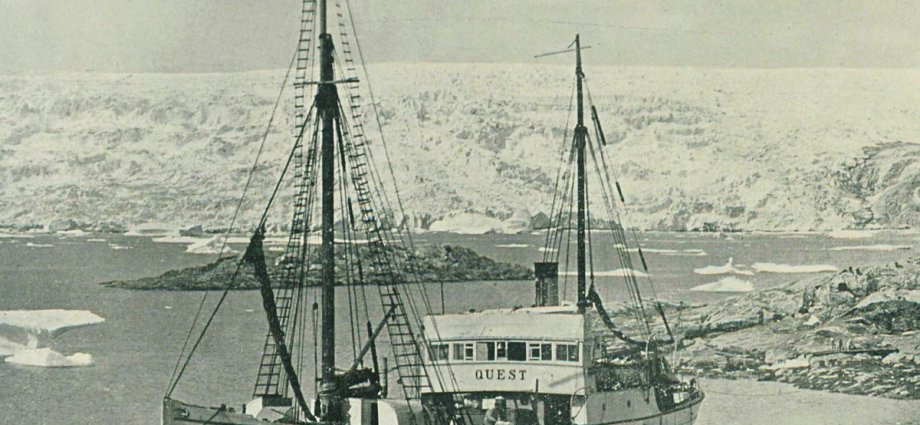
The ships Quest and Terra Nova are the last link to Shackleton and Scott, who competed to reach the South Pole in the early 1900s before each died during an expedition.
Now, The Woods Hole Oceanographic Institution (WHOI) and the Royal Canadian Geographical Society (RCGS) will conduct the first comprehensive visual survey of both Quest and Terra Nova to produce digital twins of the wrecks.
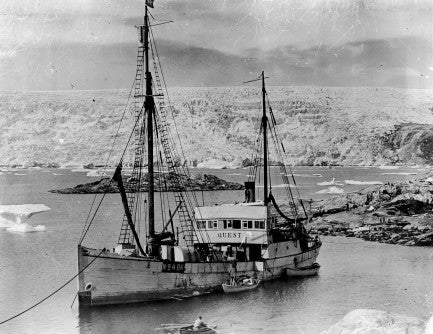
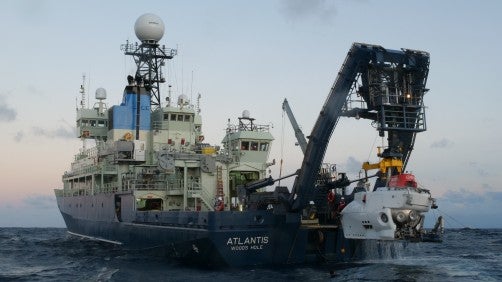
Their expedition on research vessel Atlantis will map the shipwrecks and debris fields around their hulls using a combination of high-definition 5.2K video cameras and advanced Canadian “Voyis” photogrammetric technology.
Quest is the ship of Irish-born British explorer Shackleton, who died in 1922.
Its wreck was discovered in 2024, sitting on its keel under 390m (1,280ft) of frigid water off the coast of Labrador in Canada, 62 years after it went missing.
Shackleton’s death aboard the ship in 1922 marked the end of what historians call the “heroic age” of Antarctic exploration.
“The discovery of Quest in 2024 was only the beginning,” said John Geiger, expedition leader and chief of the RCGS.
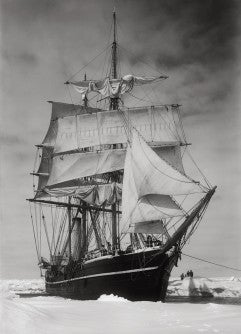
Terra Nova, Scott’s final ship, was first discovered by the Schmidt Ocean Institute in 2012.
Scott and his entire party had frozen to death on their return journey.
The vessel had sunk off the coast of Greenland in 1943 and was located using modern echo sounders.
Neither ship has been surveyed previously using the Voyis technology, which will create digital twins of the wrecks.
“By combining Canadian and American technologies, and an international team of experts, we will document Quest and Terra Nova in unprecedented detail, creating an extraordinary record of two historic shipwrecks and sharing these important stories with the world,” Mr Geiger said.
“By using advanced imaging tools, ROVs, and the legendary Alvin submersible, we will be able to see and re-create two historically significant shipwrecks and bring the stories of two great explorers to life,” said Dwight Coleman, Co-Chief Scientist for the expedition.
The human-occupied vehicle (HOV) Alvin was the first submersible to ever survey The Titanic.
“The bravery and leadership demonstrated by these two polar heroes have inspired generations of explorers over the years, and our hope is that by documenting their last ships, we too can inspire the next generation of explorers worldwide,” said shipwreck expert David Mearns, who called the expedition a “once-in-a-generation” opportunity.