








Rod Laver was one of the high-profile names to miss the 1973 tournament (Image: Getty)
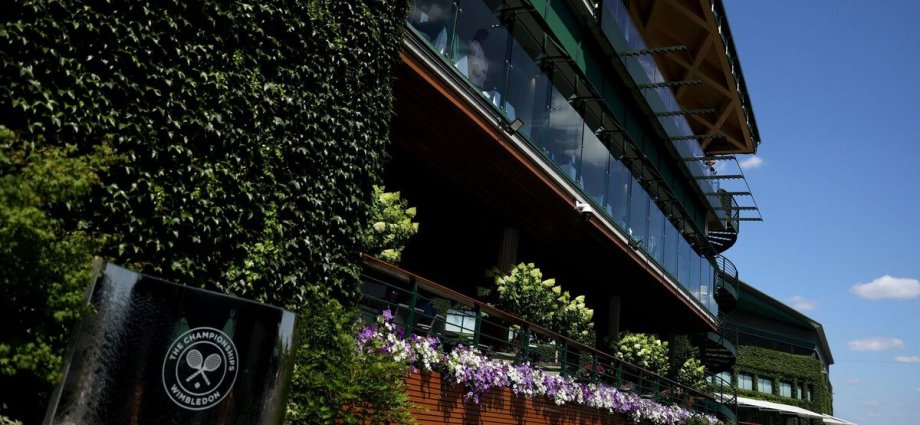
Wimbledon was once rocked by a mass boycott from the sport’s leading players. The dispute, ahead of the 1973 tournament, centred on a player being barred from playing, prompting 81 players, including defending champion Stan Smith, to withdraw.
Other high-profile absentees included Rod Laver, one of the greatest players of all time, and Arthur Ashe, who went on to win Wimbledon two years later. The build-up to the tournament was clouded by mounting speculation over whether these elite players would take part. Tournament organisers remained confident that Wimbledon’s appeal would save the day, but they were sorely mistaken. Tennis was still wrestling with the divisions caused by some players turning professional five years earlier, while others had retained their amateur status.
The newly established players’ union, the ATP, threatened the boycott after Yugoslavian player Nikola Pilic was banned by his country’s federation for refusing to play in a Davis Cup tie.
Pilic’s six-week ban was handed down not only by his own federation, which was led by his uncle, but also by the International Lawn Tennis Federation (now the ITF). This period coincided with Wimbledon, preventing him from taking part.
However, he did receive backing from the ATP. It’s board, which included Smith, Ashe, Jim McManus, Britons Mark Cox and John Barrett, chief executive Jack Kramer and president Cliff Drysdale, gathered at a Mayfair hotel to discuss a boycott.

The issue revolved around Nikola Pilic (Image: Getty)
This pivotal meeting took place just a day before the Wimbledon draw was due to be held. Cox and Barrett remained loyal to Wimbledon, while Smith also voted against a boycott. Ashe, McManus, and Kramer were in favour of the boycott.
With the casting vote resting in his hands, Drysdale opted to abstain, which resulted in a 3-3 deadlock. However, per ATP rules, that was enough to pass the boycott motion.
By the time Wimbledon’s chief referee, Mike Gibson, had been told, the draw had already been made. It was promptly scrapped, with organisers having to hastily put together a fresh entry list, drawn largely from European players whose national federations barred them from ATP membership.
A number of promising youngsters also featured in the draw, among them a 17-year-old Bjorn Borg, who would go on to lift the Wimbledon trophy five times. Three ATP members defied the boycott.

Roger Taylor defied the boycott to play (Image: Getty)
British number one Roger Taylor was amongst them, as was Romanian Ilie Nastase, who would later claim two Grand Slam titles. Australian Ray Kelbie competed too, citing financial pressures for not joining the boycott.
Taylor found himself caught between a rock and a hard place. His father, a union man, urged him not to compete, but the enormous media pressure to take part in his home tournament proved too great to resist.
While he did take to the court, his decision left him deeply unpopular with many of his peers. Czech player Jan Kodes won the tournament, beating Russia’s Alex Metreveli in straight sets. Taylor beat Borg in the quarter-finals, only to lose to Kodes in the semis.