








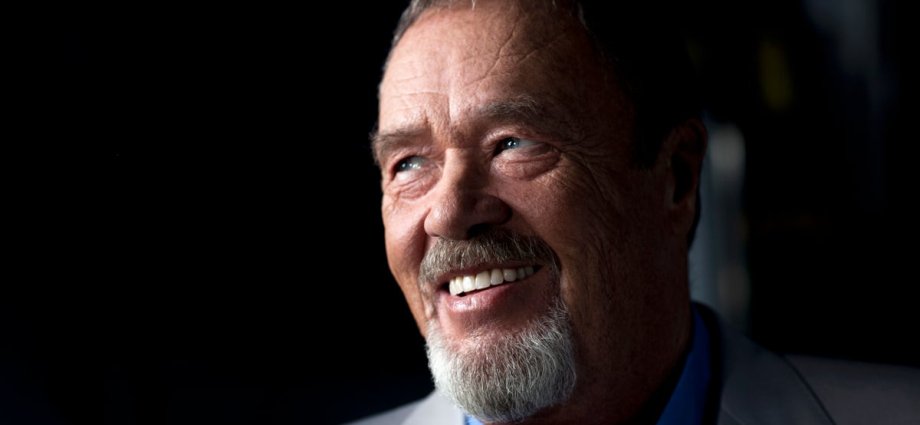
David Clayton-Thomas, the powerful lead singer of Blood, Sweat & Tears, whose husky, high-strung tenor defined 1960s hits such as “Spinning Wheel” and “And When I Die,” has died at the age of 84. His distinctive voice helped propel the “brass rock” band to immense popularity, making them one of the era’s most celebrated acts.
Spokesperson Eric Alper confirmed that Clayton-Thomas died “peacefully” on Wednesday at St. Michael’s Hospital in Toronto. A specific cause of death was not cited.
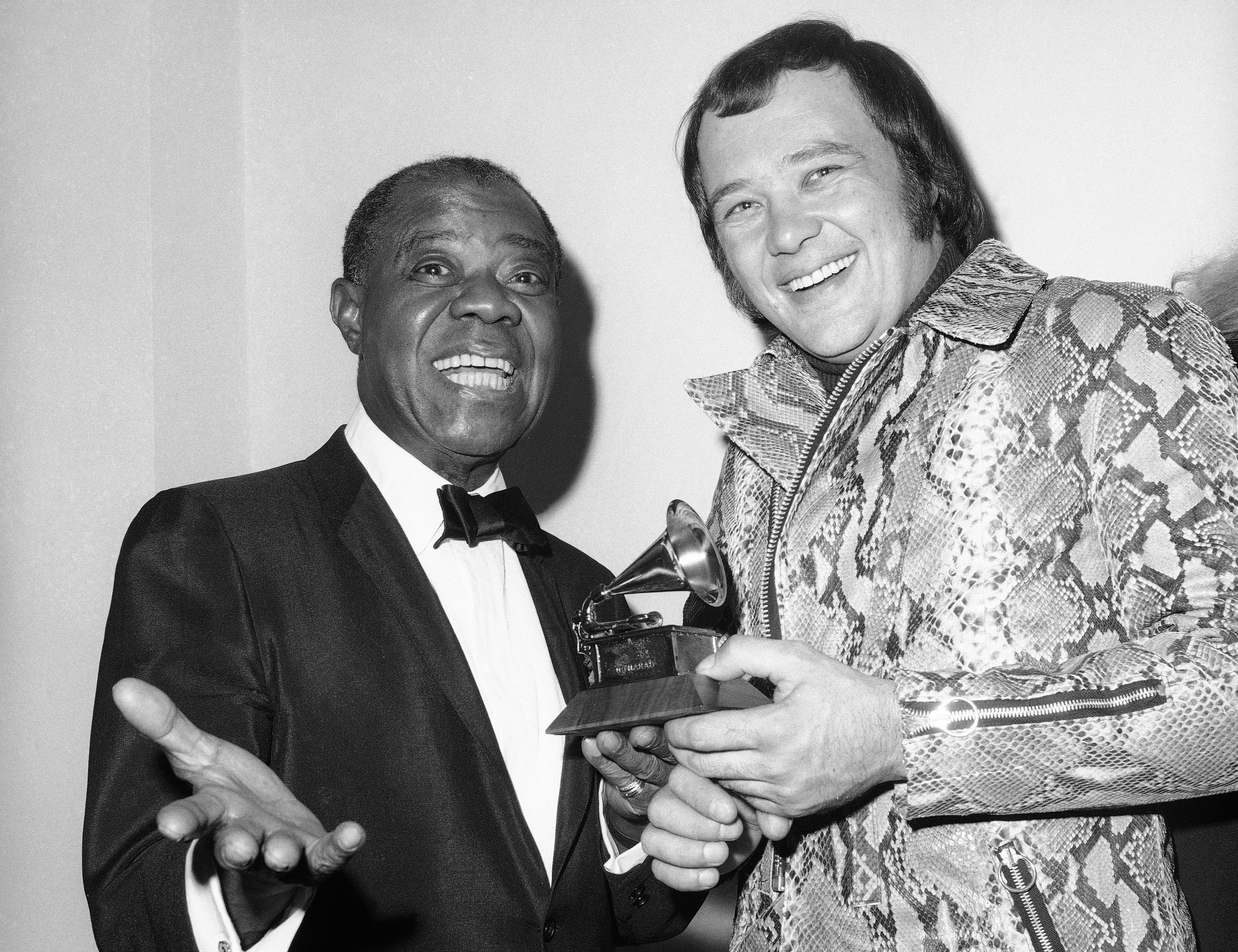
A Canadian who overcame a past as a street fighter and petty thief, Clayton-Thomas rose to rock superstardom. As the frontman of the nine-member Blood, Sweat & Tears, he sold millions of records and won two Grammys for their 1969 album, which famously beat The Beatles’ Abbey Road for Best Album.
Amidst a jazzy arrangement of horns, keyboards, and percussion, Clayton-Thomas’s urgent shout became a signature sound of the era. He delivered messages of love on the Motown cover “You’ve Made Me So Very Happy,” left a lasting mark on Laura Nyro’s “And When I Die,” and offered a cool perspective on his self-penned “Spinning Wheel.”
Meanwhile, Blood, Sweat & Tears helped inspire a wave of horn-led bands, among them Chicago, the Electric Flag and Ten Wheel Drive.
“A lot of the guys (in Blood, Sweat & Tears) would play a Broadway show matinee, then go up to Harlem and play Latin music or R&B and funk at night, or come down to the Village and play pure jazz the next night,” Clayton-Thomas told bestclassicbands.com in 2023. “I was just a blues player: give me three chords and I’ve got a song.”
At its peak, Blood, Sweat & Tears’ appeal was so broad it helped lead to the band’s downfall.
Hip enough to perform at the 1969 Woodstock festival, where they were among the highest paid acts, they also were known enough to the establishment to tour Eastern Europe the following year on behalf of the State Department. When Clayton-Thomas and other band members denounced the Communist regimes on the other side of the Cold War, Rolling Stone’s David Felton wrote that “the State Department got its money worth.”
The band had practical reasons for going along with the government: Clayton-Thomas, who had allegedly wielded a gun at his girlfriend, had been denied a green card and faced deportation. But after topping the charts in 1970 with the album Blood, Sweat & Tears 3, their appeal soon faded. A burned out Clayton-Thomas left the group in 1972, and neither he nor the remaining musicians ever regained their old stature. Blood, Sweat & Tears would continue recording over the next few years, and even briefly reunited with Clayton-Thomas, who went on to release more than a dozen solo albums and tour on his own for decades.
America beckons

Enjoy unlimited access to 100 million ad-free songs and podcasts with Amazon Music
Sign up now for a 30-day free trial. Terms apply.
ADVERTISEMENT. If you sign up to this service we will earn commission. This revenue helps to fund journalism across The Independent.
Enjoy unlimited access to 100 million ad-free songs and podcasts with Amazon Music
Sign up now for a 30-day free trial. Terms apply.
ADVERTISEMENT. If you sign up to this service we will earn commission. This revenue helps to fund journalism across The Independent.
Hooker had encouraged Clayton-Thomas to move to New York, where the American bluesman had an engagement at the Cafe Au Go Go in Greenwich Village. When Hooker unexpectedly departed for a tour of Europe, club owner Howard Solomon needed a replacement and recruited Clayton-Thomas.
“So I played him a couple songs on the guitar,” Clayton-Thomas told bestclassicbands.com. “He said, ‘Do you have a band?’ I said, ‘Sure,’ and went out into Greenwich Village looking for anybody carrying a guitar case or even looking like a musician, and we put together a little band and we opened there that night. We ended up staying there for several months.”
Around the same time, session man-producer Al Kooper was looking to a form jazz-rock group and was joined by such musicians as guitarist Steve Katz, drummer Bobby Colomby and horn players Randy Brecker and Jerry Weiss. They called themselves Blood, Sweat & Tears, releasing the debut album Child Is Father to the Man early in 1968. Although praised by Rolling Stone publisher Jann Wenner as “a fine, exemplary group,” members were torn between those allied with Kooper and those who thought his vocals too weak to attract a substantial audience.
By the end of the year, Kooper and others had departed, and the band was seeking a new singer. After Judy Collins saw Clayton-Thomas perform, she recommended him to Colomby.
“I got home and just a couple of days later, Bobby Colomby called me up and said, ‘Hey, Kooper’s gone. We got four guys left out of the nine. And we still got a record contract with Columbia. Do you want to come down and try out for the band?”’ Clayton-Thomas told bestclassicbands.com. ”I said, ‘You’re damn right.’ I knew (bassist) Jim Fielder real well and I knew they were superb musicians. So I was on the next plane. We had a rehearsal that afternoon, an audition, and it was instant magic. We just knew right off the bat.”