










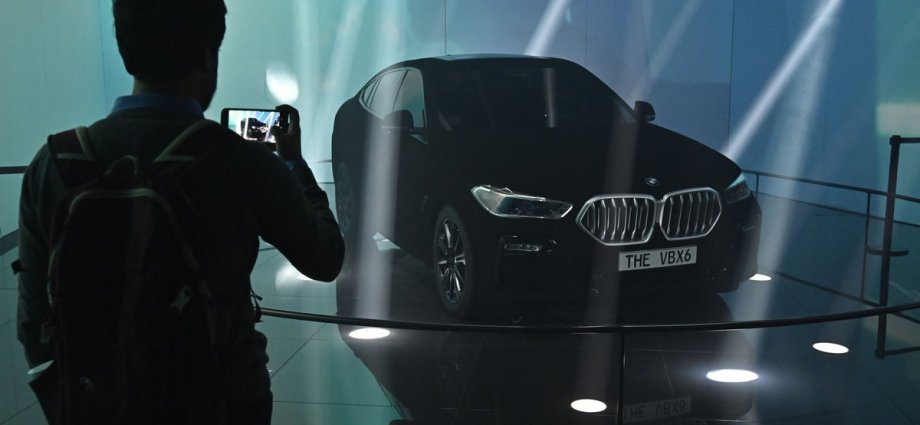
Scientists say they’ve figured out a way to make coating for cars darker than ever.
Things appear black because they absorb all wavelengths of visible light, according to U.C. Santa Barbara.
The new coating was created by increasing the number of wavelengths that are absorbed, scientific journal Cell Press reports.
“While current approaches to making black coatings rely on carbon black dispersions alone to absorb intrinsic light, imposing a limit on how black the coating can be, the team’s new approach uses ‘structural absorption,’” the journal explained in a release on Thursday.
This new method helped push “the material’s light absorption efficiency to new levels…enabling it to absorb an average of 99.9 percent of visible light wavelengths.”
Structural absorption refers to how a material’s surface shape enhances its ability to absorb light and carbon black dispersions are mixtures that contain soot.
There is still room for future improvement, author Zhiwei Liu, a research chemist with the Nipsea Group’s Color Technology division, explained.
But the new color will add to options for luxury vehicle owners and it meets current automotive standards.
“Deep black finishes have long been the premium choice and signature color for luxury cars due to their elegant appearance, powerful visual impact and luxurious undertone,” Liu said.
“As a result, automotive coating companies have been actively pursuing innovations in color technology to develop mass-processable ultra-black coating solutions with extreme blackness,” he noted.

Still, it may be a while before these color cars will hit the market. More tests need to be done, according to Liu.
“Further efforts will focus on the verification of coating application window and the comprehensive film performance validations of carbon black pigment-carbon nanotubule composite-based ultra-black automotive coating,” he said.
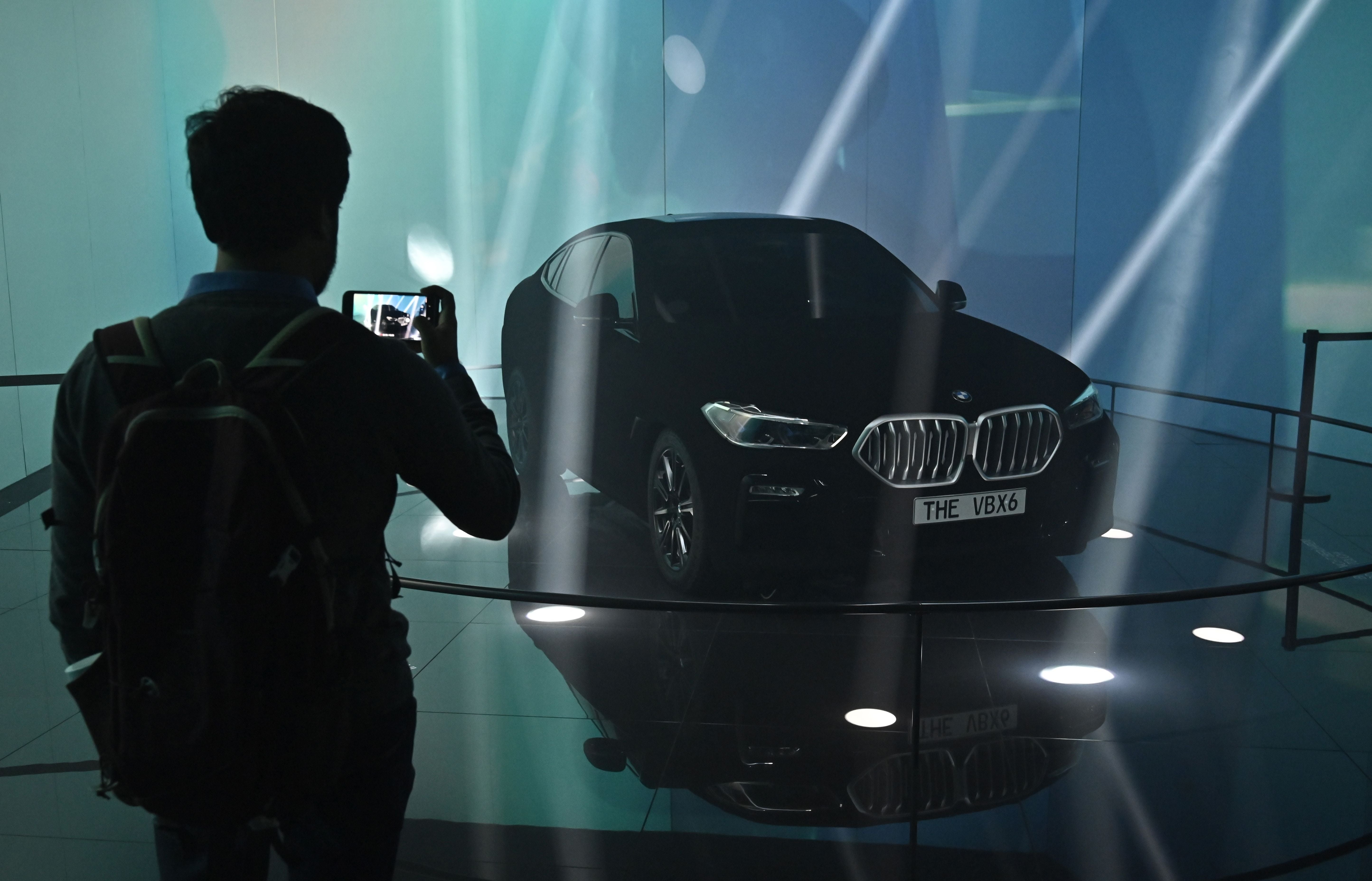
A conceptual BMW vehicle was designed with a similar coating in 2019, known as the X6 Vantablack. It also devoured over 99 percent of visible light wavelengths, according to BMWBLOG.
It was a one-of-a-kind showpiece and reportedly estimated at over $300,000, the outlet said. But environmental conditions would degrade the quality of its pigment.