









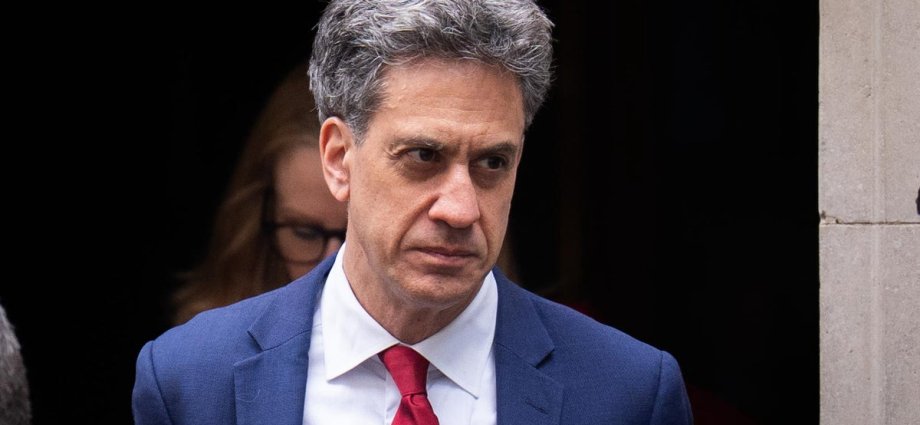
Ministers have set out the UK’s next step on the journey to net zero by 2050 as part of the country’s latest “carbon budget”.
The government has signed up to a legal target to cut the UK’s planet-heating emissions by 87 per cent by 2040, Ed Miliband has confirmed, in line with official advice from the independent Climate Change Committee (CCC).
The group has said that meeting the target will require households to install heat pumps instead of new boilers, switch to electric cars and eat less meat and dairy, but families could save hundreds of pounds a year by mid century in the shift away from fossil fuels.
Announcing the country’s seventh carbon budget, the former Labour leader said: “As Britain faces the second fossil fuel shock of the decade, the only way to protect family and business finances is to drive for clean homegrown power that we control.
“Some people want to stick their heads in the sand and let our children face the consequences of climate breakdown – but this government believes in the timeless British value of protecting our country for generations to come.”
The government’s renewed net zero drive is just the latest in its green announcements, all of which are part of the bigger picture of delivering on the target.
Here’s what the government’s net zero goals could mean for households in the UK.
Solar panels and heat pumps
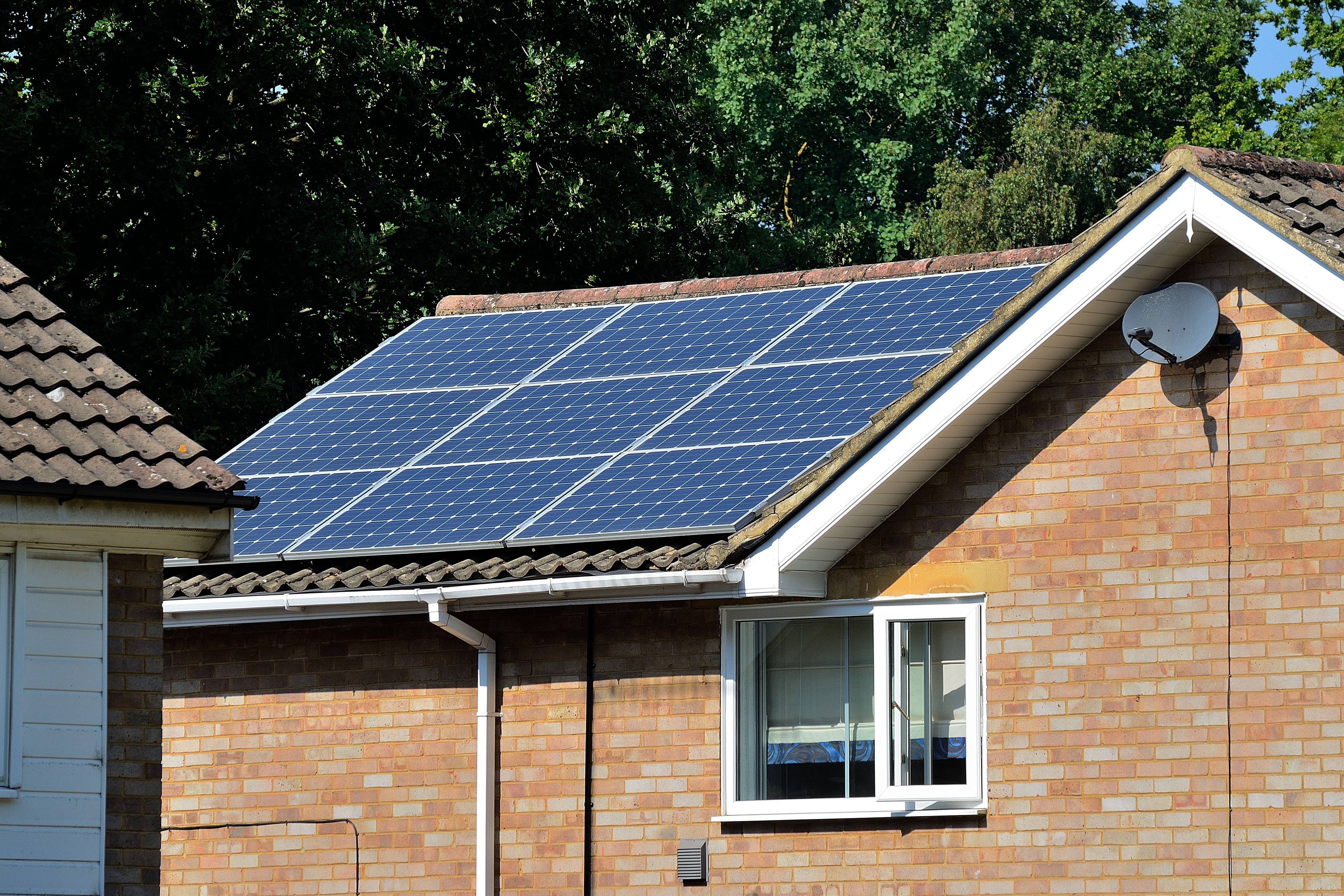
Electrification forms the cornerstone of Labour’s net zero drive, meaning a move away from fossil fuel-dependent technologies and towards green tech. Two of the most of common forms households will be aware of are solar panels and heat pumps.
Many households and businesses are already making the shift to this tech, with the highest monthly deployment of solar panels in March for more than a decade. In 2025, a heat pump campaign was launched as a record 125,000 units were sold in the year, up 27 per cent from the year before.
The government’s Warm Homes Plan is also designed to deliver £15 billion of public investment to upgrade up to 5 million homes and lift up to a million families out of fuel poverty by 2030.
Some households are fairly concerned about the upfront costs for these technologies. To address this, grants of up to £7,500 are available for heat pumps, and tax relief on solar panels plus help for low-income and vulnerable households to afford them.
Tazu Walden, a researcher at the IPPR, said: “I think like the biggest barrier to a lot of that clean tech is upfront cost. It is more modern, and they are in a lot of cases more cost effective in the long term, but obviously until your boiler breaks or until your car needs to go to the scrap, you’re not thinking about making that upgrade and it’s a huge upfront investment”
“[The Warm Homes Plan] means more money than we originally thought is going to go into getting people that tech… making that as fair as possible.”
Electric cars
Another form of green tech which has been emerging over the past decade or so, electric vehicles – or EVs – are now more common on the UK’s roads than ever.
Their growth is only set to continue, with the sale of new petrol and diesel vehicles banned from 2030 (and hybrids to follow from 2035). The government also offers grants worth up to £3,750 for certain EV models
Electric cars can save drivers up to £1,400 annually to run and are estimated to be cheaper to purchase than petrol alternatives at present.
Bills and security
The move to net zero and homegrown energy will also help deliver on “greater energy security”, the Department for Energy Security and Net Zero (DESNZ) says.
Its new carbon budget comes as economies across the globe grapple with the fallout of the US-Iran war, sparked by president Donald Trump’s decision to invade the Middle Eastern nation in February.
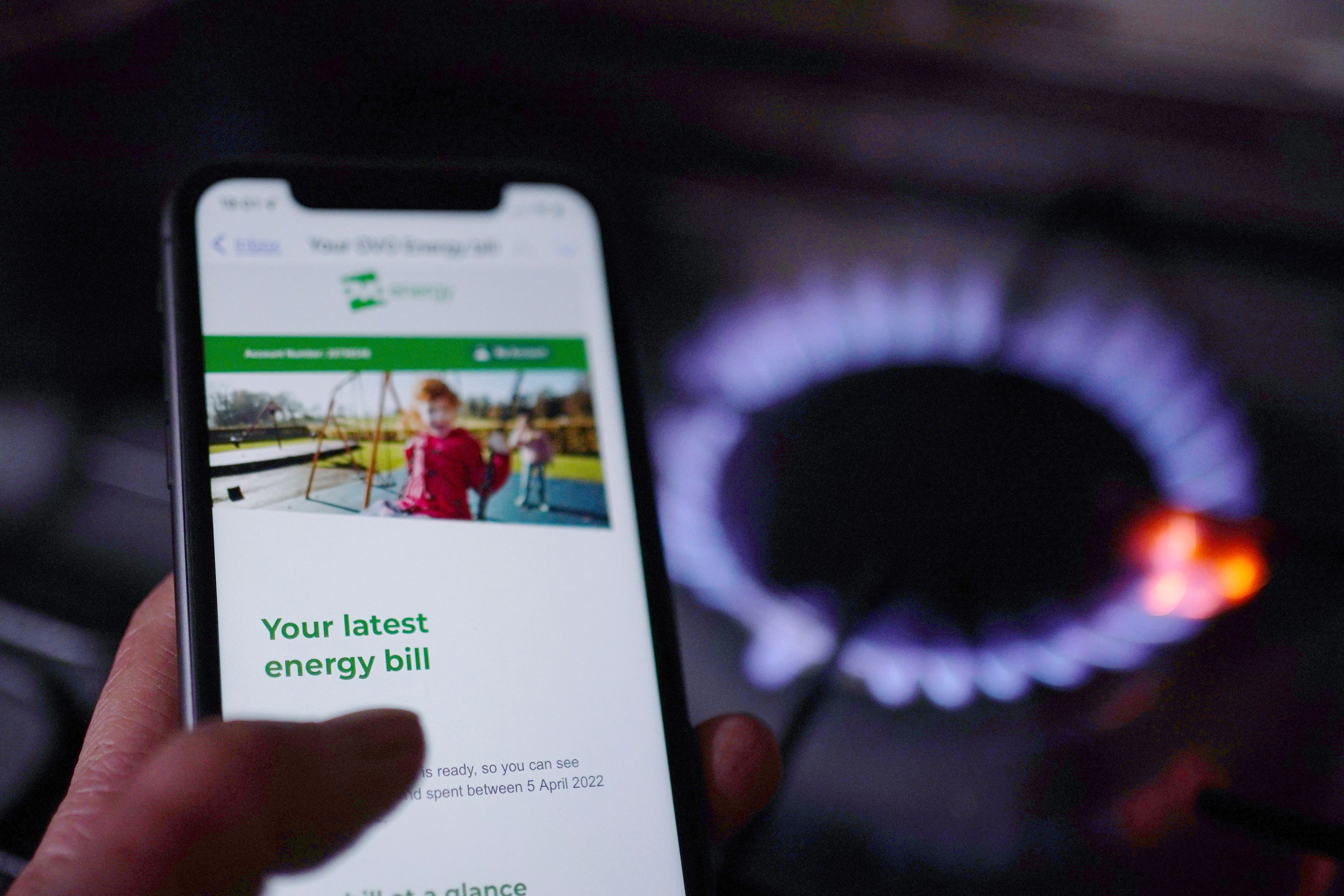
Subsequent months have seen gas prices skyrocket, hitting the cost of essentials like energy, fuel and even food.
This is due to the effective closure of the Strait of Hormuz, through which around 20 per cent of the world’s oil and gas supply is shipped. Although located thousands of miles away, the sudden impact on the international market has caused gas prices to rise for all countries.
According to DESNZ, half of the UK’s recessions since 1970 have been caused by fossil fuel shocks like this one. Investing in domestic renewable energy production will “get the UK of the rollercoaster”, it adds, better protecting consumers from international price hikes.
Estimates indicate that by 2050, the UK could cut its reliance on fossil fuels from around three quarters of its energy today to around 15 per cent.
Ms Walden said: “When Russia invaded Ukraine, you saw that electricity prices were already lower and less exposed to just the gas price itself. There’s one degree of separation, and that’s because not all of our electricity comes from gas. The more that we have that comes from renewable sources, the more that insulates us from the gas price”
However, the researcher adds that the government need to be wary of excessive profits that could be made from private contractors who are upgrading the UK’s energy grid.
“The government needs to be hawk-eyed about all the different places in which consumers could be saving money,” she warned.
New green jobs
Alongside the potential to lower costs for all households, the move to net zero also offers concentrated benefits for indviduals who move into the sector.
Around 1.1 million workers are now supported by the UK’s net zero economy, a recent report by the Confederation of British Industry’s (CBI) economics consultancy showed. These include roles like solar panel installers and electric car engineers, delivering an estimated £105 billion in economic value last year.
The government is looking to support over 400,000 additional clean eneryg jobs by 2030. According to the CBI, these roles were 48 per cent more economically productive than the UK average, generating £119,300 in economic value per full-time job and attracting an average wage of £43,142.
Ms Walden said that these statistics “demonstrate that climate and climate action and net zero is good for growth.”
Reducing meat consumption?
One less certain aspect of the government’s plan is its stance on reducing the UK’s meat consumption, which experts have recommended is crucial in the move towards net zero.
The CCC advice to the UK on its carbon budget “eat less meat and dairy” to curb agricultural emissions and alter land use. It has recommended a 25 per cent reduction in average meat consumption – and 27 per cent reduction in the UK’s cattle and sheep herds – by 2040.
The government has said it will not go so far as to tell people what to eat from an environmental perspective. Vegetarian and flexitarian diets in the UK are becoming more common, with roughly 23 per cent of the population estimated to actively be reducing their meat consumption already.