










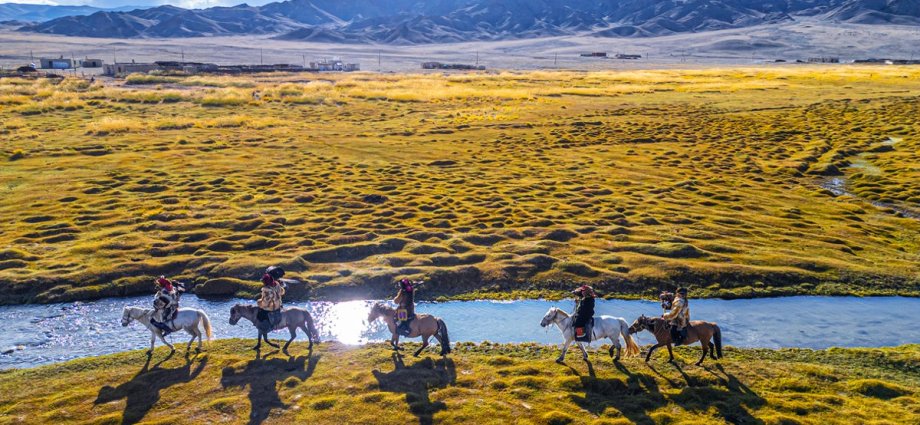
The bond between horses and humans goes back a long way: the animals have played a central role in our species’ expansion around the globe, as well as their long and storied use in warfare – even as recently as the Second World War.
It was previously thought that the earliest wild horses were tamed and domesticated was around 4,000 years ago, around 2200 to 2100 BCE, but new research has now pushed our relationship with horses back by over a thousand years.
“Horses were being ridden, worked, and traded long before anyone thought it possible,” said researchers at the University of Helsinki, writing in the journal Science Advances.
The research team used DNA, archaeological and bone records to examine the timeline of human use of horses through the centuries.
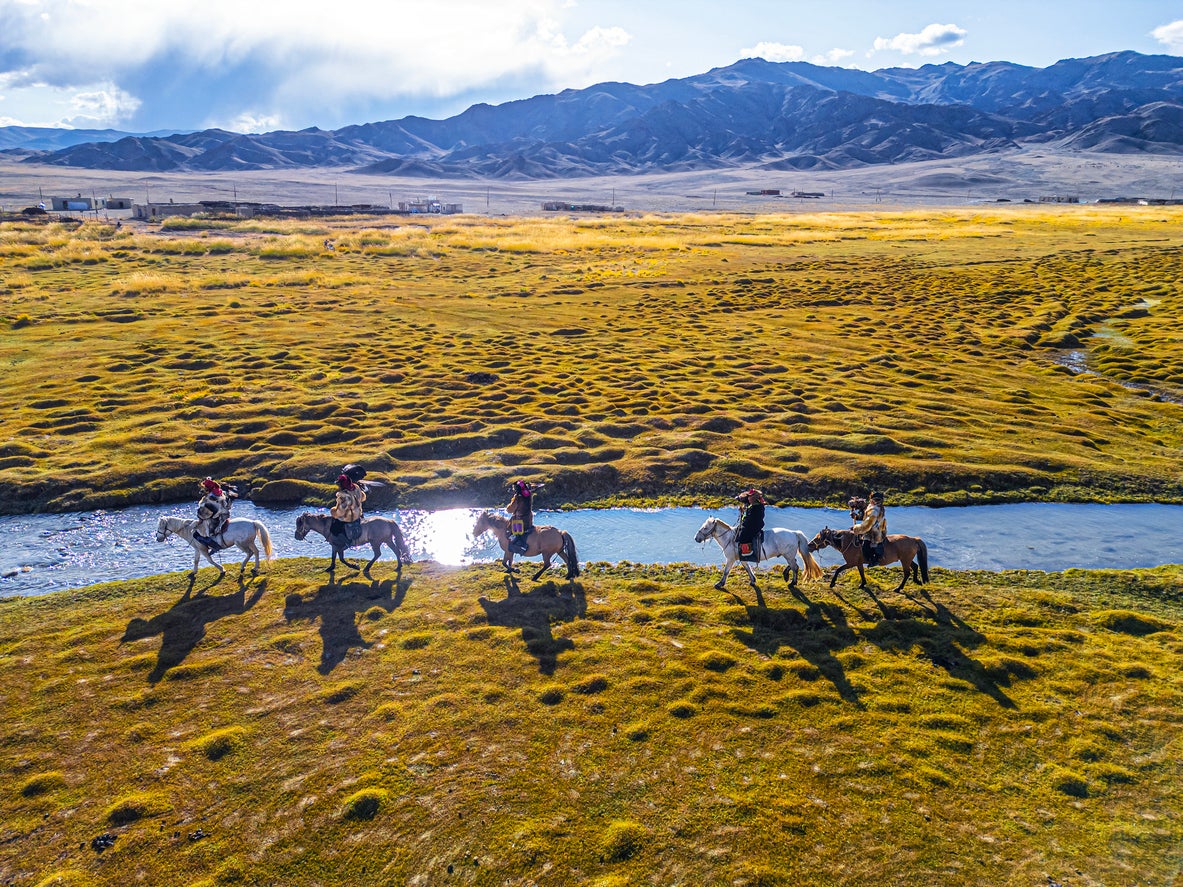
“Taming and domestication were not single events,” they said. Instead, it was “a slow, stop-start process, full of setbacks, playing out over generations and across vast regions, before full domestication set in shortly before 2000 BCE”.
The research revealed that three distinct horse populations once ranged from western Siberia to Central Europe, and they discovered that “taming efforts occurred independently across regions and populations around 3500 to 3000 BCE, if not centuries earlier”.
This pushes back the history of horse use by humans by at least 1,300 years.
“Horses were already being used in sophisticated, widespread ways before we could pin down full domestication,” said Professor Volker Heyd, co-lead author of the research. “That gap reshapes how we understand human history.”
In particular, the research suggests that the migration of Yamnaya people – who lived in modern-day Russia and Ukraine – into Europe and Asia around 3100 BCE triggered the most significant shift in European ancestry in the last 5,000 years, and could have been facilitated by the increasing use of horses.
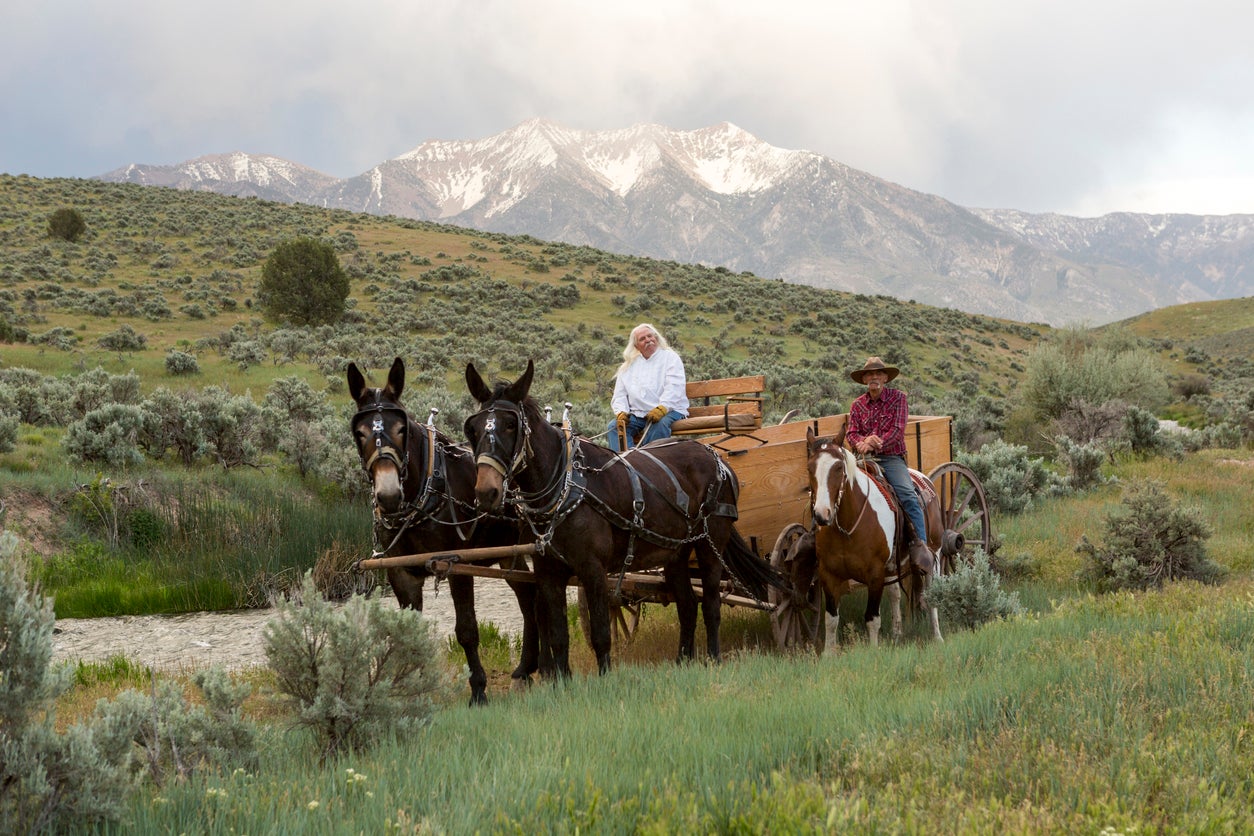
This rapid expansion, stretching roughly 5,000 km across Eurasia, was likely accelerated by early horse riding, the researchers said, helping spread people, technologies including the wheel, and possibly the first Indo‑European languages.
During this expansion, cattle pulled early wagons, and horsemanship developed, allowing riders to cover massive amounts of ground in hours – something which had hitherto been unthinkable. Both riding and using wheeled transport were key innovations that revolutionised human society.
“The horse carried people. And with them, words,” the team said, highlighting that the languages spoken across much of Europe and Asia today can be traced back to those early riders and wagon drivers.
Professor Heyd added: “The role of horses in major historical developments is almost too vast to measure, hence the saying that the world was conquered on horseback.
“Today, horses are a source of attraction, companionship, and friendship for many people. Therefore, it is important to learn about the earliest stages of human–horse relationships and how this unique partnership first emerged.”