










Nevada health officials say they are conducting an investigation after two people staying at a five-star Las Vegas hotel and casino contracted Legionnaires’ disease.
The guests of the Wynn Las Vegas resort stayed there separately last September and February of this year and were exposed to Legionella bacteria, which causes the severe form of pneumonia.
“Both individuals have since recovered,” the Southern Nevada Health District said in a statement this week.
Environmental testing conducted by the district showed multiple samples from the facility tested positive for the bacteria.
Since then, the resort’s efforts to sanitize its water system have proved effective and the most recent tests show no detectable levels of the bacteria in the affected areas, the district said.

The resort is continuing testing to ensure its guests and water systems remain safe and has notified guests regarding potential exposure to Legionella.
Anyone who stayed at Wynn Las Vegas on or after September 1, 2025 is being urged to complete a confidential illness survey, even if they experienced mild symptoms and those symptoms have already stopped.
“Immediate, proactive steps were taken to remediate the system and ensure the highest standards of water quality,” a spokesperson for Wynn Las Vegas told PEOPLE.
“Ongoing testing conducted in coordination with the [district] confirms there is no ongoing risk to guests, and a comprehensive water management safety plan has been implemented to prevent recurrence,” the spokesperson said.
The Independent’s request for comment from the resort was not immediately returned.
Most healthy people exposed to Legionella do not get sick, officials say.
But one out of every 10 people sickened with Legionnaires’ disease will die from complications, including lung failure and death, according to the U.S. Centers for Disease Control and Prevention.
Legionnaires’ disease symptoms usually start to show within 2-10 days after people are exposed to the bacteria.
Common symptoms include a cough, shortness of breath, fever, muscle aches and headaches for up to two weeks after exposure.
People can get this disease by breathing in mist containing the bacteria. Fortunately, it is not transmitted from person to person.
People with compromised immune systems, those under the age of 50 years old and smokers are at an increased risk of falling ill.
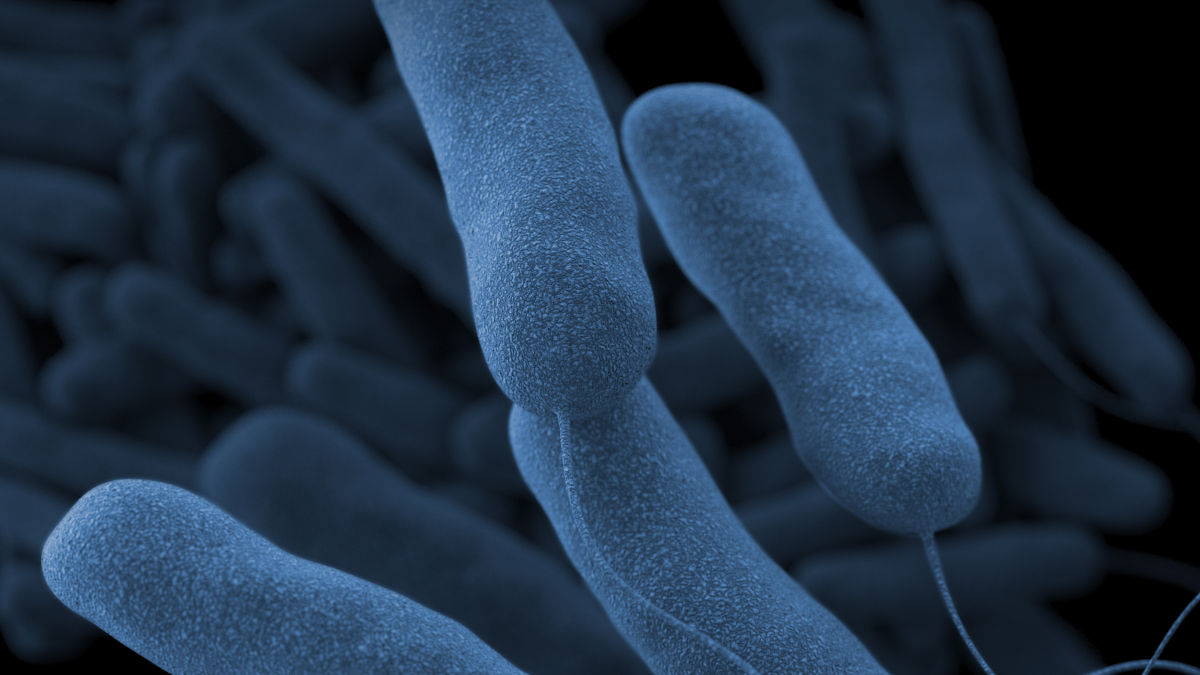
There are around 6,000 Legionnaires’ disease cases reported each year in the U.S., the Occupational Safety and Health Administration says.
However, scientists believe the reported totals are much lower than the actual cases due to trouble distinguishing the disease from other types of pneumonia.
The disease has been detected in all 50 states, and cases have been rising since the early 2000s. Higher temperatures fueled by climate change are partially to blame, researchers say, providing ripe conditions for bacterial growth.
Other cases this year have been reported in New York and North Carolina.
Cases in North Carolina have risen from 201 in 2024 to 310 last year, the state’s Department of Health and Human Services said in a release earlier this month.
The department said people should flush out their faucets or showerheads if they have not been used for three or more days, drain garden hoses, clean CPAP machines and regularly disinfect hot tubs.
“The primary way to prevent Legionnaires’ disease is to control the growth and spread of Legionella in home water systems and in facilities with shared water systems,” the department said.