









Sir Keir Starmer will chair a meeting this week to discuss the ongoing economic impact of the Iran war, which he warned could continue “for some time”.
The prime minister will convene the Middle East Response Committee with representatives from the Bank of England to discuss the war’s economic consequences in the shadow of rising oil prices.
The meeting comes as oil prices hit a near three-week high on Monday, as the Strait of Hormuz remains blockaded as peace talks between the US and Iran stall.
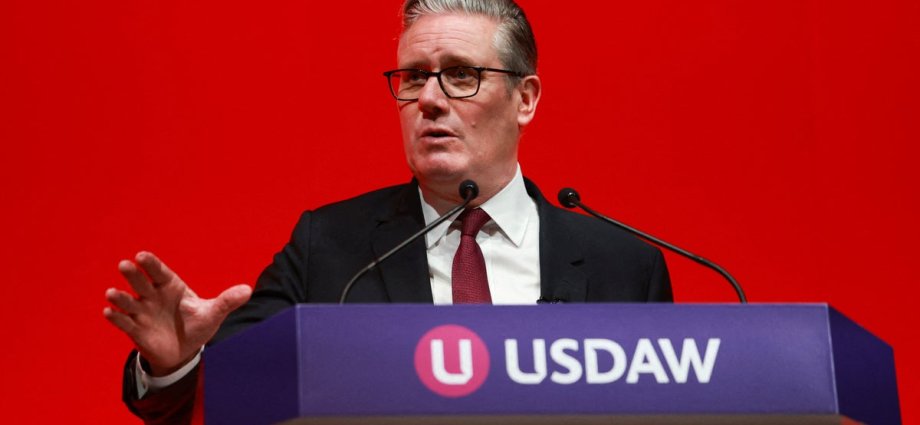
Speaking in Lancashire on Monday, the prime minister said he had called the meeting on Tuesday “so you can be sure we will stand by working people in this crisis”.
However, he told the Usdaw union’s conference: “I have to level with you about Iran.
“The truth is the economic consequences could still be with us for some time.
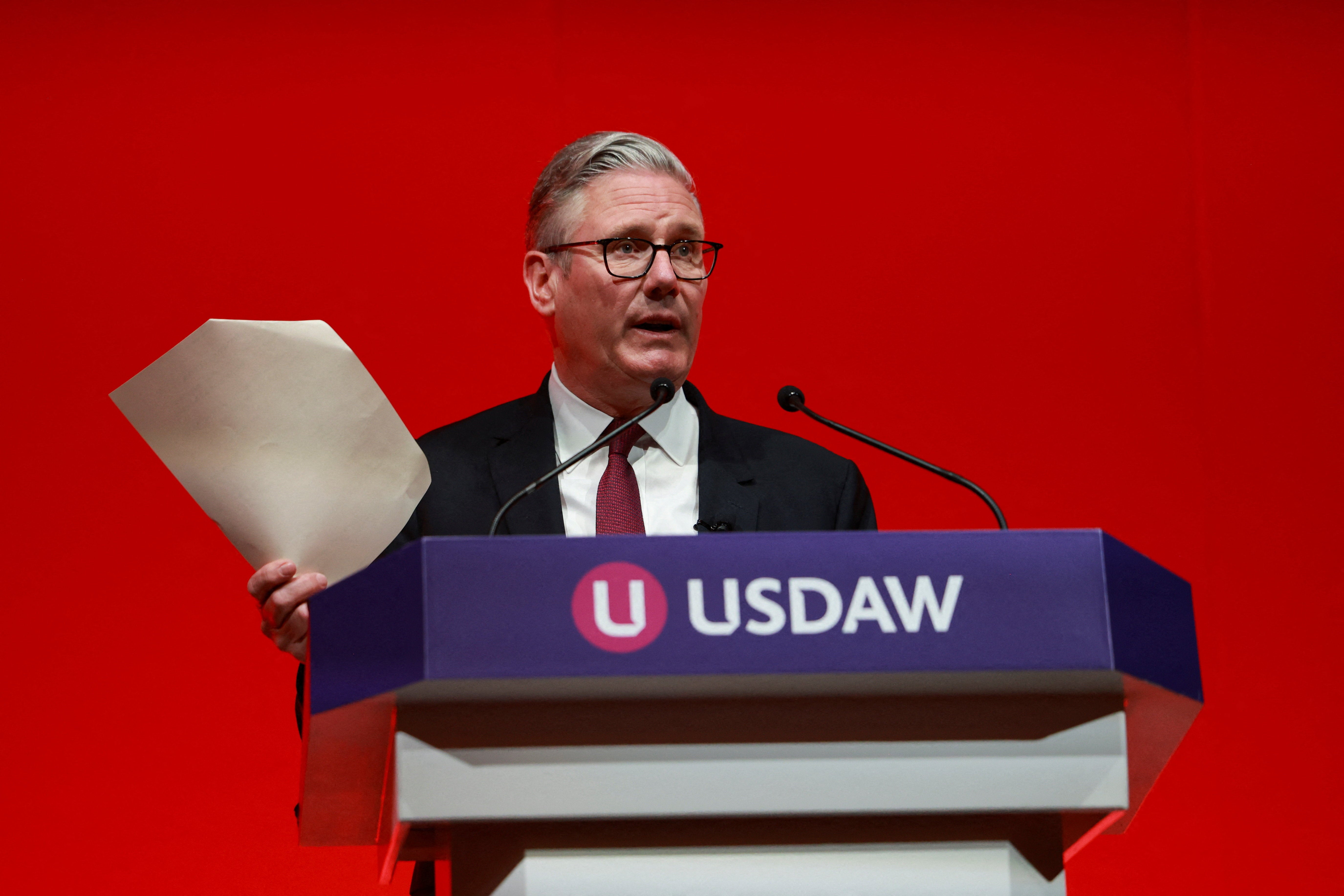
“You don’t need to be a politician to know that, you can see it on every petrol forecourt across the country.”
The Middle East Response Committee – which was set up as a new Cabinet committee to deal with the fallout from the Iran conflict – will discuss the domestic impact of the conflict.
Despite the US president indefinitely extending the ceasefire between Washington and Tehran, a permanent resolution has yet to be agreed and the crucial Strait of Hormuz, through which a fifth of the world’s oil supplies are carried, remains effectively blocked.
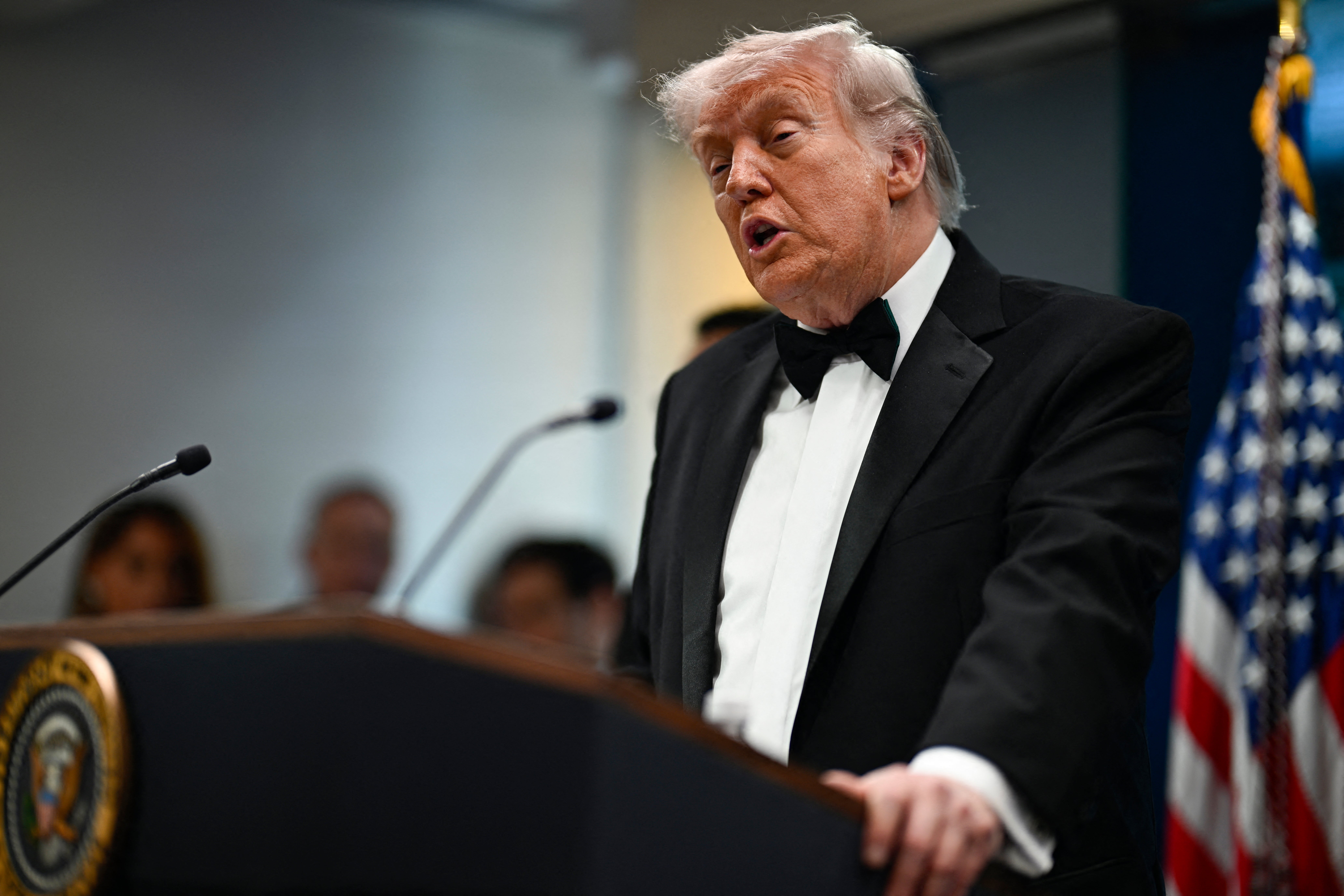
Oil prices continue to rise after negotiations between Iran and the US broke down, with Donald Trump declaring over the weekend that envoys would no longer be travelling to Pakistan for talks due to a lack of progress.
Mr Trump told Fox News on Sunday: “If they want, we can talk but we’re not sending people.”
The cost of benchmark Brent crude continued its ascent, rising 2 per cent to just under 108 US dollars a barrel in early morning trading on Monday, rising back up to levels seen before the first round of peace talks began in early April.
Labour have been under pressure to lay out measures to protect Britons amid the rising prices and uncertainty.
At the Usdaw conference, Sir Keir reiterated that the Government had capped household energy costs until July, regardless of what happens in Iran, while fuel duty is scheduled to remain frozen until September.
But on Sunday, the chief secretary to the prime minister, Darren Jones, warned price hikes as a result of the conflict will be felt for at least eight months after the war ends.
He said people will see higher energy, food and flight prices “as a consequence of what Donald Trump has done in the Middle East” and said there will be a “long tail from this”.