











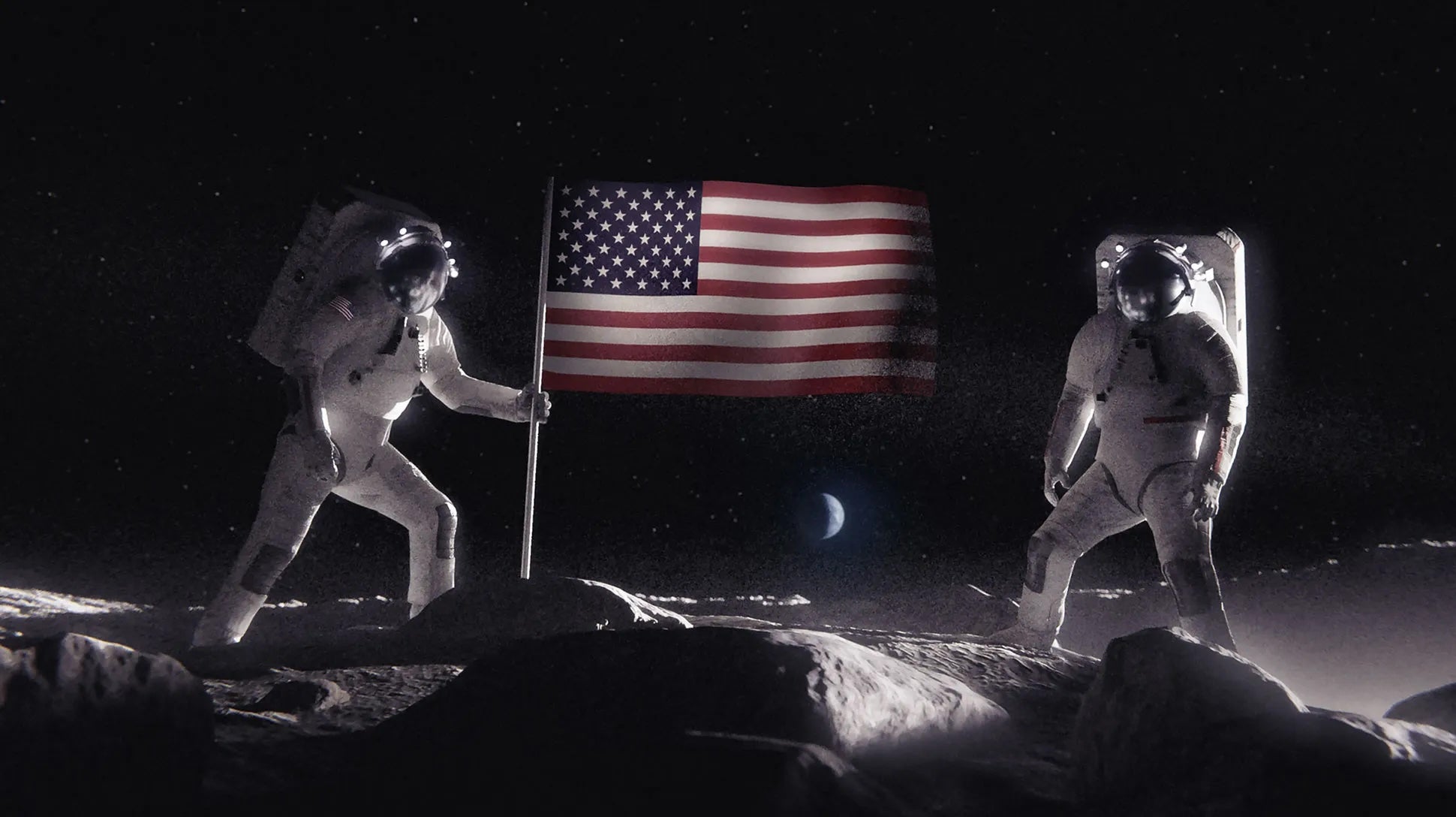
NASA’s highly-anticipated lunar landing is slated for 2028 – but a new watchdog report says it could be delayed into the 2030s if one critical piece of astronaut equipment is not go for launch.
If there are further design and testing hurdles for the Artemis astronauts’ next-generation spacesuits – delays that are “in line with the historical average for recent space flight programs” – NASA’s Office of Inspector General warned Monday that the suits may not be available until 2031.
That would push the Artemis IV mission – the first landing on the moon since 1972 – back by at least three years, and any subsequent missions to the moon or Mars as well.
It also means that new suits probably won’t be ready for testing before the International Space Station is set to be decommissioned in 2030, where NASA hoped to try the suits out.
The suits were first commissioned by commercial space companies Axiom Space and Collins Aerospace in 2022, to the tune of $3.1 billion. But Collins Aerospace dropped out in 2024, as it was unable to meet NASA-imposed deadlines.
In a response to an inquiry, NASA pointed The Independent to statements from NASA included in the report.
The remarks defend its contract-based approach and note that Axiom Space recently “achieved a significant milestone in the development of the next-generation lunar spacesuit with the completion of a contractor-led technical review that advances toward a formal NASA assessment of the design’s readiness for Artemis III.”
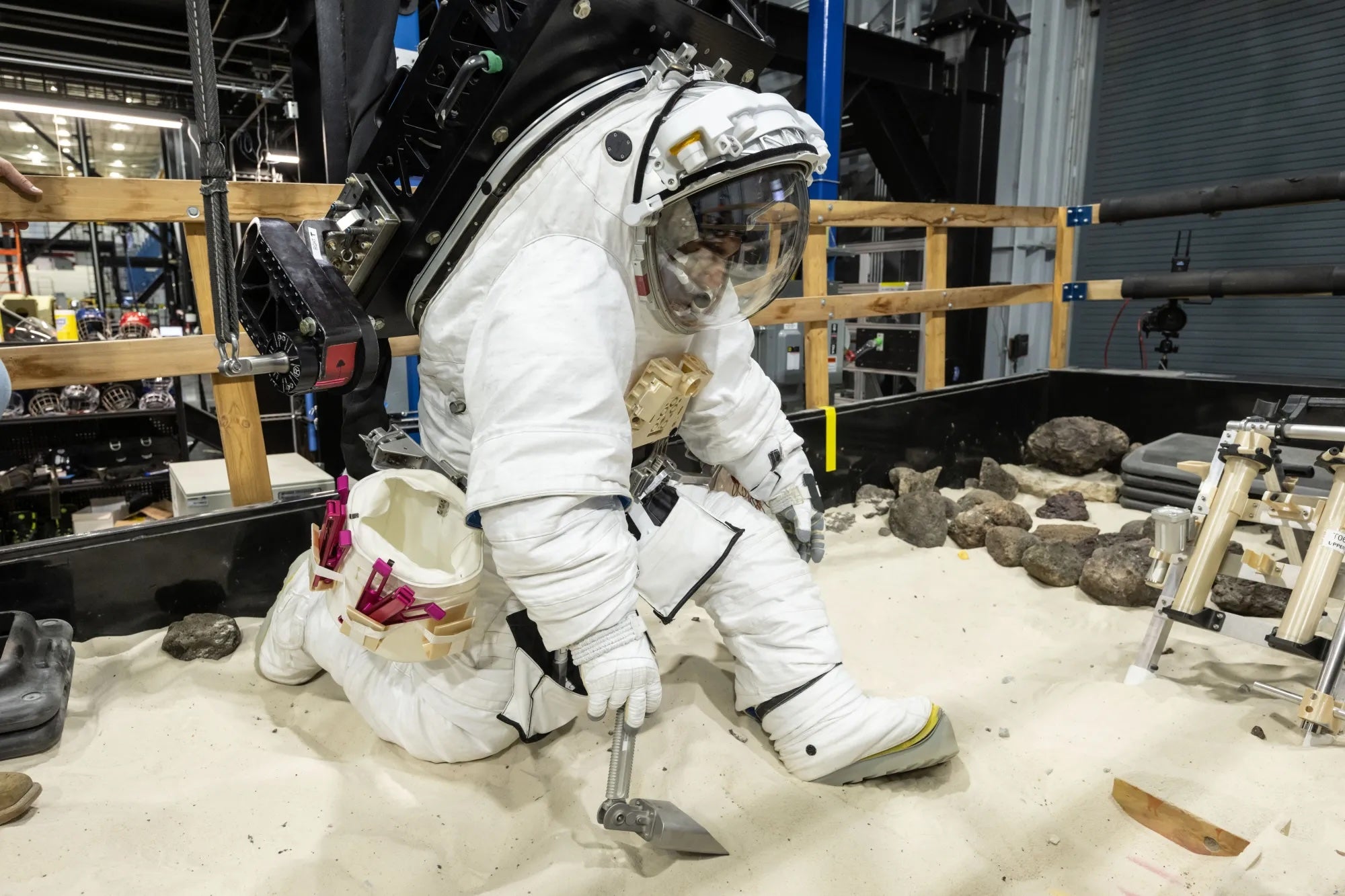
“This assessment is a NASA-led critical design sync review that will provide an opportunity to confirm that the design’s hardware and systems are on track for final testing and delivery,” Dr. Lori Glaze, NASA’s acting associate administrator for NASA’s Exploration Systems Development Mission Directorate, said, noting that testing for mobility, heat control and dust tolerance is underway.
“This progress underscores continued confidence that the spacesuit development effort is advancing as planned and remains aligned with the schedule required to support the lunar surface mission by 2028,” she wrote.

The Independent’s requests for comment from Axiom Space and Collins Aerospace were not immediately returned.
NASA had initially proposed 2025 for demonstrations of the suits. But that timeline was not realistic, according to the OIG.
“NASA’s original schedules to demonstrate the lunar and microgravity spacesuits in 2025 and 2026, respectively, were overly optimistic and ultimately proved unachievable, as evidenced by delays of at least a year and a half for both spacesuits,” the report said.
The OIG also hit at NASA’s choice to use private companies to develop and rent out the suits, because the contracts “conflicted with the developmental nature of next-generation spacesuits, which carry higher levels of technical, financial, and schedule risk” and “there was no commercial market for spacesuits prior to the xEVAS effort.“
If Axiom cannot meet NASA’s deadline, NASA could be forced to use the “problematic” Extravehicular Mobility Unit suits worn right now on spacewalks “throughout the life of the ISS and significantly adjust its lunar plans.”
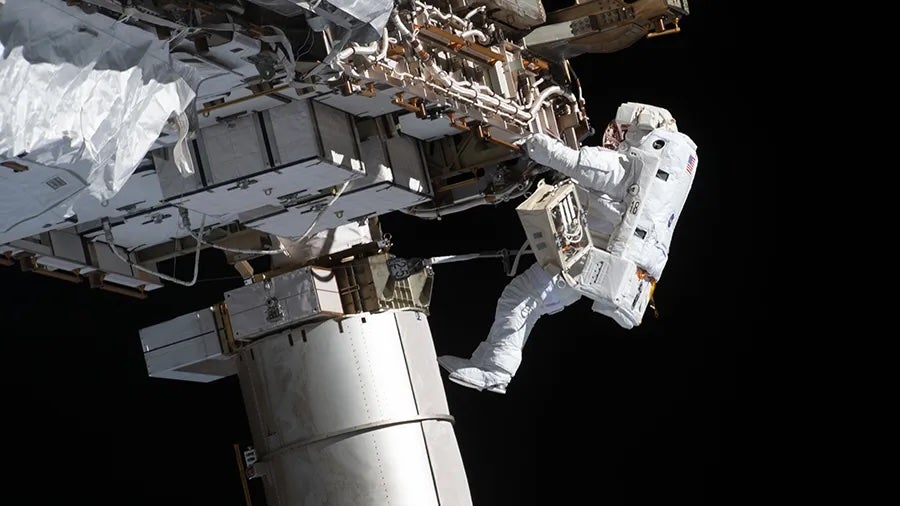
The EMU suits were designed over 50 years ago, according to NASA, and have had no major updates for at least two decades.
Axiom’s new microgravity suits include increased mobility for the astronauts and adjustability, as well as new safety technology, according to the company.
There are still other options for NASA – they’re allowed to see proposals from other contractors at any time and SpaceX has developed new suits – but the OIG says officials “do not believe that adding another provider at this time would help the agency achieve its immediate ISS and Artemis goals.”
The concerns about schedules are “not surprising,” Cathleen Lewis, curator of International Space Programs and Spacesuits at the Smithsonian Institution’s National Air and Space Museum, told Scientific American.
“Historically, the space suit has been the last piece of the human spaceflight puzzle,” she said.
NASA’s OIG previously warned about challenges with spacesuit development in 2017 and 2021, and the agency’s timeline to land humans on the moon has been continually pushed out since the Biden administration.