










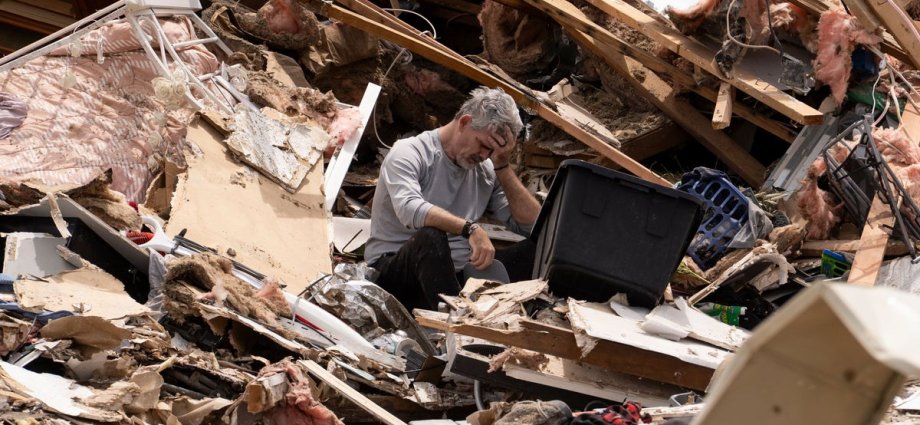
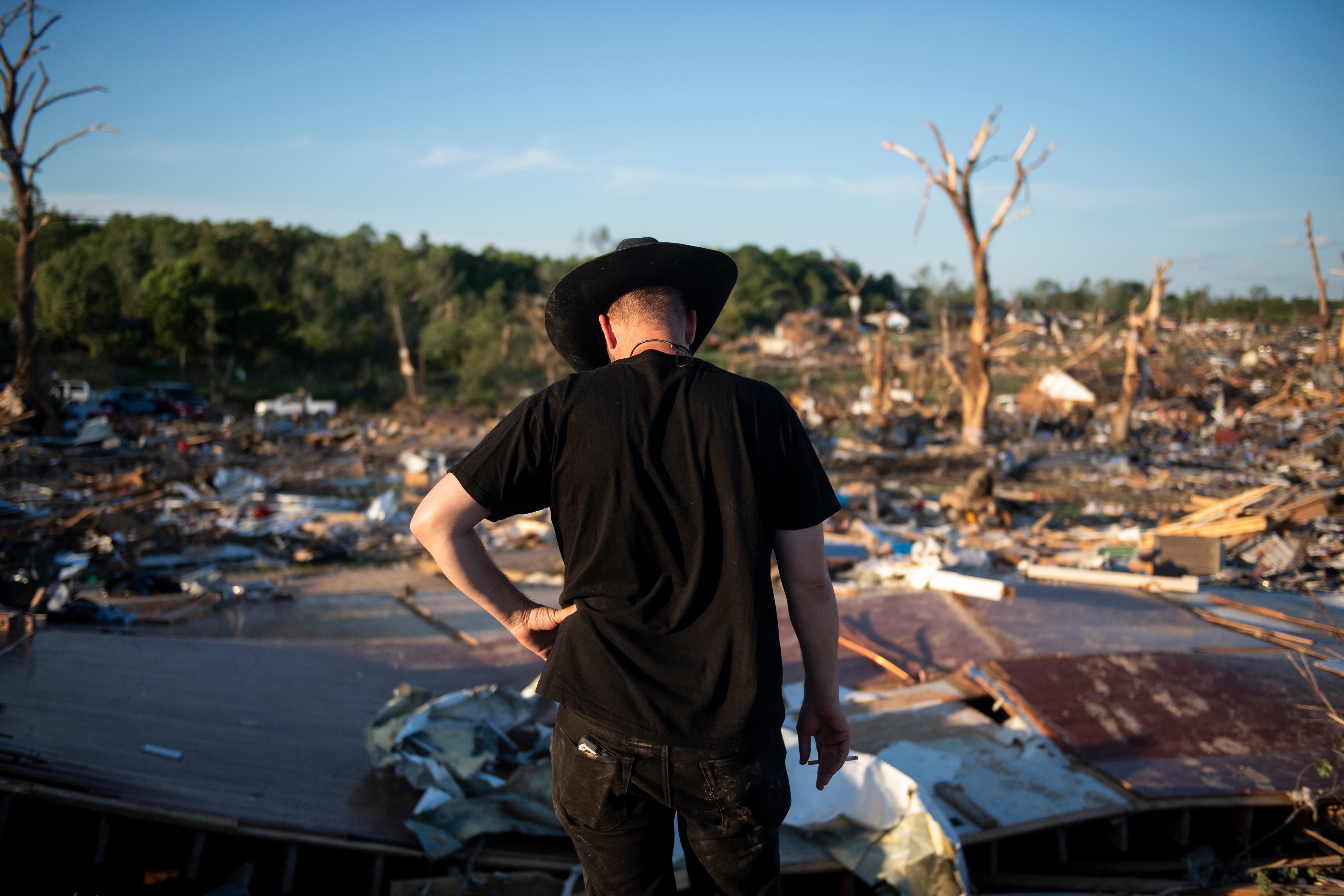
The small town of Enderlin, North Dakota, experienced America’s first EF5 tornado in more than a decade last June, a twister strong enough to rip bark from trees and blow a train off its tracks. Three people were killed and 10 homes destroyed by the tornado that was 12 miles wide and packed 200 mph winds.
The U.S. experienced 1,559 tornadoes last year, the fifth highest number on record. This year isn’t shaping up to be quite so severe partially due to a “super” El Niño, a climate pattern that forms near the equator and leads to stormier weather globally.
Between 1,050-1,250 tornadoes are expected in 2026, according to Accuweather, with the majority of twisters expected to strike in May. The most at-risk areas are along the Gulf Coast and across the Plains.
However, the climate crisis is potentially causing a change in tornado behavior and location, scientists say. “Tornado Alley,” which refers to the area long plagued by twisters, has been shifting east due to drought and warming in the Gulf of Mexico, Accuweather says.
Ahead of this spring and summer’s outbreak, emergency managers around the country are racing to prepare residents.
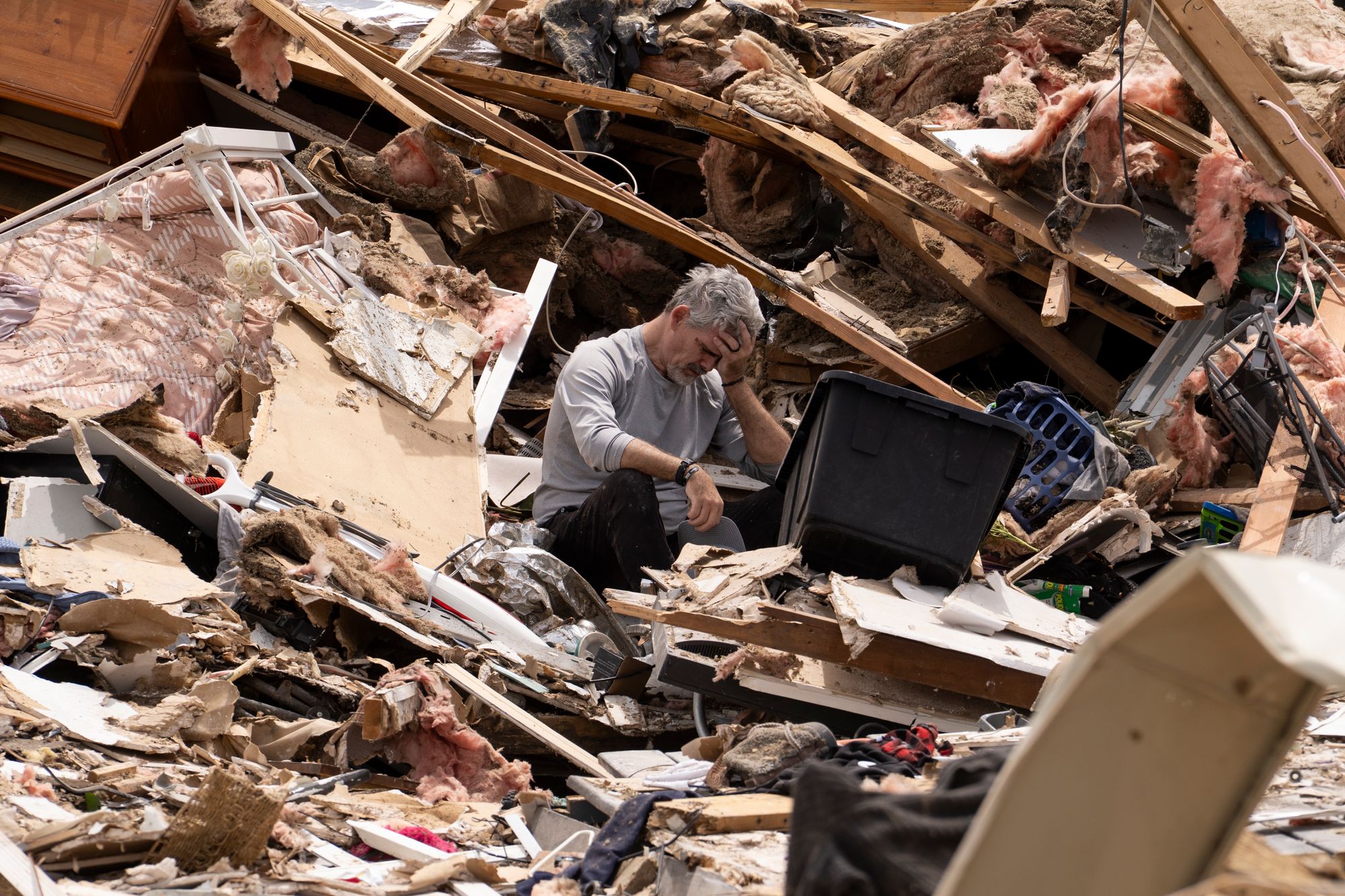
They know how destructive these tornadoes can be if they don’t.
“There were whole swaths of trees that were cut out, maybe 300 yards wide,” Cole Baker, the new emergency manager for Enderlin’s Cass County, said of the EF5.
Baker’s number one piece of advice? Residents in tornado-prone areas should stay aware of impending threats and any changes in the forecast, he told The Independent.
Even when outdoor tornado warning sirens go off, residents might not be able to hear them over the winds, he said. “With that, it’s incredibly hard to hear if you’re inside and the wind sounds like a freight train outside. You’re not going to be able to hear those sirens.”
Text message alerts are also sent to cellphones in affected areas from local, state and federal agencies, including the National Weather Service.
But in remote or rural areas, cell service may not always be reliable or go out – during the disaster in Enderlin, the radio tower was knocked down and cell service was disrupted.
There also remains a small percentage of the population who do not have a cellphone. In these instances, residents are asked to rely on TV, radio and checking the internet that runs on satellites and fiber optic cables buried deep underground.
That advice is echoed by emergency managers in rural areas across the country.
“If the outdoor warning sirens go off, go inside. If your NOAA Weather Radio goes off, turn on the TV, pay attention to your local meteorologist. And if your phone goes off, head to your safe space,” Brian Burgess, Williamson County Emergency Management director, told The Independent.
A dangerous change
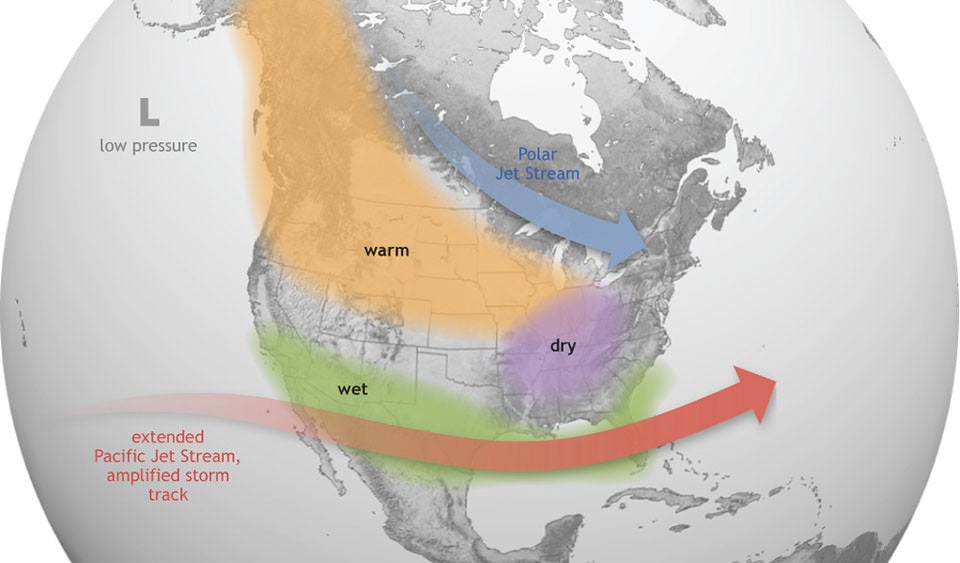
The global El Niño phenomenon creates warmer and drier weather in northern U.S. states, and wetter conditions in the south, as well as heightened hurricane activity in the Atlantic Ocean.
It creates ripe conditions for tornadoes to emerge in the south from spring into late summer, Paul Pastelok, a senior meteorologist at AccuWeather, told The Independent.
“So, definitely look for a pickup in tornadoes as we get into June and July,” he said.
In April, Illinois, Missouri and Southern Iowa are expected to be tornado hot spots, before the action ramps up in the Tennessee Valley and Tornado Alley – which runs through Texas, Iowa, Kansas, Nebraska and Ohio – by June.
“It’ll be fighting some dry air, but I do think we start seeing more action in Kansas, Oklahoma and Texas during the months of May and June,” Pastelok said.
El Niño will also likely lead to more storms that cause tornadoes along the Gulf Coast. The takeaway? People should be prepared for the unexpected.
“I think people are going to see a change in what they’ve seen in the last couple of years,” he said.
Costly mistakes
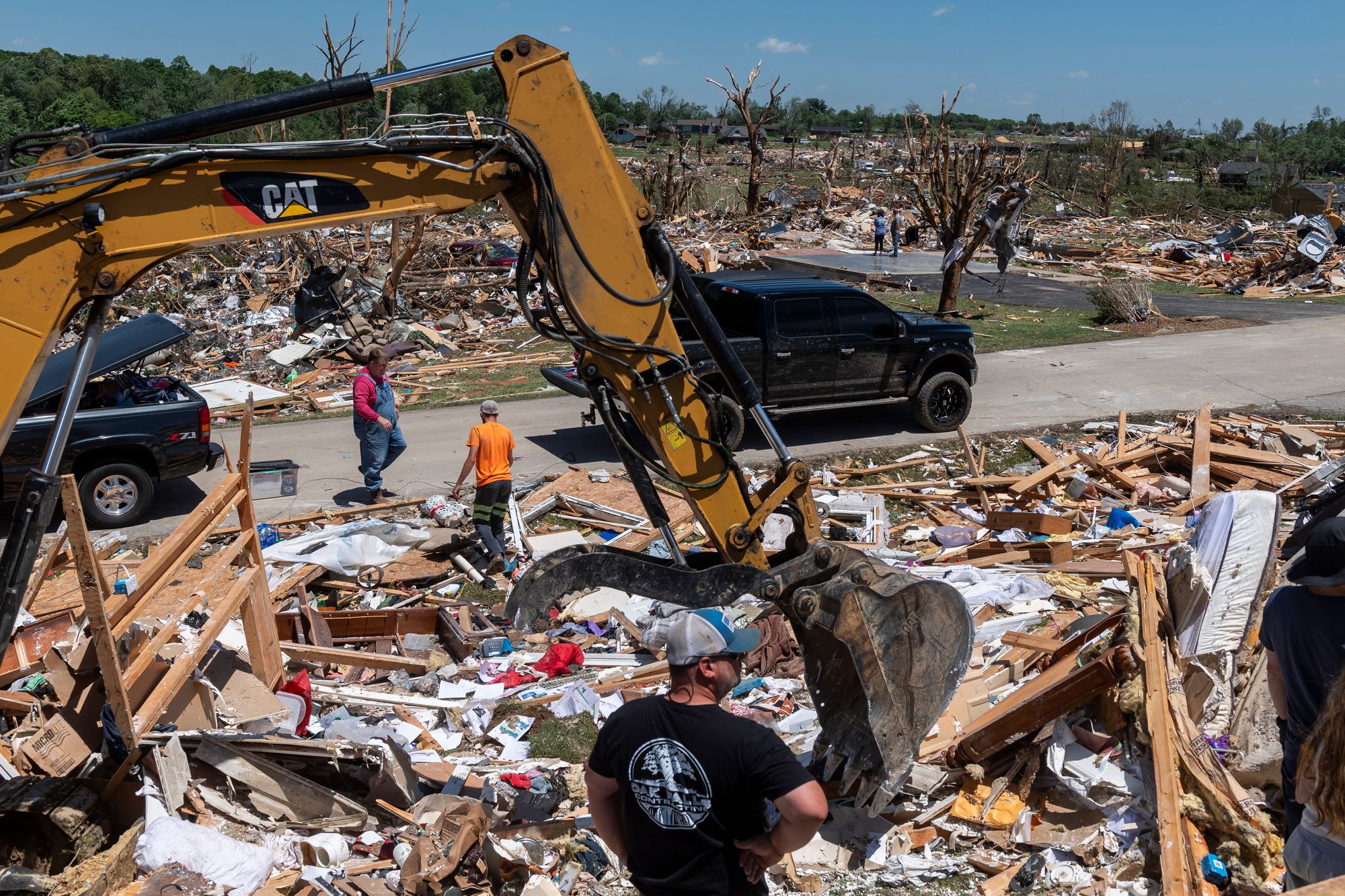
Burgess was in charge of responding to an EF4 tornado in Illinois last May which threw debris “into the middle of the tornado at 30,000 feet.”
There were no fatalities but seven people were injured and homes flattened. The total damage from that tornado outbreak, which also impacted Missouri and Kentucky, was between $9 billion and $11 billion.
Another key preparation ahead of tornado season is home insurance: making sure that your policy is updated to account for the current value of your property.
Insurance companies delayed giving victims of the Illinois tornado money to rebuild for months because the residents had not updated their policies to reflect the current value of their homes, NPR’s local affiliate reported, which had appreciated over time.
“Revisit your homeowner’s insurance frequently,” Burgess urged.
Still, if a tornado is barreling towards you, home insurance will not be the first thought.
If you hear a tornado warning siren or receive an alert, immediately seek shelter in a sturdy structure, the National Weather Service says.
If you are at home, go to your basement, a safe room or an interior room that is away from windows. In a public building, follow any tornado drills and make sure to avoid large, open rooms.
If you are outside or in your vehicle and cannot get to a building, seek out a ditch or ravine and cover your head with your arms . Being in a vehicle during a tornado is not safe because tornadoes can easily toss or pick up vehicles, leading to fatal injuries.
And while plumbing makes bathrooms sturdy, getting into your tub won’t always protect you, according to the American Red Cross.
That’s because many bathrooms are positioned along outside walls, have windows and are located on the upper floors of a home.
“If there is no time to descend, go to a closet, a small room with strong walls, or an inside hallway. Wrap yourself in overcoats or blankets to protect yourself from flying debris,” the National Weather Service’s Wichita, Kansas, office advises.