









Every UK household should be given enough energy to provide hot water, heat two rooms, and run key appliances at rates subsidised by the government, a major think tank has urged.
The New Economics Foundation (NEF) claims funding this ‘essential energy’ would cost around £4.5bn – roughly the same amount expected to be raised from tax revenues from the North Sea, where profits of energy giants are set to soar because of the high price of oil as a result of the conflict in the Middle East.
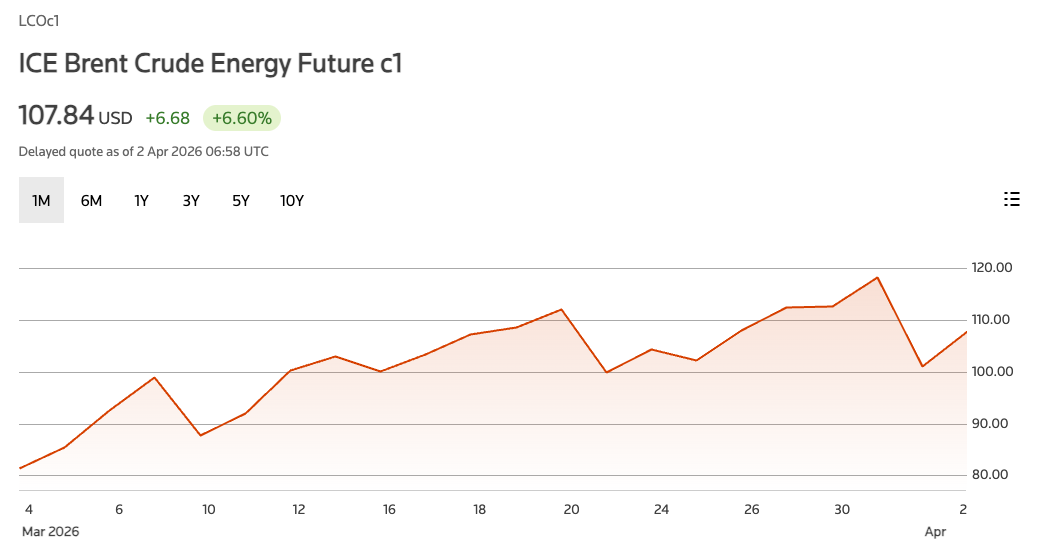
Oil prices dropped on Wednesday after President Trump announced a ceasefire had been agreed with Iran, but uncertainty about whether the fragile agreement will hold has seen the price of Brent crude rise by 2 per cent on Thursday, to $96.53 a barrel.
It remains significantly higher than at the start of the war, and concerns have been raised about the impact it could have on the cost of living for UK households.
The NEF claims its proposal could save all households £163, cutting the energy bills of the poorest families by 17 per cent.
Richer households should be encouraged to reduce their energy use by investing in insulation measures, it adds.
Dr Alex Chapman, senior economist at the NEF said: “We’ve barely emerged from one inflation crisis and now we’re being plunged into another. Despite this week’s ceasefire agreement, the aftershocks of this illegal war will hit us hard.
“Russia’s invasion of Ukraine was a lesson in why we need to change how our energy system and energy bills work – but we didn’t listen. Once again, fossil fuel giants and electricity generators are about to rake in mammoth profits while our energy bills go through the roof.
“Let’s not make the same mistake again – this government must protect households’ ability to meet their essential energy needs and our research suggests that they can do so by taxing those who profited the most from this war.”
NEF’s proposal, called an “essential energy guarantee”, would see the government protecting a portion of energy allowing households to meet their essential daily energy needs. This essential energy would be frozen at the current price cap rate for April-June.
Households consuming above this amount would pay market rates for any additional energy use. The research shows that higher-income households tend to use greater amounts of energy than lower-income households.
Green Party leader Zack Polanski said last month he would put aside £8.4bn to fund energy bill subsidies if he won an election. He would pay for that by increasing capital gains tax, he said.
Energy giants say the profits are a function of market conditions and that they need the money to invest in infrastructure and in the green alternatives the government prefers.
This NEF proposal differs from the “energy price guarantee” introduced in response to soaring energy prices in 2022, which capped the per-unit cost of energy for all households.
The energy cap is expected to rise by about £388 in July, which could leave dual-fuel households with bills of nearly £2,000 a year.
The first UK energy price cap was introduced by Ofgem in 2019 as part of an attempt to stop energy companies from reaping excessive profits from unsuspecting consumers.
NEF is a left-leaning think tank funded by donations. It is not connected to any political party.