










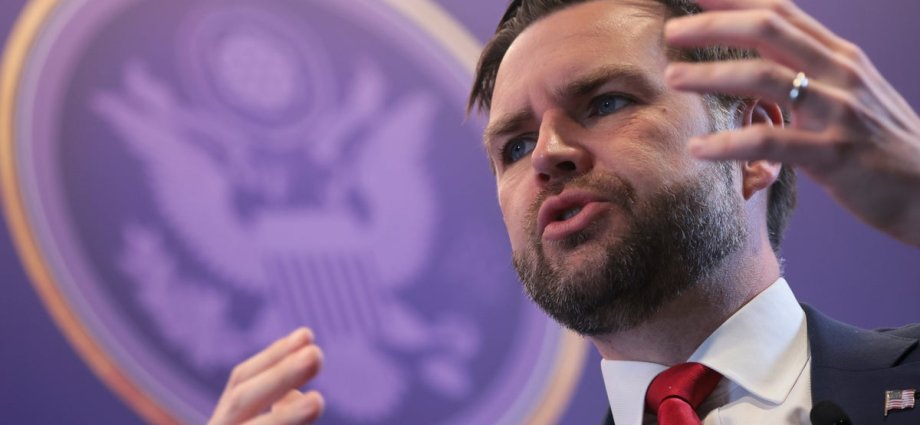
JD Vance has criticised the UK government and claimed “middle-class Brits” can’t afford to get to work because of soaring energy costs – while failing to acknowledge the price hikes have been driven by Donald Trump’s war in Iran.
In what he called a “scandal”, the US vice president claimed Britons “can’t afford to heat their homes, can’t afford to transport themselves to work” because the government “has made energy so expensive”.
His comments come against a backdrop of soaring global energy prices, triggered by Tehran’s decision to close the Strait of Hormuz in retaliation to US strikes.
The benchmark Brent crude oil price fell 14 per cent as news of a two-week conditional ceasefire was announced early on Wednesday, but Britons and households around the world are still expected to be hit with rising energy and fuel prices as a result of the blockade in the strait.
Speaking at an election rally in Hungary on Wednesday, where he is rallying support for prime minister Viktor Orban ahead of an upcoming general election, Mr Vance instead blamed the UK government for “making energy so expensive”.
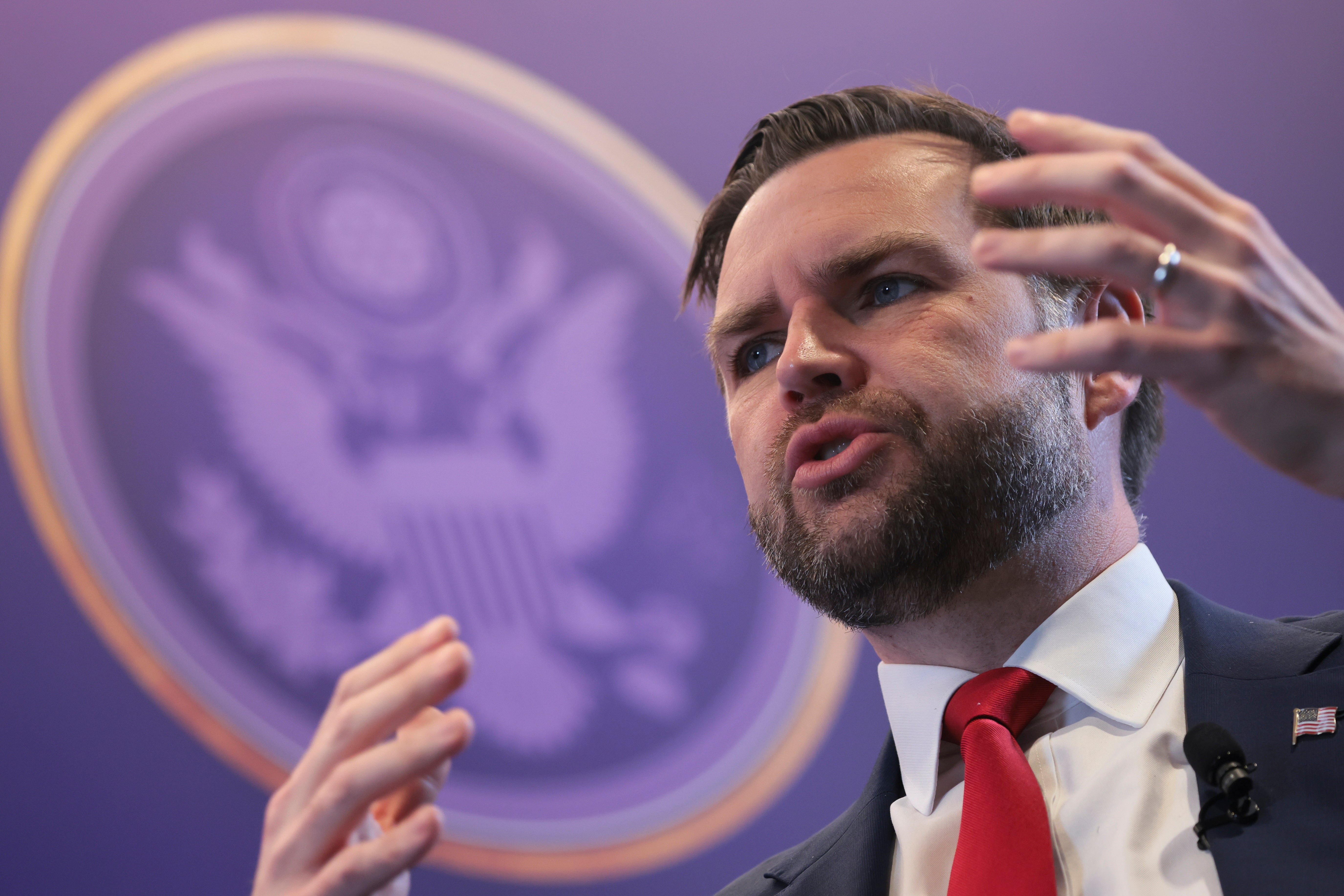
“If you look at the cost of electricity in the United Kingdom, which is way underinvested in their energy resources, UK families are paying four times, five times, six times what United States citizens are paying for electricity,” he said.
“Isn’t it a scandal that middle-class Brits, that people who are working hard and playing by the rules, can’t afford to heat their home, can’t afford to transport themselves to work because their leadership has made energy so expensive.”
He added: “It is not magical that the United States has lower energy costs in the United Kingdom. It’s because we’ve made smart decisions and their leadership is not. They could change course, and we hope that they will.”
Despite a ceasefire, the UK’s average price of diesel surpassed 190p a litre on Wednesday, having surged by more than a third since the start of the Iran war.
Industry leaders have also warned the war will cause inflation to rise in the weeks to come, with the Food and Drink Federation suggesting that grocery inflation is likely to hit 9-10 per cent later this year and wider UK inflation is tipped to go close to 4 per cent in the second half of 2026.
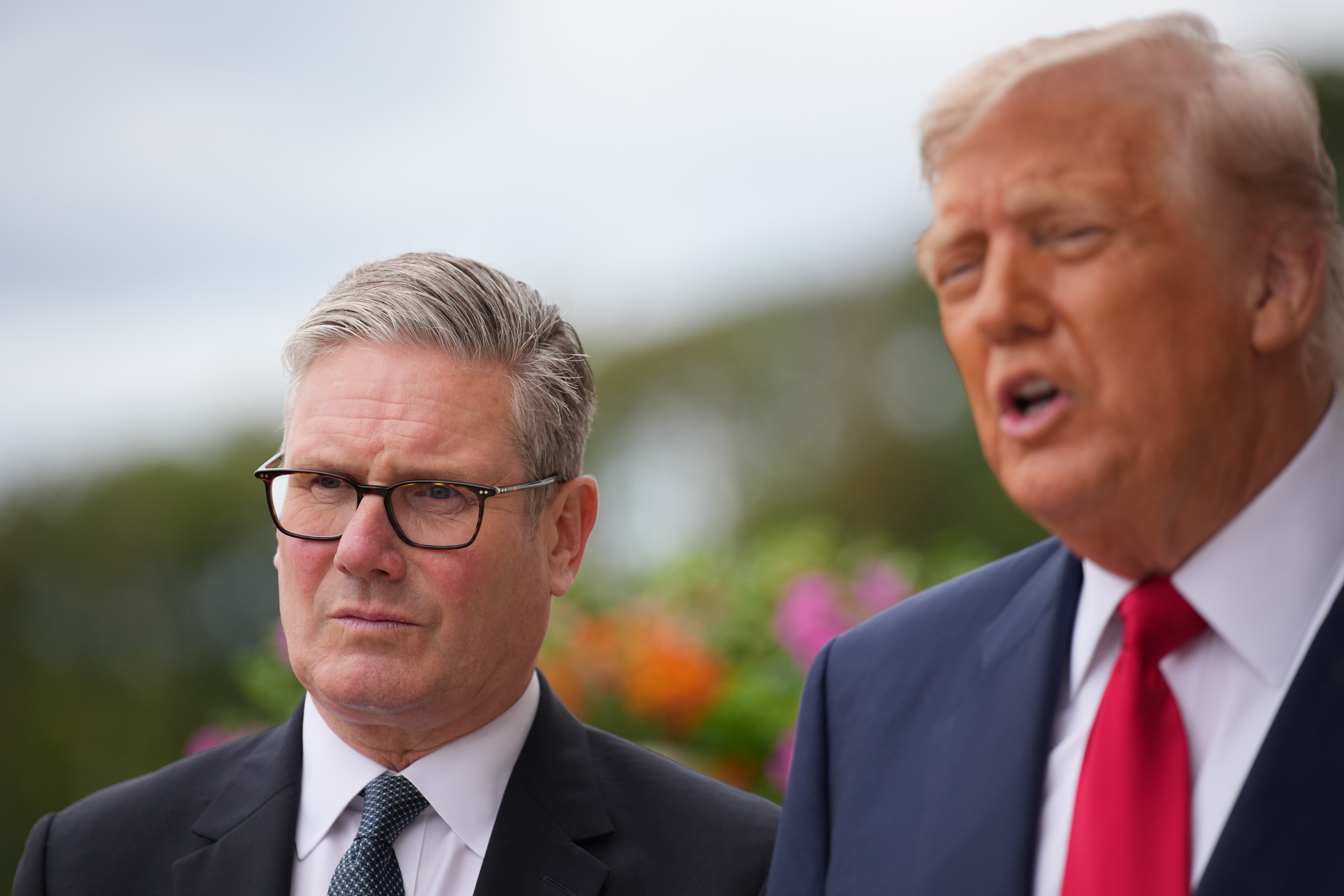
Mr Vance’s comments come after US president Donald Trump repeatedly called for Sir Keir Starmer to expand domestic oil and gas drilling in the North Sea.
Mr Trump accused the government earlier this year of making it “impossible” for oil companies to develop North Sea reserves.
He said: “The United Kingdom produces just one-third of the total energy from all sources that it did in 1999 – think of that, one-third – and they’re sitting on top of the North Sea, one of the greatest reserves anywhere in the world, but they don’t use it, and that’s one reason why their energy has reached catastrophically low levels, with equally high prices.”
The question of whether to allow more drilling for domestic oil and gas in the North Sea has piled pressure on Sir Keir Starmer in recent weeks, with members within his own cabinet appearing to be at odds over the issue.
Last week, the government denied that Ed Miliband is expected to give the green light to the first major North Sea field project in almost 10 years. However, chancellor Rachel Reeves said she would be “very happy” to support exploration at the Rosebank and Jackdaw sites.
Meanwhile, there have also been calls from the Conservatives and Reform UK to increase production of oil and gas in the North Sea.