










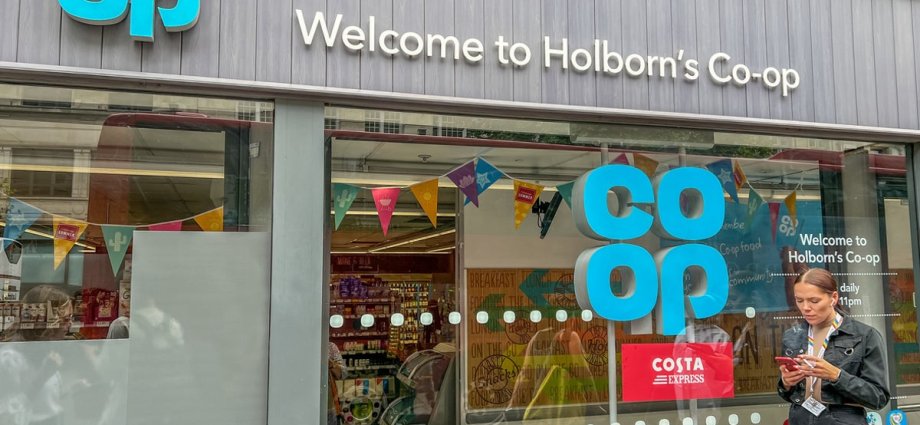
The Co-op Group is planning a significant expansion of its retail and funeral services through a proposed takeover of Southern Co-op.
The deal, if approved by members, would see hundreds of new food and funeral shops, alongside Starbucks branches, added to the retail giant’s portfolio.
The proposals involve integrating Southern Co-op’s 300,000 members into the Co-op Group’s existing seven million-strong membership.
The acquisition would encompass approximately 300 of Southern Co-op’s food, funeral, and Starbucks outlets, as well as its three crematoria.
This move would mark the Co-op Group’s re-entry into the growing crematoria market, complementing its existing funeral services.
While the financial terms of the potential transaction have not been disclosed, Southern Co-op, founded in Portsmouth in 1873, primarily operates across the south of England, including London, under the Co-op Food and Welcome brands.

The societies await member approval to proceed with the merger.
Co-operatives refer to businesses that are owned and controlled by their members, who can have a say in how the business is run.
Southern Co-op members will be given a vote on the proposals, which, if approved by members and regulators, are expected to go ahead in the final quarter of 2026.
The merger would happen through a process called “transfer of engagements”, which allows two societies to come together.
Ben Stimson, Southern Co-op’s chief executive, said the deal would secure the future of the business, which has recently grappled with falling profits and higher costs.
He said: “By coming together, we can secure the co-operative future of Southern Co-op as part of a stronger combined Co-op Group, whilst creating an even stronger voice nationally and internationally to advance the co-operative cause.”
Kate Allum, Co-op Group’s interim chief executive, said: “Joining forces across Co-op Group and Southern Co-op will create new opportunities for members to have access to a greater range of benefits across a wider society, with more trading opportunities, and in turn more benefits for them and their communities.”