










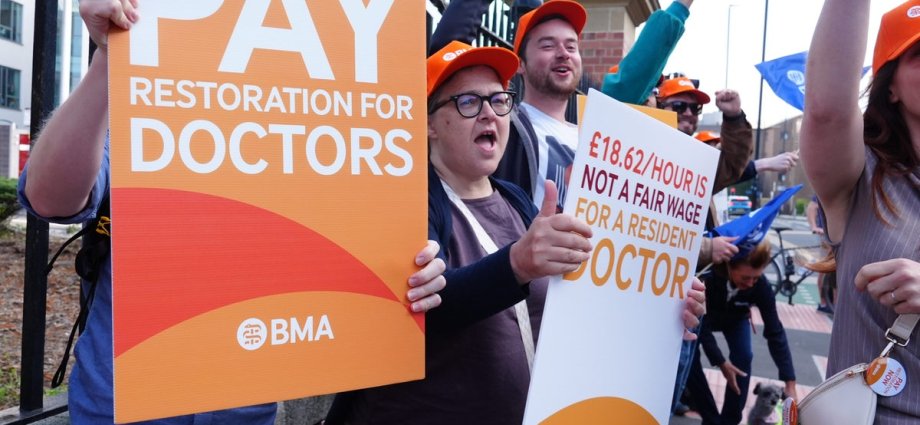
Resident doctors in England have launched near week-long strike action as the NHS row over jobs and pay deepens.
The latest round of industrial action, announced by the British Medical Association (BMA), started just after the Easter bank holiday weekend at 7am on 7 April, and will last until 6.59am on 13 April, the union said.
It marks the 15th strike by resident doctors – formerly called junior doctors – since March 2023, following on from a similar walkout in December. Doctors are calling for pay to be restored to 2008 levels, representing a 26 per cent increase.
The move comes after talks between the government and doctors’ union broke down in March. The government offered the BMA a package of measures last month, including covering out-of-pocket expenses like exam fees, faster pay progression, and extra speciality training posts.
However, the government has maintained that it will not accept the BMA’s position on pay.
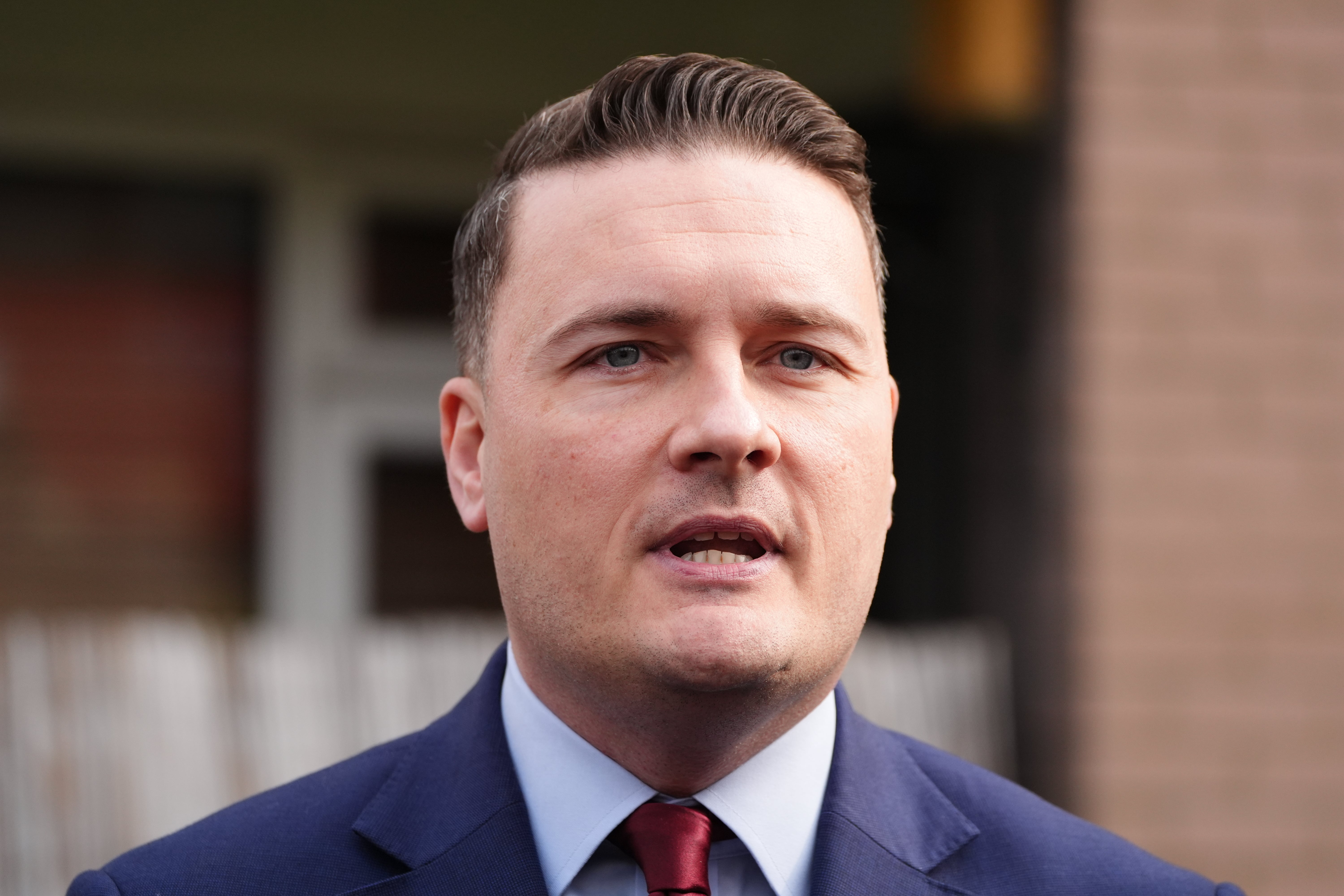
Health secretary Wes Streeting said on Tuesday: “Instead of accepting this offer, the BMA rejected it outright and announced immediate strike action. Not only does this torpedo the pay rises and training posts available to resident doctors, but it also puts at risk the recovery of the NHS.”
BMA Resident Doctors Committee chair Jack Fletcher said last week that ministers “effectively moved the goalposts on the deal at the last minute”.
“Removing potential doctors’ posts at a time when corridor care and GP queues are already putting the NHS under pressure, is clearly bad for patients,” he said.
He later added: “We have consistently maintained that we are willing to postpone industrial action should a genuinely credible offer be provided. This remains the case now, up to, and throughout any period of industrial action.”
Here is everything you need to know about the dispute so far:
Why are resident doctors striking?
Resident doctors, formerly known as junior doctors, are qualified doctors in their first years of training. A fifth are completing their first two foundation years, while the remainder are in core or speciality registrar training.
The agreed salary for those on foundation training is between £38,831 and £44,439, with specialist training salaries rising to £73,992. That includes the 5.4 per cent increase awarded last year, but does not include London weighting.
Resident doctor pay has risen almost 30 per cent in the three years from 2023-2024 to 2025-2026, including 22.3 per cent since Labour came into power. However, the BMA says that doctors need an extra 26 per cent increase over the next few years to restore their pay after inflation, since 2008 has seen it erode in real terms.
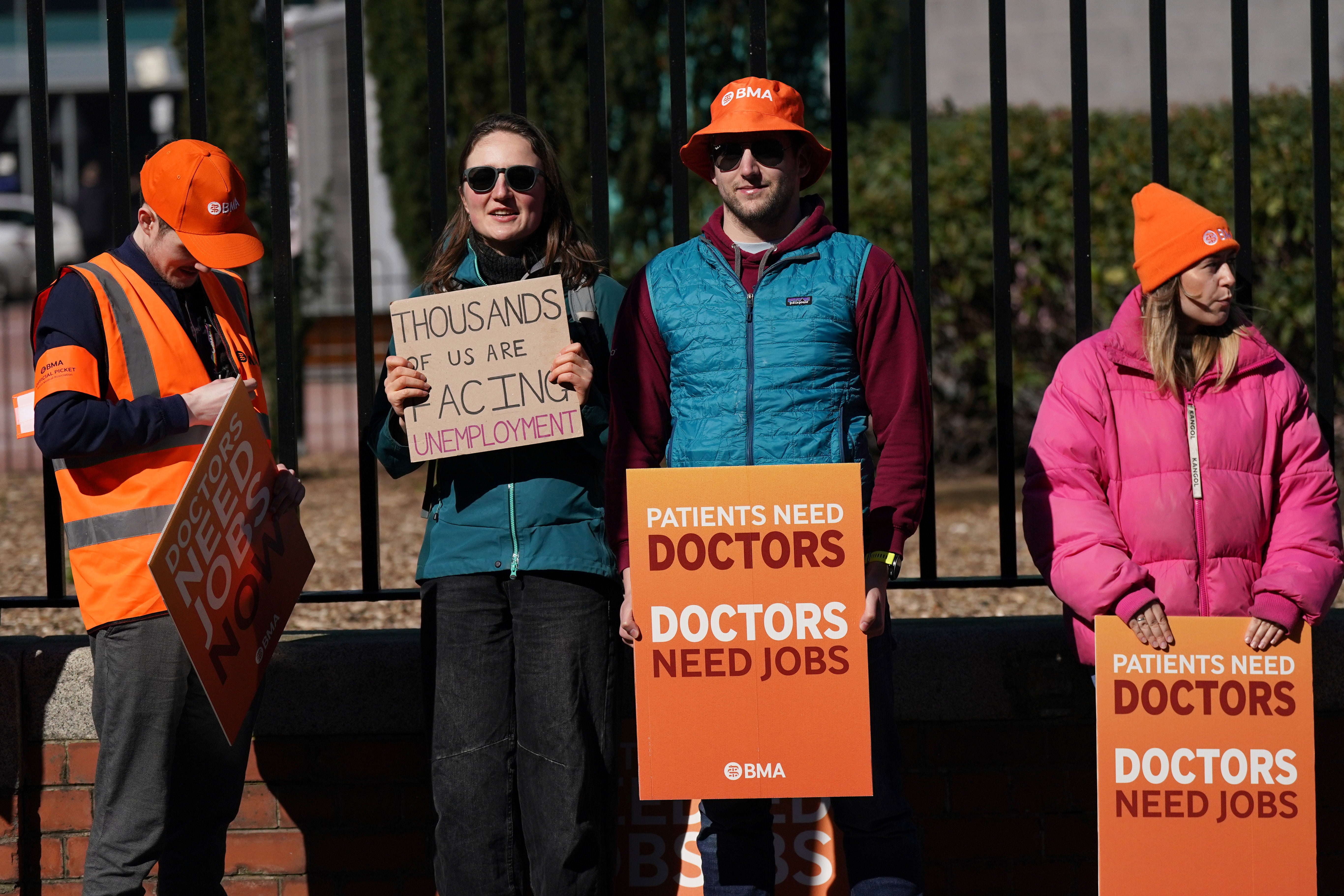
With the current 5.4 per cent uplift, the BMA says doctors won’t see their pay restored for 12 years, or until 2036.
The BMA wants pay boosted to between £47,308 and £54,274 for foundation doctors, and up to a maximum of £90,989 for residents in specialist training at the highest end, over a flexible negotiated period.
There are also calls from resident doctors to decrease competition for speciality training posts, with many struggling to find roles, even if they have already worked in the NHS.
What has the government offered?
The government made the BMA a last-minute offer in December, and another in March.
In a letter to BMA members on 27 March, Mr Streeting laid out the key elements of the offer. These included a reform of the pay structure, to make opportunities for pay rises more frequent, and an average basic pay rise of 4.9 per cent.
This would have made resident doctors on average 35.2 per cent better off than four years ago, the health secretary wrote, and made starting pay for new graduates entering the profession nearly £12,000 higher than in 2022 to 2023.
At the same time, the lowest paid FY1 and FY2 doctors would have seen pay rises of at least 6.2 per cent and 7.1 per cent respectively this year, bringing average earnings over £52,000.
For the most experienced resident doctors, basic pay would have increased to £77,348 and average earnings would have exceeded £100,000.
The government also pledged to make between 4,000 and 4,500 additional specialty training posts over the next 3 years, including 1,000 posts brought forward this year to tackle bottlenecks.
In 2025, there were over 30,000 applicants for 10,000 of these jobs, some of which came from overseas applicants.