






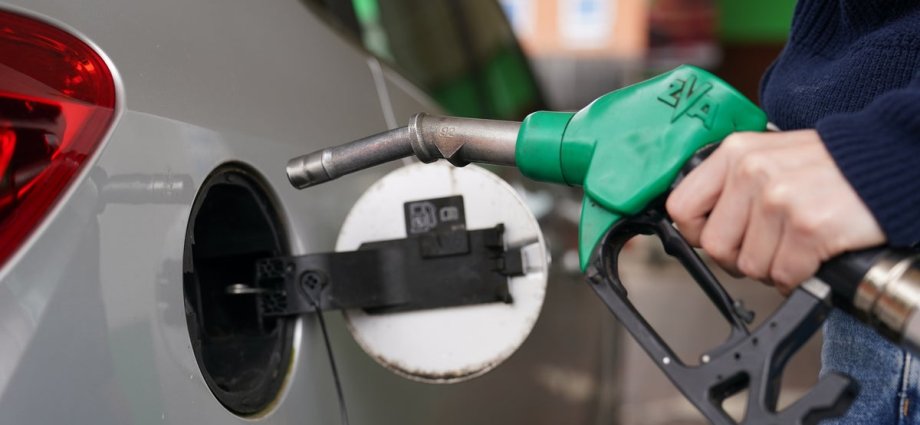
Sir Keir Starmer’s cost of living champion has urged the government to consider “extending” or “enlarging” the 5p fuel duty cut as the Middle East crisis deepens.
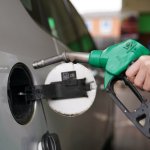
Oil prices, which have a significant effect on the cost of fuel, have soared in response to Iran’s stranglehold on tankers passing through the Strait of Hormuz, pushing up pump prices and piling pressure on the government to abandon a planned increase in fuel duty due in September.
Iceland boss Richard Walker joined mounting calls for ministers to abandon the fuel duty hike.
“I think given where we are, we do need to be thinking and talking about extending it or enlarging it,” Lord Walker told BBC Radio 4’s Today programme.
“Interestingly, the Australian government, I was reading, have recently taken 14p per litre cut to their fuel tax. I mean, this cut is 5p,” he added.
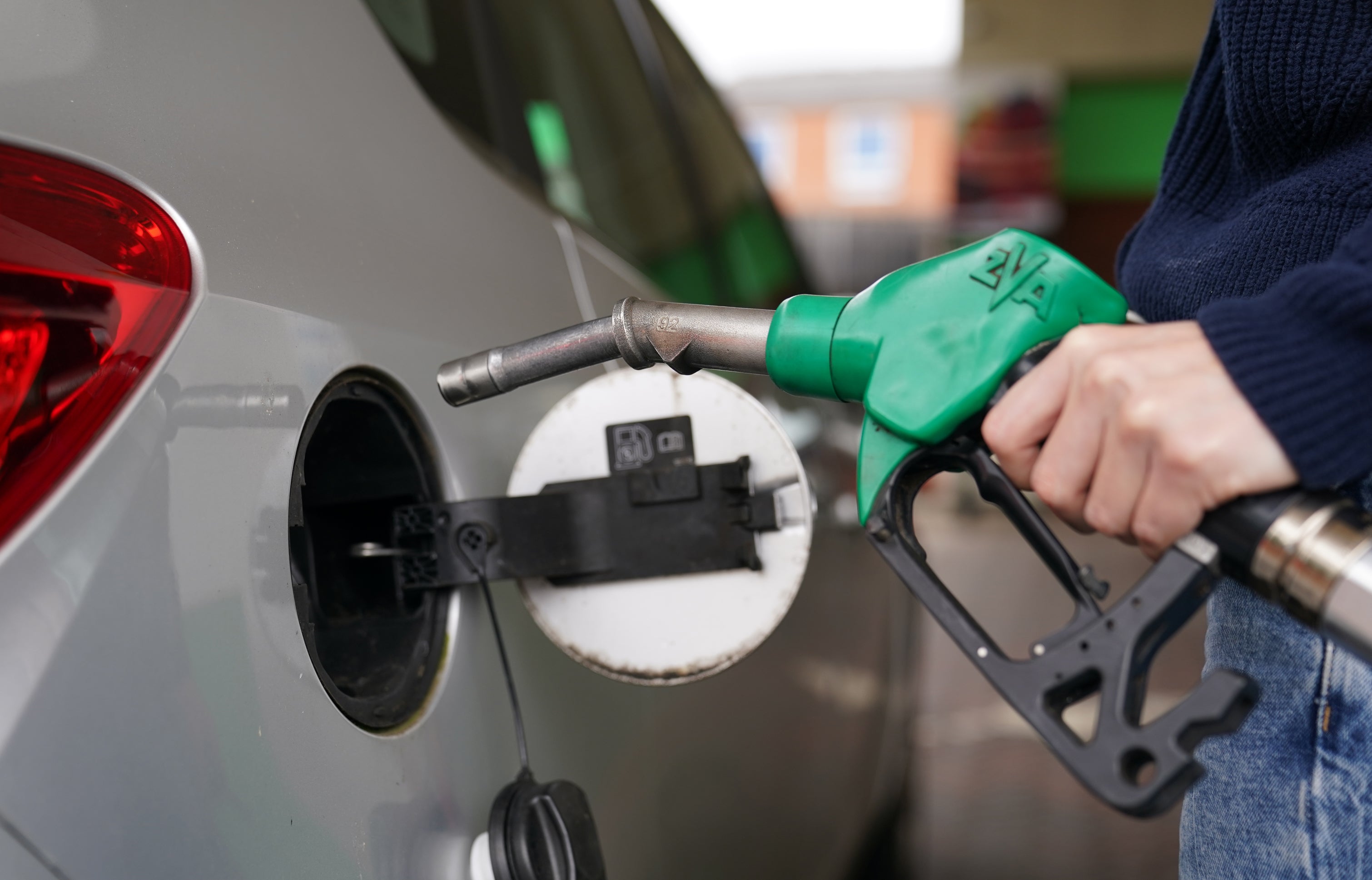
Chancellor Rachel Reeves announced in her November 2025 budget that the 5p-per-litre cut in fuel duty introduced by the Conservative government in March 2022 would only be extended until the end of August, with rates then gradually returning to March 2022 levels over the next five years. However, other countries have already taken action to reduce the impact of price hikes for drivers.
Lord Walker was asked about Tory peer Simon Wolfson’s comment that the Treasury must not end up profiting from the Iran war, and could help businesses and consumers by adjusting duty on fuel to help ease immediate cost pressures.
Chief executive Lord Wolfson said the government would be taking higher tax in fuel duty because of the spiking prices, and could “balance the books” by bringing it down to ensure the tax take remains the same.
Labour peer Lord Walker said: “Lord Wolfson is a great guy and very intelligent, and he might have a point there.”
Liberal Democrat leader Sir Ed Davey has also called for a 10p cut in fuel duty to help motorists deal with the rising cost of petrol and diesel.
“Families are paying more at the pump because of a war they didn’t start and don’t support,” he said.
Taking action on petrol and diesel prices, cutting fuel duty “now, not by 1p, not by 5p, by 10p a litre”, he said, was “especially important today as people set off to join families and friends for the Easter weekend – 21 million trips – the busiest weekend on British roads in years”.
It comes as motoring services company the RAC said the latest average price of a litre of diesel at UK forecourts was 185.2p, up 30 per cent since the war started on 28 February.
Average petrol prices have reached 154.5p per litre, a rise of 16 per cent over the same period.
Prime minister Sir Keir has previously promised to keep a planned rise in fuel duty from September “under review in light of what’s happening in Iran”, and the government has stepped up efforts to help drivers find the cheapest fuel in their area through a price comparison site.
But opposition parties have called for swifter action and have set out their own plans to lower the price of petrol and home energy bills as households face the prospect of energy bill hikes later this year.
The Conservatives have called for VAT on energy bills to be removed for the next three years; Reform UK has pledged to reduce VAT on fuel and scrap green levies on energy bills; and the Liberal Democrats have said a 10p cut in fuel duty should be introduced.
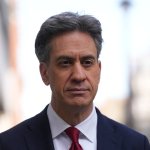
Meanwhile, in the face of growing political pressure to increase North Sea drilling amid concerns over energy security, The Times reported that energy secretary Ed Miliband is expected to approve the Jackdaw gasfield off the coast of Scotland, although he remains opposed to the Rosebank field.