










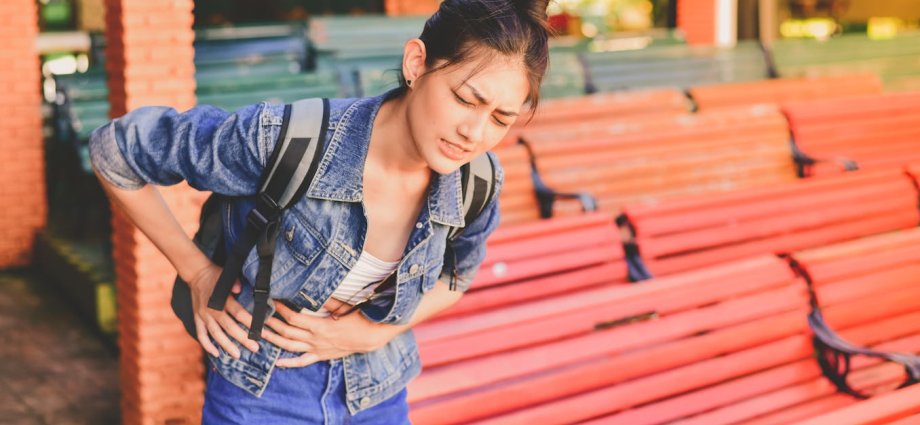
Travelling abroad is something many of us look forward to. It’s a chance to break free from the norm, discover new sights, try new foods and do things we might not normally have a chance to do.
But sometimes, our body has other plans – and our long-awaited holiday is spoiled by changes in our bowel habits. From bloating and discomfort to constipation and diarrhoea, travellers’ tummy is a well-recognised issue. Here’s why it happens – and what you can do to prevent it from ruining your plans.
Our bowels get used to how we normally eat and drink. They don’t really like great changes in that routine. Anything out of the ordinary will have some sort of effect on how they work.
This is why constipation (defined as having fewer than three bowel movements in a week, with straining and hard or dry, lumpy poo) can be a common problem in travellers.
Constipation lasting a few days into the holiday is probably due to dehydration. This is especially the case if you’re on holiday in a hot country, as you’ll be sweating a lot. Drinking more alcohol than you might normally have at home can also make dehydration worse.
Add to this a change in diet – such as irregular eating times and having fewer fruits and vegetables – and our bowels become sluggish and the constipation can get worse.
Finally, we tend to get a lot less exercise while on holiday. As exercise – particularly walking and cycling – helps stimulate bowel movements, that’s another reason why we may suffer from constipation.
Stress and potentially jet lag may also play a role in holiday constipation. Plus, recent research has shown that some people are just more prone to experiencing constipation while travelling.
On the other hand, some people experience episodes of diarrhoea on holiday.
One of the most common culprits behind traveller’s diarrhoea is gastroenteritis (an “upset tummy”), which is caused by eating contaminated or spoiled food.
But changes in diet can also be a common cause. Eating high-fat meals or drinking more alcohol than normal can both lead to episodes of diarrhoea.
Drinking a lot of fruit drinks can cause it too, due to their high fruit sugar (fructose) content. Similarly, strong tea and coffee can also have a similar effect due to the caffeine in them.
Finally, prolonged sun exposure can lead to diarrhoea as the body struggles to regulate internal temperature.
It’s possible to have episodes of both diarrhoea and constipation while on holiday. Most people find they experience diarrhoea first, which can cause dehydration if the lost fluids aren’t replaced by drinking enough, which can go on to cause constipation.
Preventing traveller’s tummy
So what can you do to reduce the likelihood of upset bowels on your holiday?
Jemi Alpian/ Shutterstock
First, think about the area you’re travelling to. In some regions, there’s a higher risk of food and water contamination. Check advice on vaccinations and any specific advice for the places you will be visiting regarding food and water safety.
Other things you can do to look after your bowels on holiday include:
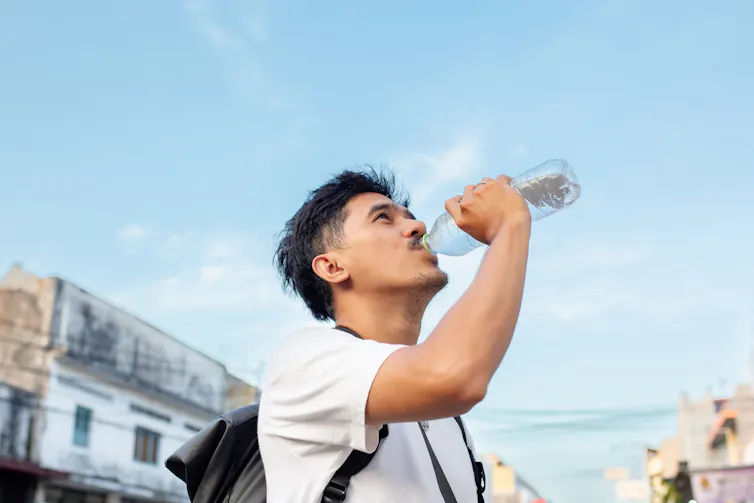
- Keep your fluid intake up – ideally with water or naturally sweetened drinks;
- Eat plenty of fruit and veg – especially ones that are similar to what you normally eat;
- Limit your fruit juice intake to just one drink per day;
- Walk after every meal if you can, to keep your digestive system working;
- Eat regularly and avoid missing meals to keep a routine for your bowels to work with;
- Avoid overly large meals – particularly those containing a lot of fat;
- Try not to consume alcohol in excess.
What to do if you are affected
If you find you still come down with symptoms of constipation or diarrhoea on holiday, there are a number of things you can do.
For constipation, first and foremost, increase your fluid intake and take some fruit juice drink over the day. The water will soften your stool and the juice will encourage more water into your stool.
You should also try to increase the amount of fibre that’s in your diet. This can include snacking on dried fruit or adding flax or chia seeds to food. But make sure you’re drinking enough fluids, as too much fibre without water can have the opposite effect. You could also take an over-the-counter remedy, such as a fibre supplement or a laxative.
Read more:
‘Fibremaxxing’ is trending – here’s why that could be a problem
For diarrhoea, over-the-counter medication (such as loperamide) can be useful to stop the symptoms. Take this as soon as you get symptoms. Diarrhoea can cause dehydration, so to prevent that from happening, make sure you take an oral rehydration solution (such as Dioralyte) and drink plenty of water.
If your diarrhoea is accompanied by a high temperature or bloody or mucusy poos, do not take any over-the-counter medication and seek medical help immediately. This may be a sign of a more serious infection that requires specific medication.
Once you return home, it may take another few days for your bowel habits to return to your normal pattern. If any symptoms persist for more than a few days, it may be worth speaking with your GP.

Kate Grimshaw does not work for, consult, own shares in or receive funding from any company or organisation that would benefit from this article, and has disclosed no relevant affiliations beyond their academic appointment.