









Scientists have discovered over 110 new deep-sea creatures in the Coral Sea, with the number likely to exceed 200.
The creatures were found in the Coral Sea Marine Park at a depth between 2,000m and 3,000m late last year by researchers onboard the vessel Investigator, Australia’s national science agency, CSIRO, said in a statement on Wednesday.
This section of the South Pacific off northeastern Australia comprises nearly a million square kilometres of mostly unexplored, deep-water marine environments, researchers say.
On their voyage, the scientists observed a rich diversity of marine life in stunning new imagery from Investigator‘s deep-towed camera, including footage of the rare sand tiger shark (Odontaspis ferox), a deep-water relative of the well-known grey nurse shark (Carcharias taurus).
“These incredible discoveries add to the ever-growing list of new species that RV Investigator’s voyages have helped to identify and are crucial for protecting the extraordinary biodiversity in Australia’s oceans,” Toni Moate, director of the CSIRO Marine National Facility, said.
DNA samples of a number of the species collected by the research vessel had not been sequenced before.
Sequencing the samples and comparing them with the genetic materials of similar populations will help understand how they are related.
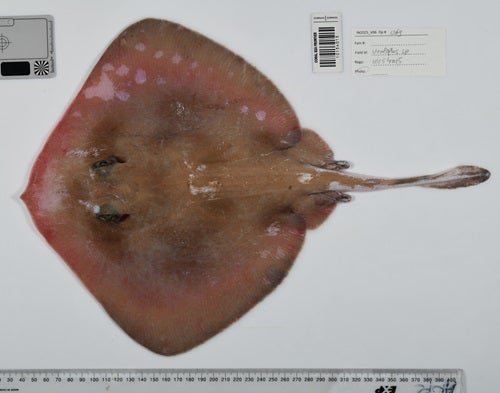
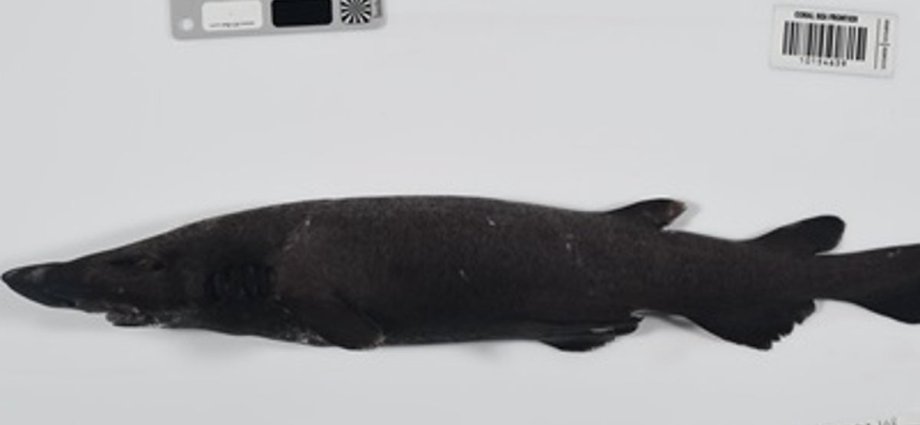
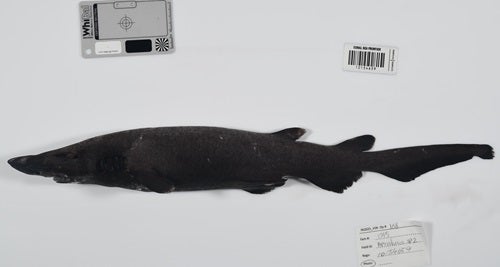
A series of workshops held across Australia in recent weeks helped identify many of the captured creatures, including two rays and one deep-water catshark.
“During what were likely the largest taxonomic workshops of marine animals ever undertaken in Australia, other notable discoveries included species of brittlestars, sea anemones, sponges, and crabs that are new to science,” Will White, CSIRO voyage chief scientist, said.
“These incredible discoveries, made possible by the impressive deep-water survey capabilities of Investigator, reveal the extraordinary life in our oceans and are crucial for protecting Australia’s marine biodiversity.”
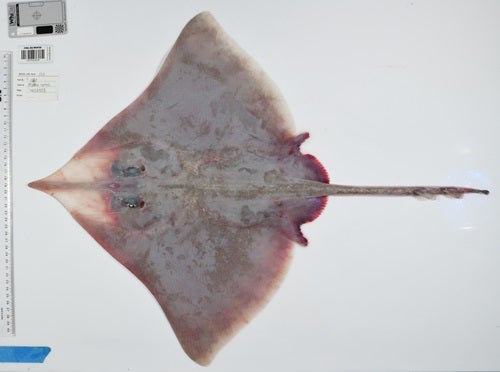
Samples from the voyage are being lodged in collections around the country, including at CSIRO’s Australian National Fish Collection and State museums.
“By securing these specimens in national museum collections, we ensure they can be studied for generations to come, laying the foundation for future species discovery and deepening our understanding of Australia’s marine biodiversity,” CSIRO scientist Candice Untiedt, one of the workshop participants, said.